One of the most powerful patterns in the Bible is the journey from judgment to restoration. Scripture does not hide from the reality of human sin, disobedience, and the consequences that follow. Besides, every warning of judgment is a promise of renewal, a vision of redemption and restoration under the reign of the Messiah. This message is not one of despair but of hope, calling believers to repentance while assuring them of God’s unchanging mercy.
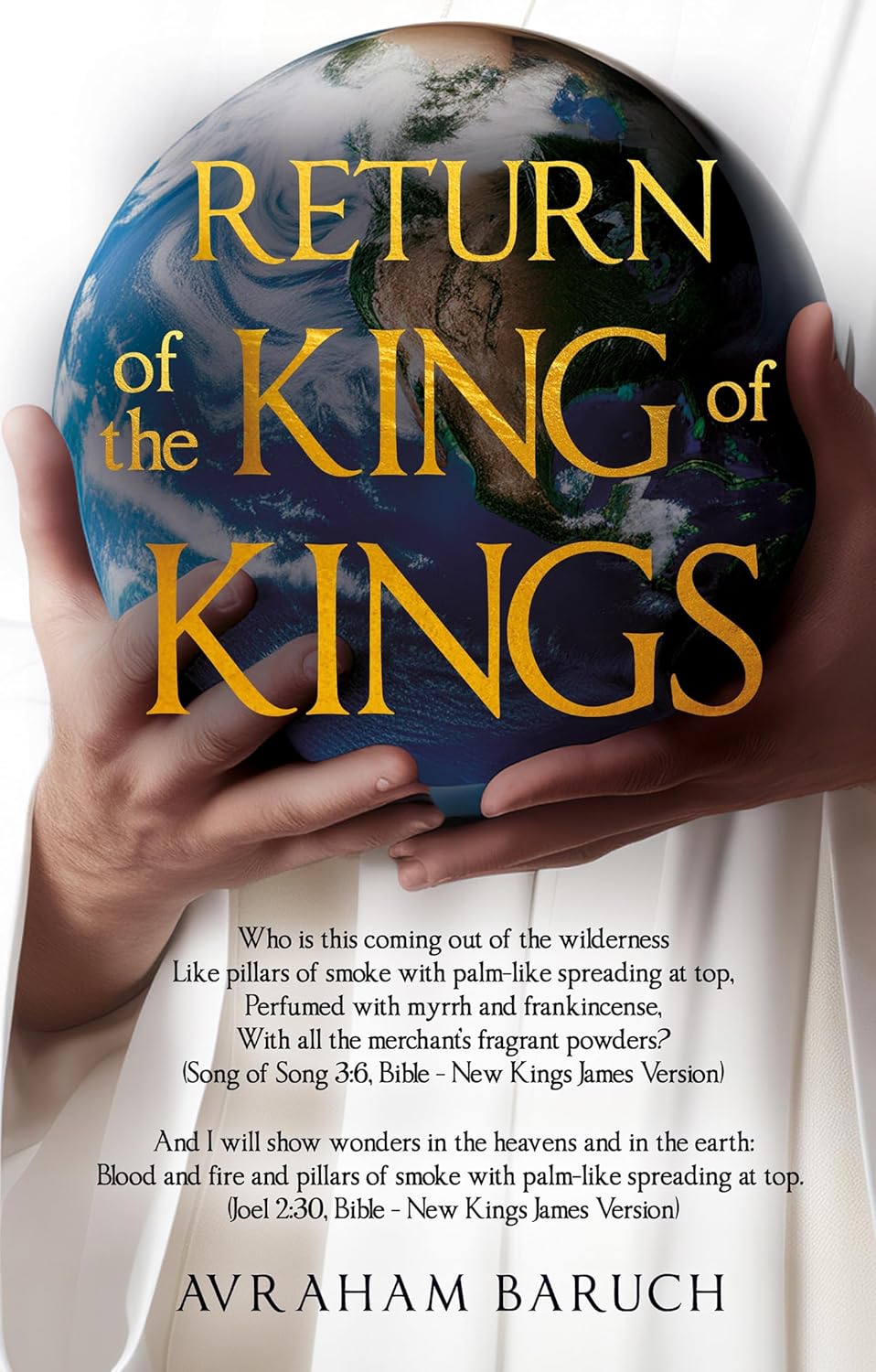
In Return of the King of Kings, Avraham Baruch highlights how prophecy reveals this balance. He describes moments of great suffering when people realise the seriousness of divine judgment. As seen in Corsiona’s experience, widespread destruction and hardship led many to turn back to God, recognising that human arrogance and false beliefs had brought about their downfall. This turning point did not end in ruin. It opened the way for spiritual awakening and renewal. The book reminds us that even in judgment, God’s purpose is restoration.
The prophet Isaiah speaks of this hope clearly: “The wolf shall dwell with the lamb, and the leopard shall lie down with the young goat, and a little child shall lead them” (Isaiah 11:6). This vision of peace is echoed in the book when the people are encouraged to believe in the return of the Messiah, Ishua Hameshea, who will reign with justice and righteousness. The image of creation itself being transformed is a powerful reminder that God’s promise of restoration goes beyond individuals. It reaches into the very fabric of the world.
Real life mirrors this biblical pattern. In times of war, disaster, or personal crisis, people often rediscover faith. When the foundations of life are shaken, many turn to prayer and seek God’s guidance. The book recounts how, after devastating loss, the people began to unite in worship, setting aside divisions and calling on God for salvation. Their experience reflects what Psalm 30:5 declares: “Weeping may stay for the night, but rejoicing comes in the morning.”
The New Testament also carries this message of restoration. Jesus Himself promised that His return would bring renewal and peace: “He will wipe away every tear from their eyes, and death shall be no more” (Revelation 21:4). In Return of the King of Kings, this promise is portrayed vividly when the people welcome the Messiah as the King of Kings, knowing that their suffering will be replaced by joy, their fear by peace.
This pattern, from judgment to hope, from brokenness to renewal, calls every believer to live in readiness. God’s discipline is never meant for destruction but for transformation. As the book shows through characters who prayed, repented, and found strength in faith, God’s promises are restoration that always follows judgment.
The message is clear: God’s judgment is real, but it is not the end. His final word is renewal through Christ’s reign, when peace, justice, and righteousness will cover the earth. For a deeper reflection on this truth, Return of the King of Kings by Avraham Baruch offers a thoughtful exploration of prophecy, judgment, and the ultimate restoration promised in Scripture.
Explore how judgment leads to restoration in Scripture through Return of the King of Kings by Avraham Baruch. Available on Amazon: https://www.amazon.co.uk/dp/B0CYQ78KSD.