Amidst a universe in which the majority of third-year med students are busy preparing for clinical rotations, all-night study sessions, and the ever-growing pressures of exams, Robyn Rowbotham did something that few would even dream of doing. Swapping stethoscopes for sniper bullets, she abandoned the safety and promise of University College London and entered into the unpredictable mayhem of war-torn Ukraine. Her heroic and heart-wrenching journey is brought to life with vivid storytelling by James Myles in Is It Ever Right to Kill?.
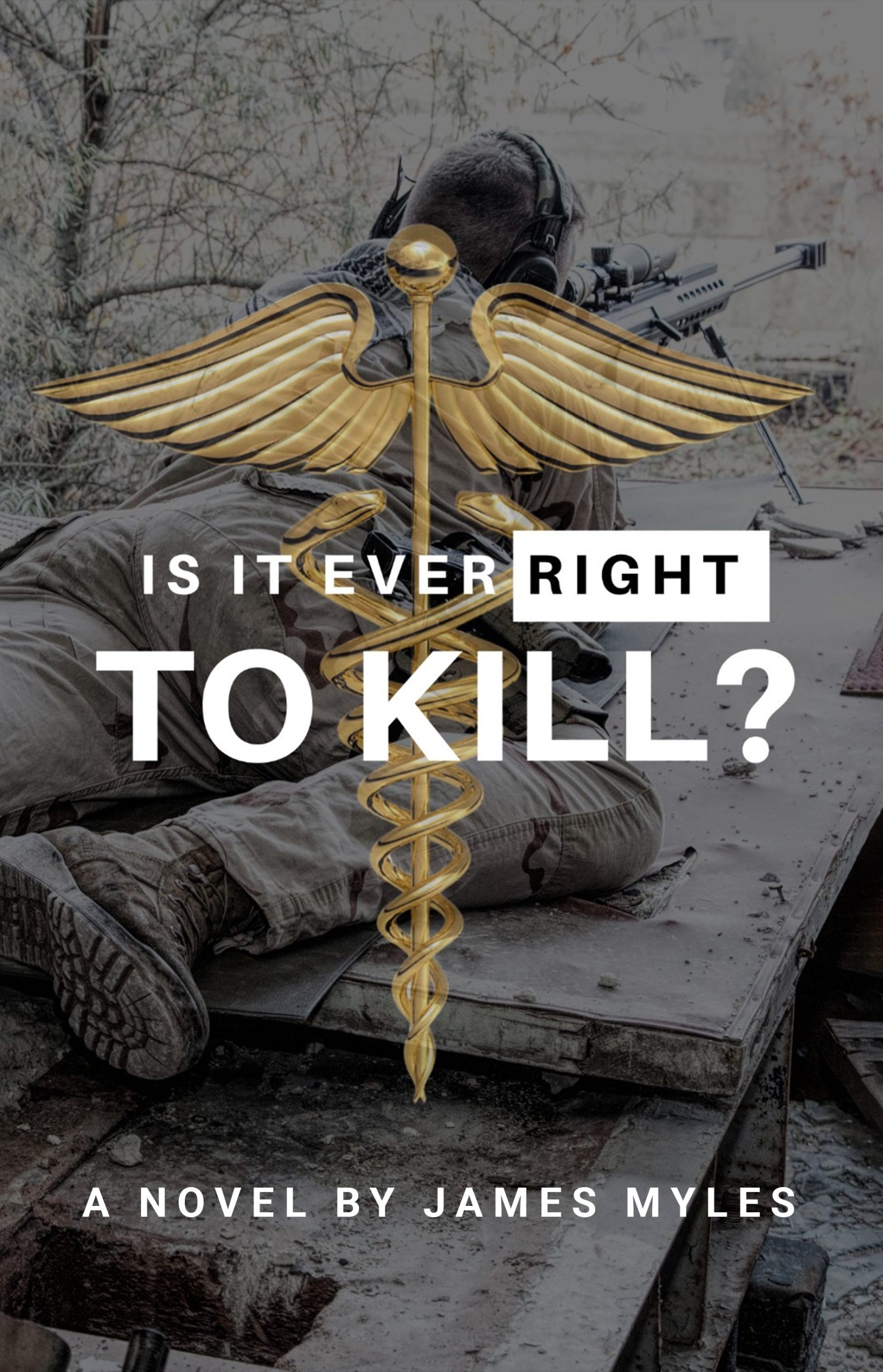
Robyn’s adventure does not start on a battlefield but in the comfort of her boyfriend’s flat, an early morning rain-soaked London. One phone call from her best friend Kat—rammed full of tears, panic, and heartbreak—sets everything in motion. Kat’s parents have gone missing during the Russian invasion of Ukraine. For most, the reaction would be worry, maybe a donation or tweet. But for Robyn, it was doing something.
Spurred by a bond created in the corridors of a boarding school, by late-night discussions and shared hardship, Robyn hears the call of loyalty and responsibility louder than any lecture theater or lab. As others press her to remain—her boyfriend, her teachers, even her parents—Robyn’s heart beats to a different pulse. She volunteers for the International Brigade in Ukraine, not only to assist with locating Kat’s missing parents but to provide her medical skills to the wounded, the traumatized, and the forgotten.
The human cost of her choice unfolds slowly but powerfully. In the camp outside Lviv, she is thrown into a bleak world where rocket fire awakens her, not alarms. Her first meeting with a dying man is one of frustrated tears and blood-stained fingers. There are no quick victories here—only the knockout punch of mortality and the realization that even the noblest intentions can be consumed entirely by war’s brutality.
What makes it ever right to kill? Its presentation of moral complexity through a deeply personal lens is remarkably powerful. James Myles doesn’t idolize Robyn’s choices. He lets us feel her fear, exhaustion, and uncertainty—while also showing her incredible courage. In a time when detachment is just a click away, Robyn’s empathy feels revolutionary.
This is not a war story. It’s a story about the kind of human spirit that surfaces when you are touched by something greater than yourself. Robyn shows us that heroism doesn’t always come with medals and big speeches—it’s often quiet, messy, and born out of love.
And maybe that is the real core of this story: love. For a friend. For justice. For life. Robyn’s story is not one that simply questions what we are prepared to sacrifice for someone else, but rather what world we want to exist in when we reflect on our decisions.
In the trenches of war, through the screams and fire, one young woman discovered her answer.
Get Your Copy On Amazon: www.amazon.com/dp/B0DPT6DPR9