Corporate Britain in the 1980s was a world shaped by ambition, political influence, and rapid economic change. Roger James Newton’s novel Airline Games brings this period to life with clarity and realism, capturing the forces that redefined British business during the Thatcher era. Through its characters and industry setting, the book offers a close look at how companies and leaders struggled to adapt to shifting expectations, new pressures, and a different way of doing business.
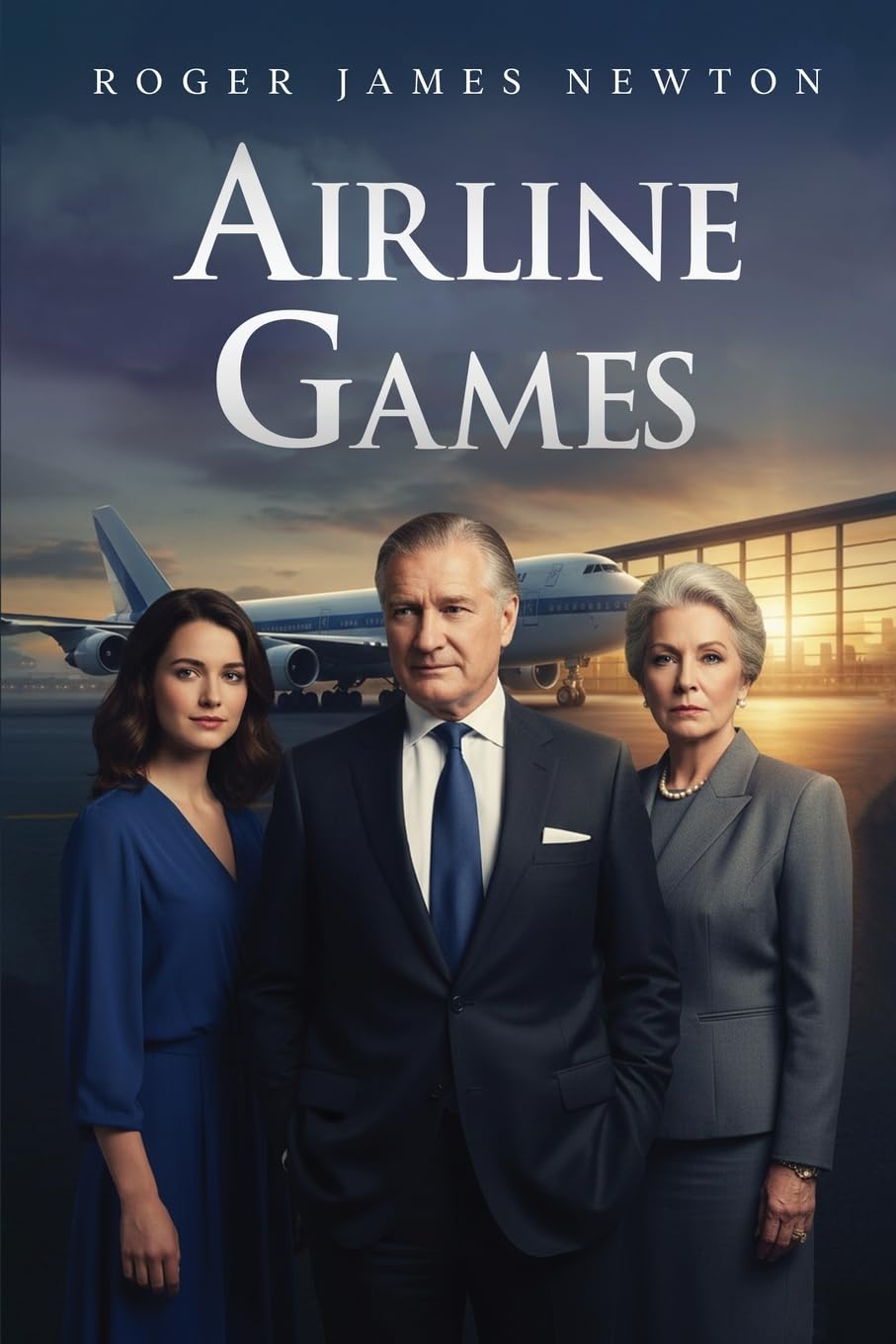
The story follows Sir John Cresswell and the executives around him, offering a window into the culture of boardrooms at a time when the country was moving away from its older industrial identity. Many businesses were still influenced by their engineering roots, where success relied on technical skill and long-term craftsmanship. However, the 1980s introduced a different mindset. Companies began to prioritise financial performance, public image, and rapid growth. This shift from engineering-driven organisations to management-driven corporations sits at the centre of the novel’s corporate storyline.
One of the clearest examples is the way Sir John manages the Midlands and West Group. He comes from a hands-on engineering background, which reflects an earlier generation of British industrial leaders. But he is also trying to navigate the new world of corporate politics, government pressure, and shareholder expectations. His leadership style blends old habits with modern demands, showing the tension many British companies faced at the time. While he values discipline and tradition, he must also respond to tighter competition, more aggressive financial strategies, and the rise of corporate raiders.
The airline industry provides another realistic example of how change affected major sectors. British International Airlines operates under heavy government involvement, which mirrors the real struggles of state-owned corporations in the 1980s. Discussions around privatisation, route control, and political interference reflect the climate of the time. As characters such as Lawrence Marshfield attempt to modernise the airline, readers see the broader national debate about efficiency, public spending, and the future of major industries.
The novel also highlights the personalities who shaped corporate Britain. Many leaders during this era were strong-minded, often traditional, and sometimes reluctant to adapt. Old school executives, like those Sir John removes from the British International board, represent the previous style of leadership. They hold experience and loyalty but lack the commercial focus required in a changing market. Lawrence Marshfield, with his financial background and ability to interpret complex data, exemplifies the emergence of a new type of executive who is prepared to make tough decisions with less sentiment and more strategy.
Throughout its narrative, Airline Games demonstrates that the 1980s were not merely years of economic policy shifts. It was a time when British companies were redefining their identity, leadership, and place in a competitive world. The book captures these changes through personal conflicts, corporate challenges, and the ongoing struggle between tradition and modernisation.
Readers who want to explore this fascinating portrait of corporate Britain and its changing values will find Airline Games by Roger James Newton to be a compelling and insightful read.
Read Airline Games by Roger James Newton, available on Amazon: https://www.amazon.com/dp/1970749296/.
The author of this book also wrote the non-fiction work Fasten Seatbelts, which explores the same period as Airline Games, offering readers a deeper understanding of the events and themes covered.
Fasten Seatbelts: https://www.amazon.com/dp/1969644400/
Airline Games: https://www.amazon.com/dp/1970749288