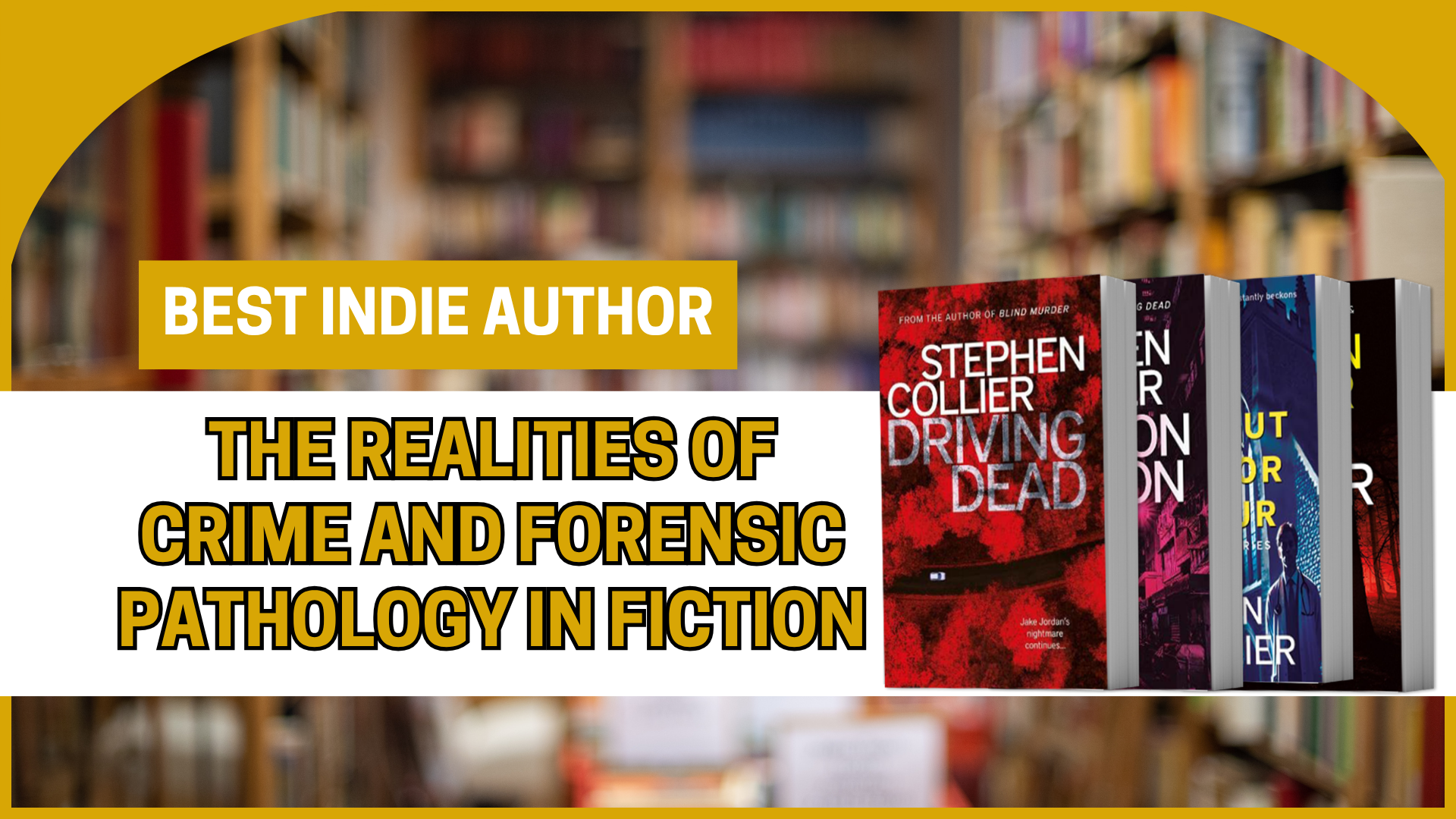
Crime fiction often provides a thrilling glimpse into the world of criminal investigations, but one of the most compelling aspects of the genre is its portrayal of forensic pathology. The role of forensic pathologists in solving crimes is integral to the investigative process, and it adds a layer of authenticity to crime fiction. In Stephen Collier’s novels, particularly Blind Murder and Driving Dead, the integration of forensic pathology plays a crucial role in unraveling the mysteries at the heart of his stories, offering readers a fascinating and realistic portrayal of this vital aspect of criminal investigations.
Forensic pathology involves the examination of bodies to determine the cause of death, often in cases involving foul play. Forensic pathologists are key to solving crimes, providing essential information that can confirm or refute suspicions, and sometimes even offering crucial evidence that leads to the identification of a perpetrator. Collier’s depiction of this field in his novels is both accurate and detailed, reflecting his understanding of the science and its importance in the investigative process.
In Blind Murder, the role of Dr. Kirsty Kingsfield, a forensic pathologist, is central to the investigation. As the case unfolds, her expertise becomes indispensable in determining the victim’s cause of death. Collier’s careful attention to detail, based on his own experience working in law enforcement, brings authenticity to the process. Forensic pathology isn’t just a tool to advance the plot—it’s an essential part of the story. Collier doesn’t shy away from explaining the technical aspects of Dr. Kingsfield’s work, but he does so in a way that remains accessible to readers, balancing complexity with readability.
The inclusion of forensic pathology in crime fiction is not just about adding technical detail; it’s about showing how this field can impact the emotional and psychological dynamics of a case. In Driving Dead, Dr. Kingsfield’s work extends beyond the usual post-mortem examinations. The investigation involves the discovery of a new drug affecting drivers, and her knowledge of forensics becomes vital in understanding how the drug impacts the body. This opens up a whole new realm of forensic pathology, blending traditional investigative work with cutting-edge scientific techniques. Collier skillfully weaves these elements into the story, demonstrating the ever-evolving nature of forensic science and how it continually reshapes the way crimes are solved.
Forensic pathology also adds a layer of complexity to the characters in crime fiction. Dr. Kingsfield, as a forensic pathologist, is not just a professional who examines bodies. She is a character who must cope with the emotional burden of her work, dealing with the disturbing nature of the crimes she investigates. Collier explores her personal struggles, particularly in the face of the grisly work she performs, adding depth to her character. She is not just a scientific expert; she is a human being who must confront the ethical and emotional challenges that come with examining death on a daily basis.
Through Dr. Kingsfield, Collier highlights the often-overlooked psychological toll that forensic professionals experience. Their work requires them to deal with the aftermath of violent crimes, and it can have a lasting impact on their mental health. This nuanced portrayal of forensic pathology in Blind Murder and Driving Dead goes beyond the typical crime procedural, showing the human side of this profession and the emotional cost of examining death.
In addition to the technical and emotional aspects, forensic pathology in crime fiction serves to enhance the suspense and drama. The examination of evidence—whether through autopsies, toxicology reports, or the identification of subtle clues adds layers of complexity to the investigation. It is through these forensic revelations that the truth about the crime is slowly pieced together, often leading to unexpected twists that keep readers on the edge of their seats. Collier’s incorporation of forensic pathology ensures that the investigations in his books are not only thrilling but grounded in realism, making the resolutions all the more satisfying.
Overall, the role of forensic pathology in crime fiction is more than just a plot device. It is an essential element that adds realism, depth, and emotional resonance to the narrative. Stephen Collier’s integration of forensic science into his novels reflects a deep understanding of the field and its significance in solving crimes. By blending accurate forensic procedures with character-driven storytelling, Collier provides readers with a fascinating and authentic exploration of the realities of crime and the role of those who work to uncover the truth behind it.
Read this book now on Amazon: https://www.amazon.co.uk/dp/173944423X/