From the outside, toxic relationships often look simple to solve. The advice is quick and direct. Just leave. Walk away. Start again. Yet for the person inside that relationship, the reality is far more complex. Leaving is rarely a single decision. It is a process shaped by emotion, history, fear, and deeply rooted patterns that are not easy to break.
One of the strongest reasons people stay is emotional attachment. Toxic relationships are not built entirely on pain. They often include moments of care, attention, or temporary calm that create confusion. These moments can feel like proof that things can improve, that the relationship is worth saving. The mind holds on to these fragments, making it difficult to accept the full picture.
There is also the slow nature of toxicity. It does not always begin in obvious ways. It creeps up over time through small behaviors, subtle comments, and repeated patterns. Because the change is slow, it becomes normalized. What would once have felt unacceptable starts to feel familiar. This normalization makes it harder to recognize when the situation has become harmful.
Another powerful factor is self-doubt. When someone is constantly criticized, dismissed, or made to feel little, their confidence begins to erode. They may start to question their own perceptions and reactions. This uncertainty creates hesitation. If you are not sure whether your feelings are valid, making a decisive move becomes much harder.
Financial and practical dependencies also play a crucial role. Shared living arrangements, children, or reliance on a partner’s income can create barriers that are not easily overcome. Leaving is not just an emotional decision. It involves logistics, stability, and often the fear of starting over without a clear safety net.
Fear itself cannot be overlooked. This fear is not always physical. It can be emotional or psychological. Fear of being alone, fear of judgment, or fear of making the wrong decision can keep someone in place. The unknown can feel more dangerous than the discomfort that has become familiar.
Social perception adds another layer. Relationships often exist within a wider network of family, friends, and community. From the outside, things may appear normal or even positive. This creates pressure to maintain that image. Admitting that the relationship is harmful can feel like admitting failure, which discourages honest reflection.
Over time, these factors combine, creating a situation where leaving feels overwhelming. It is not about a lack of strength or awareness. It is about the weight of everything that has built up around the relationship. Each layer adds another reason to stay, even when the situation is clearly damaging.
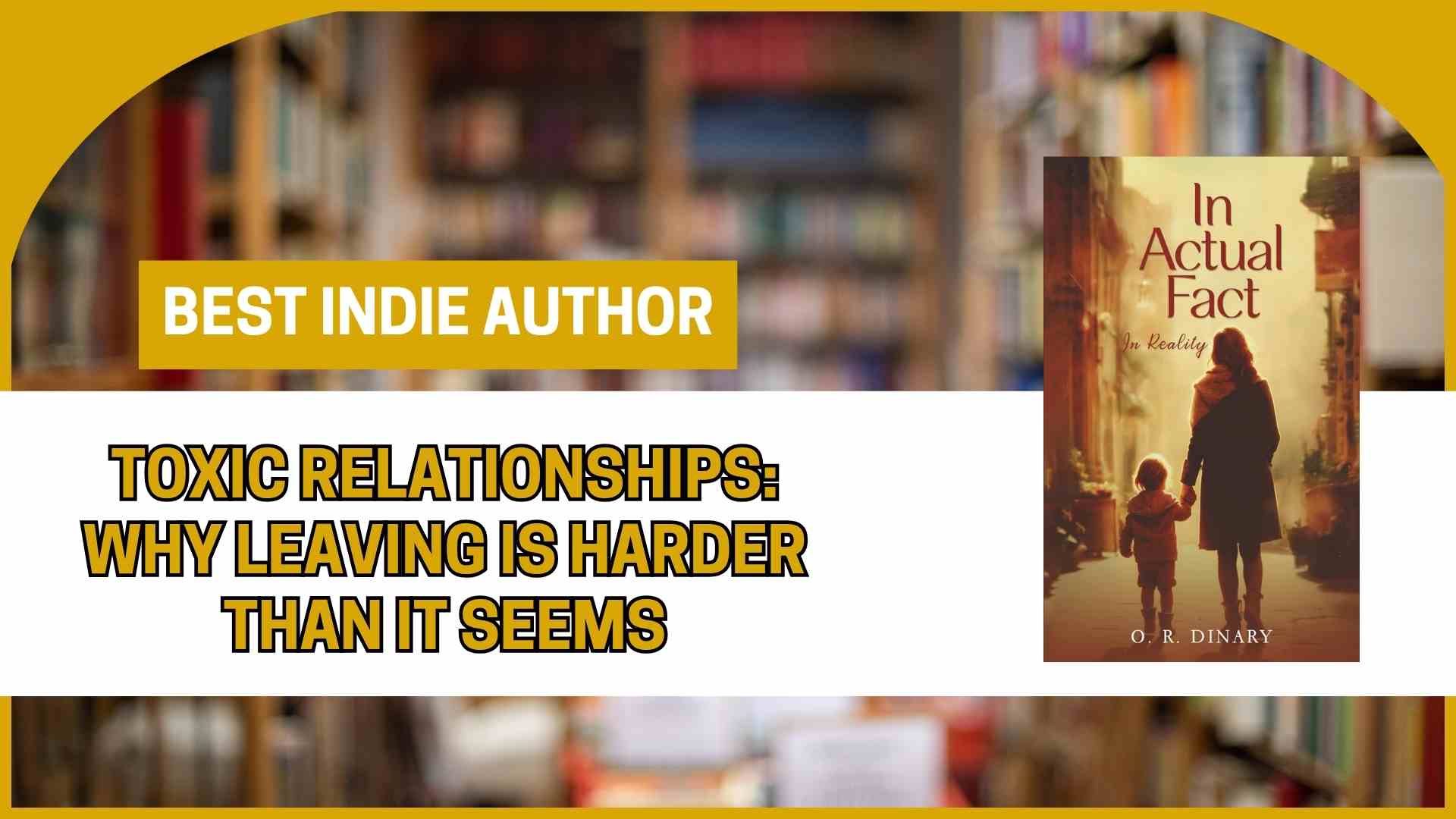
The reality of such relationships is explored with striking honesty in In Reality by O. R. Dinary. The narrative reveals how emotional patterns develop over time and how difficult it can be to step away from them. It captures the internal conflict, the moments of clarity, and the repeated cycles that keep someone tied to a situation that no longer serves them.
Understanding why leaving is difficult is an important step toward change. It shifts the perspective from judgment to awareness. Instead of asking why someone stays, it becomes more meaningful to understand what is holding them there.
Breaking free from a toxic relationship is rarely immediate. It begins with recognizing patterns, rebuilding confidence, and gradually creating space for a different kind of life. It requires support, patience, and a willingness to face uncertainty.
Leaving is not just about walking away from someone else. It is about reconnecting with yourself. It is about reclaiming clarity, self-worth, and the ability to make decisions without fear. That process takes time, but it is possible.
Available Now On Amazon: https://www.amazon.com/dp/1971610690/