Navigating body image and self-esteem after breast cancer is a deeply personal and often difficult journey. For many, the physical changes brought about by the disease and its treatments can feel overwhelming, and the emotional impact can be just as profound as the physical toll. As one of the most common types of cancer, breast cancer affects millions of women worldwide. While the fight against the disease is crucial, the emotional and psychological aftermath often requires just as much attention.
Breast cancer treatment, particularly mastectomies, radiation, and chemotherapy, can cause significant changes in a woman’s body. For many, these changes may alter how they perceive themselves. Losing a breast, undergoing breast reconstruction, or dealing with scars can make women feel disconnected from their sense of femininity, beauty, and identity. These physical transformations are a constant reminder of the disease, and as a result, many women struggle with feelings of inadequacy or loss of self-worth. This battle with body image is not just about appearance; it’s also about reclaiming one’s sense of self after a life-altering event.
For those who have undergone mastectomy or lumpectomy, the loss of a breast can affect not only a woman’s physical appearance but also her emotional connection to her body. Breasts are often tied to femininity, sexuality, and self-esteem, and the removal or alteration of them can lead to feelings of incompleteness or unrecognizability. The fear of being judged, or of losing attraction from partners, can add to the weight of these emotional struggles.
Breast reconstruction surgery offers many women the chance to regain a sense of physical wholeness. However, the decision to undergo reconstruction is complex and often comes with its own set of challenges. Some women may choose to undergo reconstruction to restore their pre-cancer appearance, while others may opt for a prosthesis or decide against surgery altogether. Each decision is deeply personal, shaped by how the individual feels about her body, the treatment process, and her future. There is no right or wrong choice, but rather a need for women to reclaim agency over their bodies and futures.
Throughout the recovery process, many women find that their body image issues are intertwined with emotional healing. The physical scars, often seen as symbols of their survival, can also be a reminder of the battle they’ve fought. Some survivors may embrace their scars as badges of courage, while others may find them painful reminders of what they’ve lost. The journey toward accepting these changes is complex and ongoing, and it often involves confronting deeply held beliefs about beauty, worth, and identity.
The emotional toll of breast cancer can also affect relationships. Women may feel insecure or vulnerable in the presence of their partners, friends, and family. The changes in their appearance can cause them to withdraw or feel less confident in social situations. Some women find solace in support groups or therapy, where they can share their experiences with others who truly understand the emotional and physical challenges of cancer recovery.
The power of self-esteem and body image transformation in breast cancer recovery cannot be overstated. It is not about regaining a pre-cancer appearance but learning to accept and love the body you have now. This journey is marked by moments of self-doubt, but it is also one of resilience and strength. Survivors gradually come to terms with their new bodies and realize that their worth is not defined by their appearance but by their strength, courage, and ability to heal.
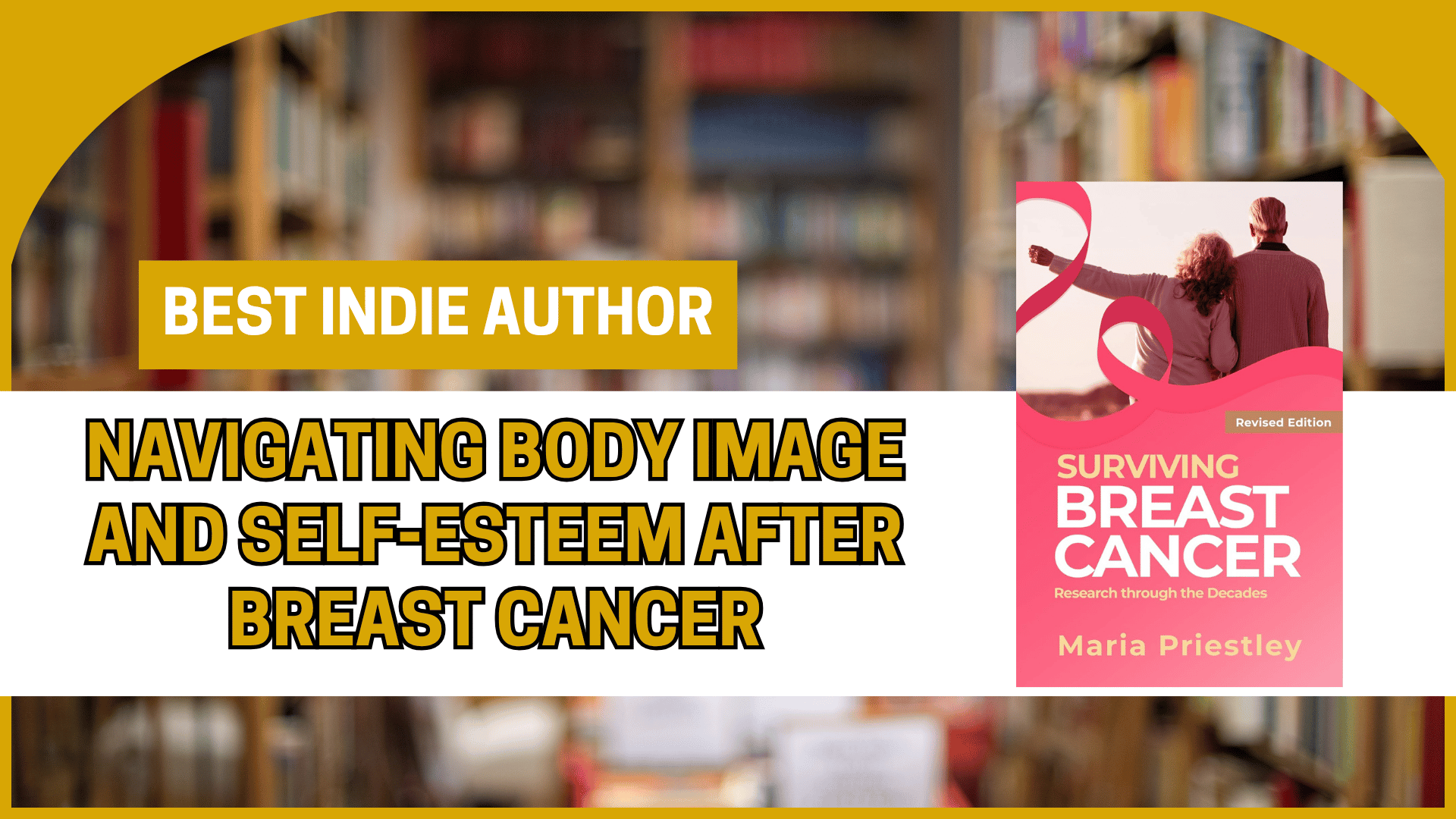
For those looking to understand the complexities of body image after breast cancer, Surviving Breast Cancer: Research through the Decades by Maria Priestley offers a heartfelt and insightful look into the emotional journey of survivors. Through personal stories, research, and expert insights, this book explores not only the physical aspects of breast cancer but also the psychological healing that many women experience. It serves as a powerful reminder that the journey to recovery is not only about surviving the disease but also about thriving emotionally and learning to love and accept yourself at every stage of the healing process.
Book available on Amazon: https://www.amazon.com/dp/B0GHGBLD54.