Fear does not always begin with danger in the present. Sometimes it begins years earlier, in a room where a child learned to stay quiet, to watch every face, to measure every sound, and to survive by becoming small. Childhood trauma can leave marks that are not visible to the world, yet those marks often shape how a person breathes, trusts, loves, remembers, and reacts long after the threat has passed.
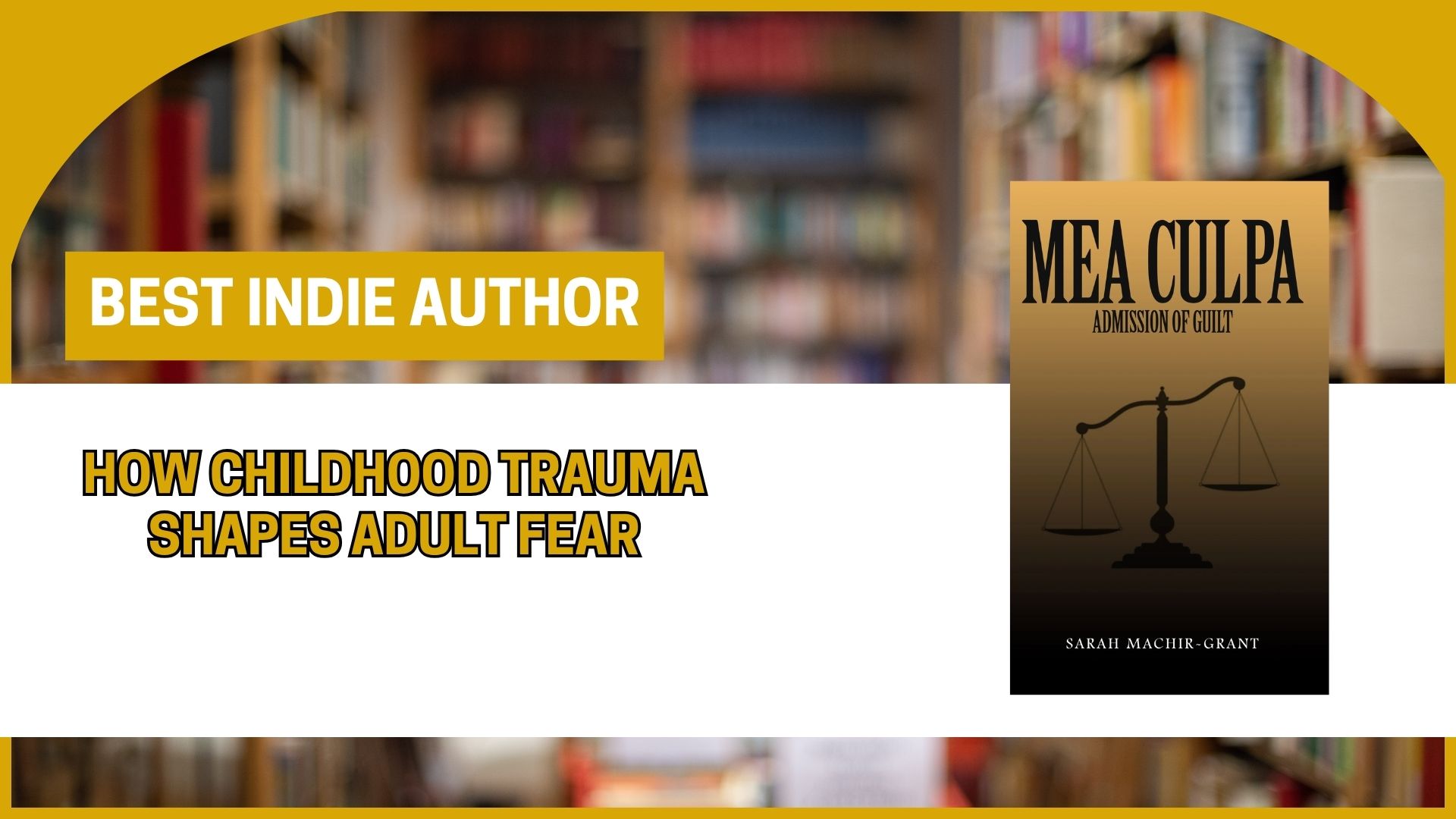
In Mea Culpa, Sarah Machir Grant explores this painful truth through a deeply personal and powerful creative nonfiction narrative. The book follows the lasting effects of fear, family control, emotional neglect, shame, and buried memory. It shows how a person can build an ordinary adult life on the outside while still carrying the frightened child within.
For many survivors, fear becomes more than a reaction. It becomes a habit of the body. A sudden noise, a raised voice, a locked room, a look of anger, or even a simple demand can pull the mind back into old terror. The adult may know that the present moment is different, but the body remembers what the child endured. This is one of the strongest themes in Mea Culpa: the past does not remain neatly behind us. It waits beneath the surface, ready to rise when something familiar touches it.
The book also reveals how childhood trauma can distort self worth. When a child is blamed, shamed, dismissed, or made responsible for an adult’s pain, that child may grow into an adult who feels guilty for existing. Fear then becomes tied to love, obedience, silence, and survival. The person may struggle to speak, to ask for help, or to believe that their own pain matters.
What makes Mea Culpa especially moving is its honesty about memory. The narrator does not present trauma as a simple event with a clear beginning and ending. Instead, the book shows memory as fragmented, sharp, confusing, and persistent. The reader is drawn into the inner world of someone trying to understand how fear was formed and why it remained.
This is not only a story about suffering. It is also a story about naming what happened. There is strength in the act of looking back and refusing to let silence have the final word. Through its raw emotional depth and reflective voice, Mea Culpa invites readers to consider how family histories shape us, how fear can follow us, and how truth can become the first step toward freedom.
For readers drawn to stories of survival, memory, family trauma, and emotional recovery, Mea Culpa offers a haunting and honest journey into the long shadow of childhood pain.
Discover the story that refuses to stay quiet. Get your copy of MEA CULPA today. https://www.amazon.com/dp/197100216X/