For generations, opera has carried a reputation for being formal, complicated, and reserved for older audiences. Many people imagine grand theatres, unfamiliar languages, and stories that seem distant from everyday life. However, children’s opera reveals a different side of this remarkable art form. Through creativity, humor, and engaging storytelling, opera can become an exciting experience that inspires young audiences from an early age.
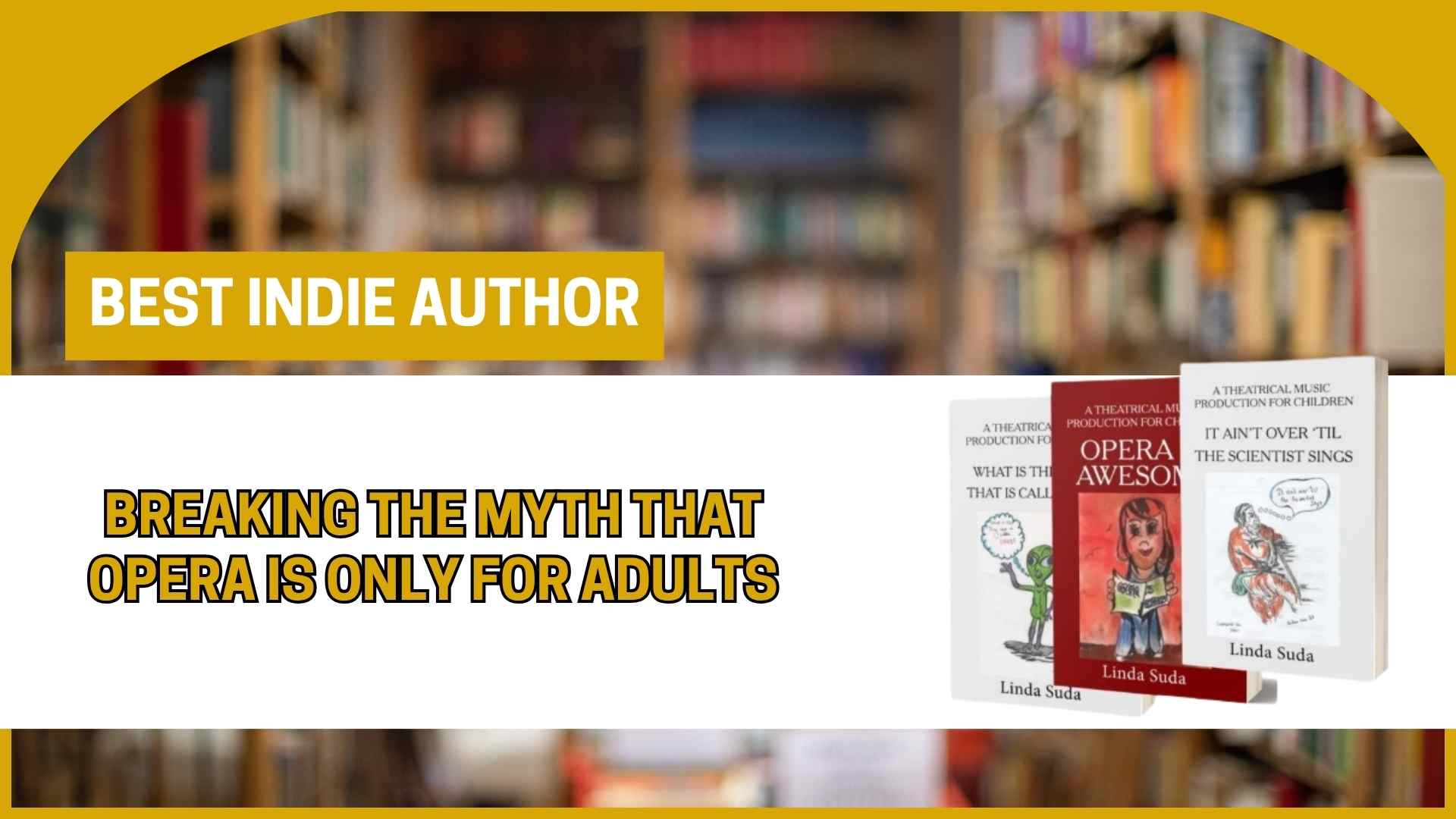
Linda Suda’s children’s operas challenge the idea that opera is too difficult for children. Her productions introduce students to classical music through stories, characters, and performances designed to capture their curiosity. Rather than expecting children to already understand opera, these works invite them into the experience and allow them to discover the joy of music and theatre naturally.
In What Is This Thing That Is Called Love?, children encounter opera through a playful exploration of emotions and relationships. The production uses imaginative characters and familiar ideas to show that opera is not just about impressive singing. It is about friendship, compassion, adventure, connection, and the many ways people experience love.
Opera Is Awesome takes another approach by showing children how opera works from the inside out. Through entertaining characters representing parts of the vocal system, students learn about singing while enjoying a theatrical performance. The production turns concepts about the human voice into something lively and memorable, proving that education and entertainment can exist together.
Children are naturally drawn to stories, movement, and imagination, which are all essential elements of opera. When young audiences see characters express feelings through music and performance, they begin to understand that opera is a form of storytelling. The emotions behind the music become just as important as the notes themselves.
Introducing opera to children also helps build confidence and creativity. Students who participate in performances learn the importance of preparation, teamwork, and self expression. They discover that their voices and ideas matter, whether they are performing on stage or simply appreciating the work of others.
Linda Suda’s productions demonstrate that opera does not need to feel distant or intimidating. By adapting classical music into accessible experiences for young audiences, she creates opportunities for children to connect with an art form that has inspired generations.
The earlier children experience opera, the more likely they are to see it as something enjoyable and meaningful rather than unfamiliar. Opera can spark curiosity, encourage creativity, and open the door to a lifelong appreciation of music and the arts.
Breaking the myth that opera is only for adults allows a new generation to discover its magic. With the right introduction, children can find that opera is not a world closed to them. It is a world waiting to be explored.