What happens to a child’s sense of identity when everything familiar suddenly changes? The language spoken at school, the food served at lunch, the holidays celebrated, and even the weather outside can feel entirely different. For immigrant children, adjusting to a new country is not simply about learning new customs. It is also about finding ways to preserve the traditions and memories that connect them to home.
Family traditions can provide comfort during this transition, helping children embrace unfamiliar experiences without losing their cultural identity.
The Emotional Connection to Cultural Roots
In 1961, eight-year-old Luli left Marianao, Cuba, with her mother and younger brother, Mayi, to reunite with her father in the United States. Their arrival in Hinsdale, Illinois, marked an exciting new beginning, but it also meant leaving behind familiar surroundings and cherished family relationships.
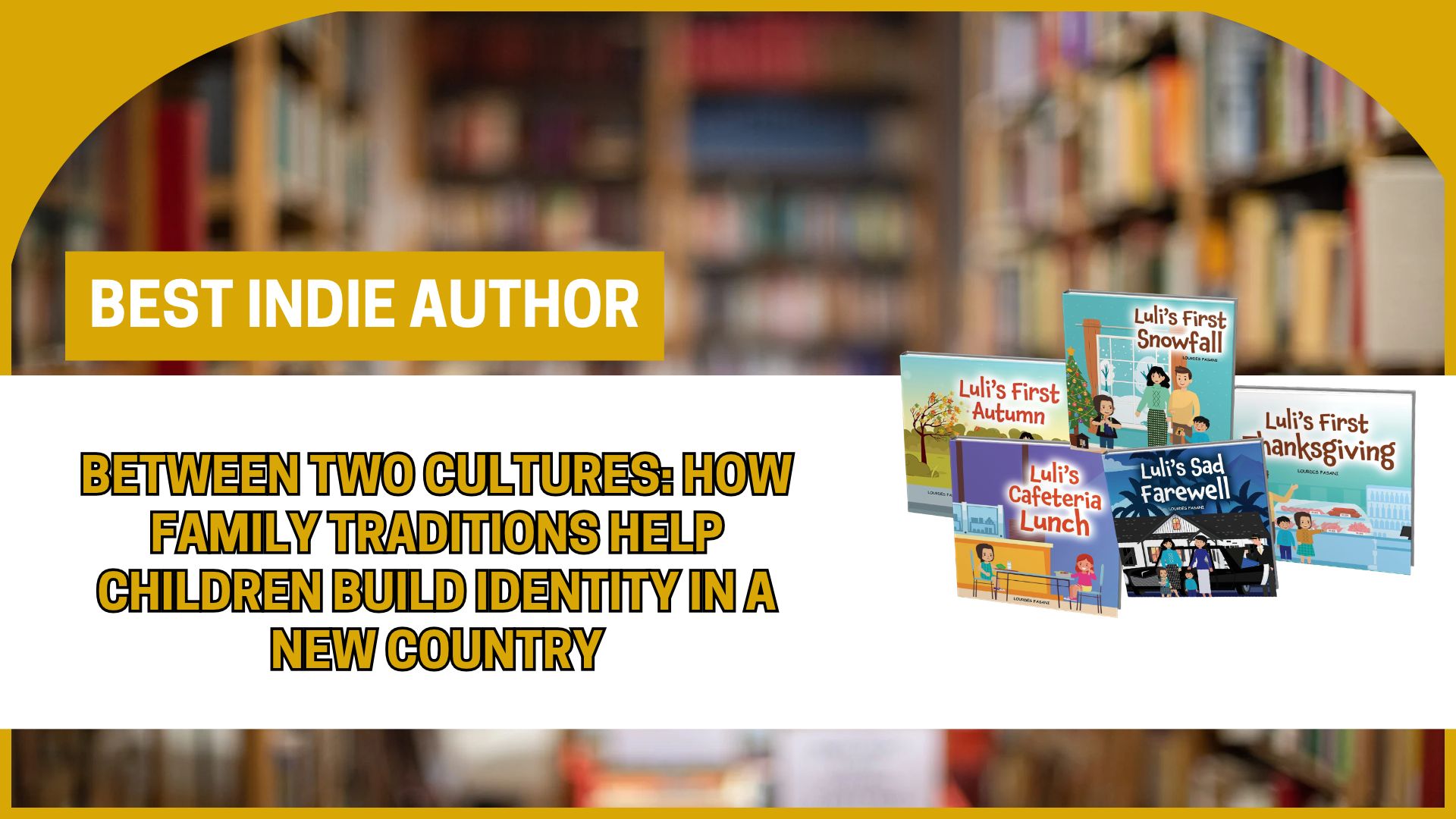
In Luli’s Sad Farewell by Lourdes Fasani, Luli’s emotional departure from Cuba reveals how deeply childhood identity is connected to loved ones, personal belongings, and meaningful memories.
Although her family had found a new home, the experiences of her childhood remained an important part of who she was becoming.
Familiar Traditions Provide Comfort During Change
Children tend to feel comfortable with familiar practices, especially when they have an uncertain environment around them.
Food is one of the initial cultural differences that Luli notices. Used to warm café con leche and traditional Cuban meals, she has difficulties with cold milk and steamed broccoli in her American school.
In Luli’s Cafeteria Lunch, her mother carefully packs cocoa powder and garlic powder to help Luli enjoy these new foods.
Instead of forcing Luli to reject her likes, she tries to help her daughter get used to these changes.
Here we see a good lesson for parents of children facing cultural transitions: keeping familiar practices helps the child feel confident enough to try something new.
Celebrating New Customs Without Forgetting Old Ones
It is only through cultural adaptation that children will be able to explore new customs yet still retain their ties to their cultural roots.
Through her experiences with falling colored leaves, carving pumpkins and celebrating Halloween, Luli learns to discover new traditions which she has never been exposed to in Cuba.
Through the help of a friendly neighbor, Luli and Mayi were able to wear costumes made for them and took part in the Halloween parade of their school.
This shows the role of community in assisting children to learn new traditions without making them feel like losing their culture.
The same blend of cultures happens on the family’s first celebration of the American Thanksgiving where both cultural foods were served during the holiday.
Family Memories Help Shape Identity
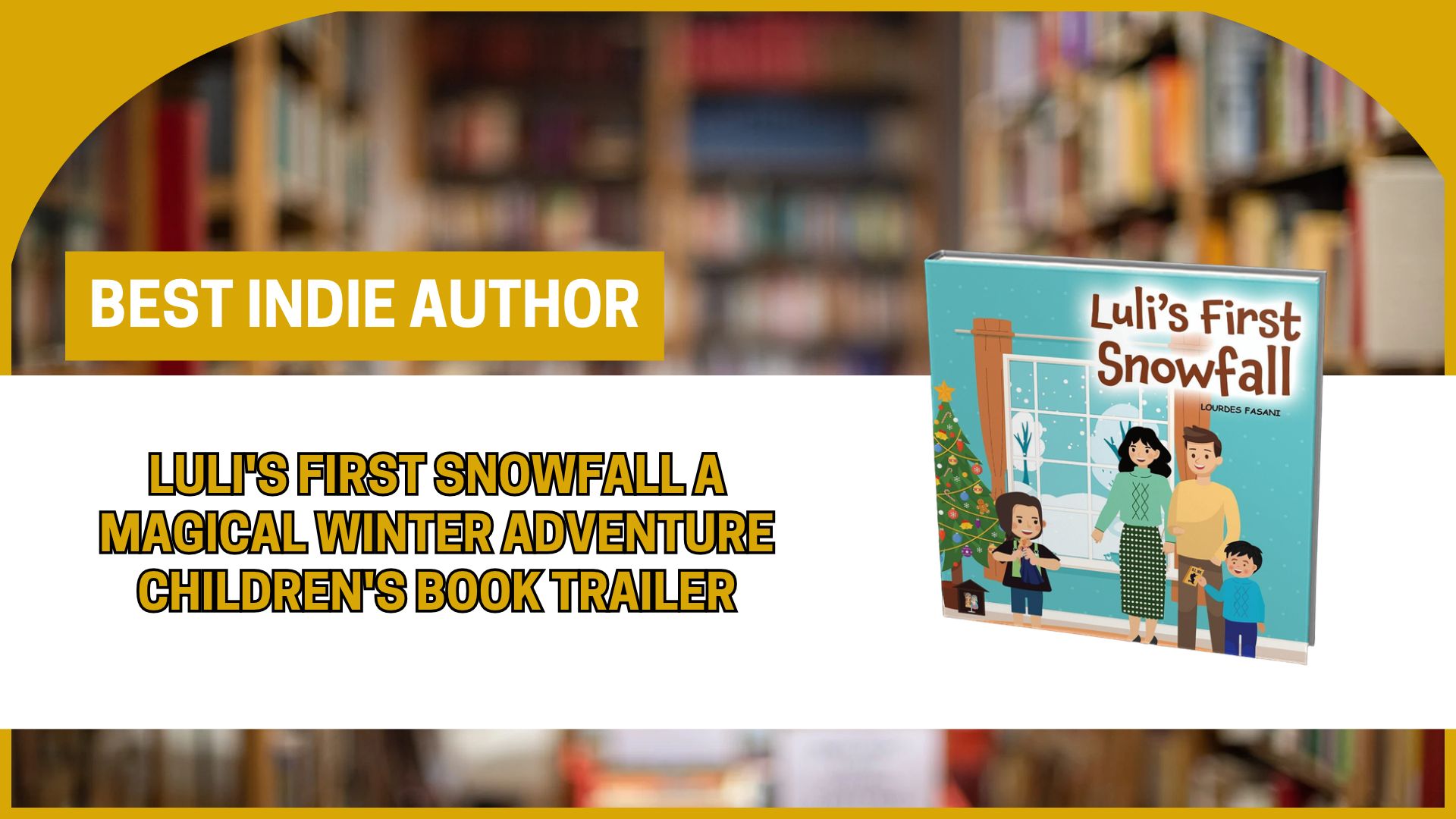
During her first snowy Christmas in Illinois, Luli experiences another unfamiliar environment while remembering the warmth of Cuban family gatherings.
In Luli’s First Snowfall, familiar foods such as café con leche, Cuban bread, and torrejas connect her present experiences with memories of her grandparents’ home.
Her attachment to Los Reyes Magos, the Three Wise Men, also reflects the importance of preserving cherished childhood celebrations while discovering American Christmas traditions.
For immigrant families, such connections can help children understand that cultural identity does not disappear when their surroundings change.
Building Belonging Across Two Cultures
The parents, teachers, and communities can help the children by appreciating their culture while motivating them to explore new things.
Eating customary food, observing customary events, speaking the native language of the family, and embracing unfamiliar cultures can all play an important role in building up a sense of belonging among the children.
A new country can provide new experiences for the children, but this should not wipe out the old ones.
Available On Amazon: https://www.amazon.com/stores/Lourdes-Fasani/author/B0FVGJBMBR
Visit the Author’s Official Website: https://lourdesfasanibooks.com/