Highly sensitive children experience the world in a deep and intense way. Loud sounds may feel overwhelming. Busy rooms can create stress. Strong emotions, changes in routine, or even small disappointments may stay with them longer than expected. These children are not “too emotional” or “too sensitive.” They simply process experiences more deeply, and they often need extra support to feel calm, safe, and balanced.
One of the best ways to help highly sensitive children is to give them simple calming activities they can use every day. Gentle routines and comforting coping tools can help children feel more secure while teaching them how to manage overwhelming feelings in healthy ways.
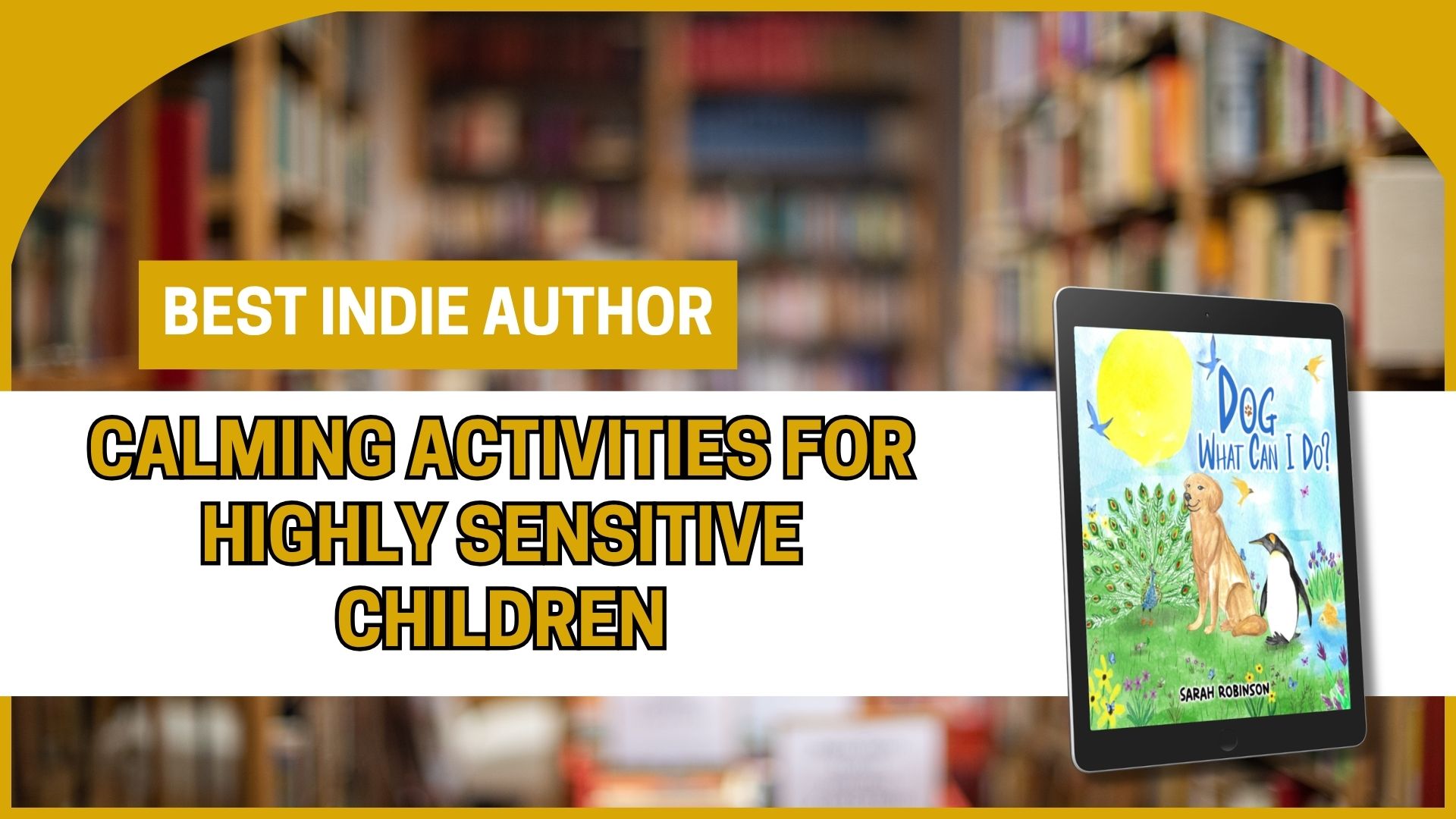
Movement is often one of the most effective calming tools. Many sensitive children carry stress physically in their bodies. Activities such as jumping, stretching, dancing, walking outdoors, or wiggling can release tension and help them reset. In Sarah Robinson’s Dog, What Can I Do?, children are reminded that movement can help when thoughts are racing and sitting still feels impossible. This message encourages children to listen to what their bodies need instead of feeling ashamed for being restless.
Breathing exercises can also create comfort during stressful moments. Slow breathing, humming, soft buzzing sounds, or placing a hand on the chest can help children feel grounded. Sensitive children often respond well to calming sensory experiences because they help shift focus away from overwhelming thoughts and back into the present moment.
Another helpful activity is counting or noticing objects around them. Counting colours, toys, breaths, clouds, or sounds can calm anxious thinking and give children something steady to focus on. This gentle redirection can make difficult moments feel more manageable.
Creative expression is equally important. Drawing pictures, writing letters, colouring, or telling stories gives children a safe outlet for emotions they may struggle to explain aloud. Some children feel calmer after expressing their feelings through art rather than conversation. Dog, What Can I Do? beautifully encourages children to share emotions through creativity and imagination instead of hiding them away.
Highly sensitive children also benefit from having a quiet safe space. This might be a reading corner, a cosy blanket fort, a calm bedroom space, or a favourite chair with stuffed animals and books nearby. A calm environment helps sensitive children recharge when the world feels too loud or busy.
Books themselves can become calming tools, especially stories that reassure children their feelings are normal. Sarah Robinson’s Dog, What Can I Do? offers gentle emotional support through comforting animal characters and practical coping ideas children can actually use. The book helps sensitive children feel understood while showing them healthy ways to work through fear, sadness, worry, anger, and overwhelm.
Most importantly, highly sensitive children need patience and reassurance. They need adults who listen without judgement and remind them that strong feelings are not weaknesses. With understanding, consistency, and supportive tools like those found in Dog, What Can I Do?, sensitive children can grow into emotionally aware, compassionate, and resilient individuals.
Available on Amazon : https://www.amazon.com/dp/B0H1T9JWN9/
Also available now on Ingramspark: https://shop.ingramspark.com/b/084?params=Jw36rbKLHvbMjGyuebunjM2lTGbznIb82lMTjUvxL2m