Mysteries have fascinated me for as long as I can remember.
As a child, I loved reading detective stories. From Nancy Drew to The Hardy Boys, the thrill of the unknown drew me in. I loved these from the first page to the last. I spent horse reading them, meticulously gathering clues, piecing together facts, and predicting the moment of revelation when everything made sense. My interest in detective work was not just limited to books. I spent hours analyzing crime shows, solving puzzles, and developing an insatiable curiosity for uncovering hidden truths.
While my friends collected baseball cards and followed sports, I was more into mysteries of a different kind. Philosophical, historical, and theological. It all became my new research and, in some ways, my passion to find out more about my place in the universe, starting with the questions of life, its origins, the nature of existence, and the existence of God.
One of my earliest influences was And Then There Were None by Agatha Christie. Its plotting, unexpected twists, and logical deductions hooked me from the start. Christie herself once admitted that it was the hardest novel she ever wrote, yet it became one of the best-selling mysteries of all time. Perhaps it is because of the power of reason and deduction within its pages that also sparked something in me. I realized that life itself is the greatest mystery of all.
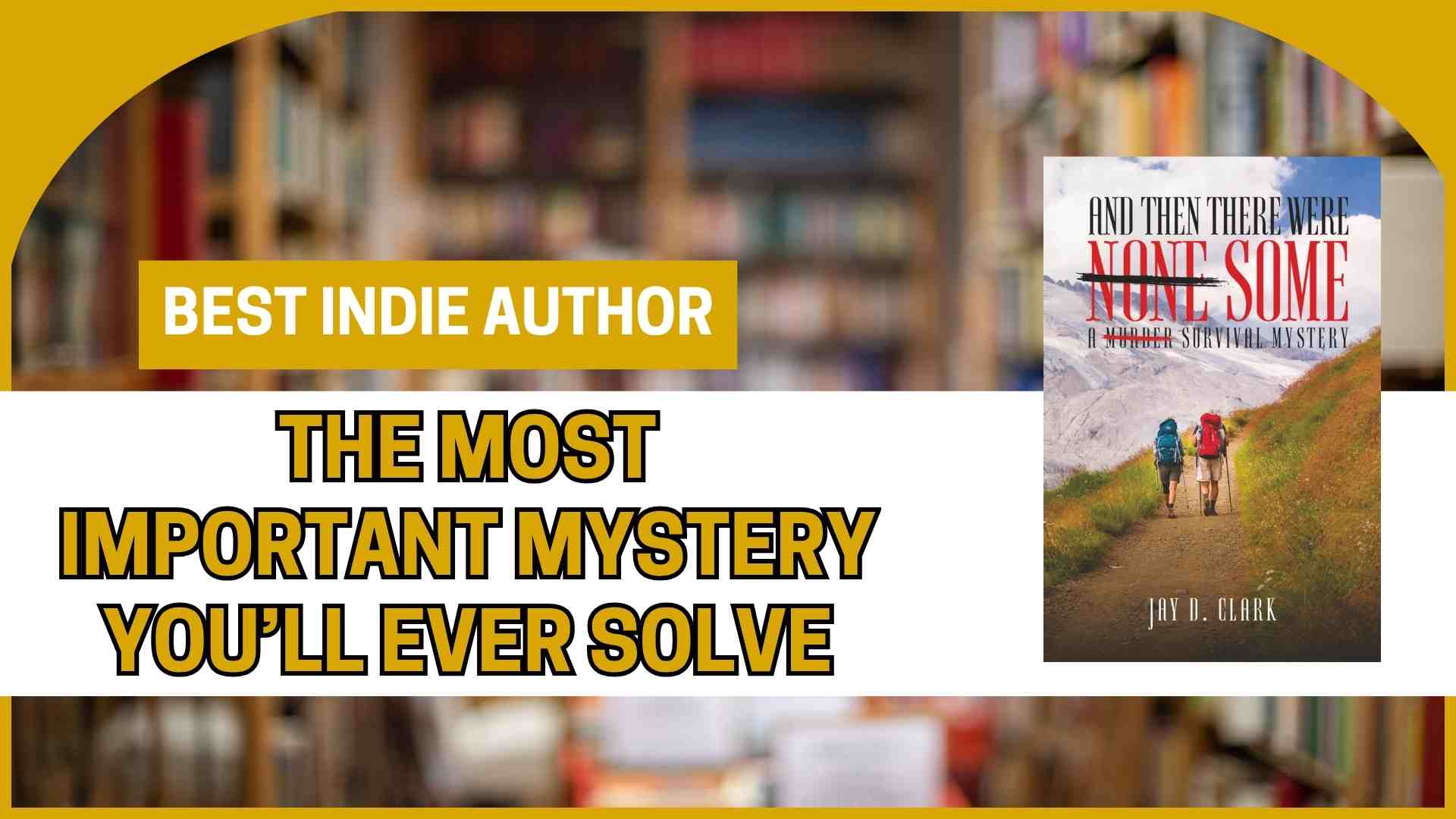
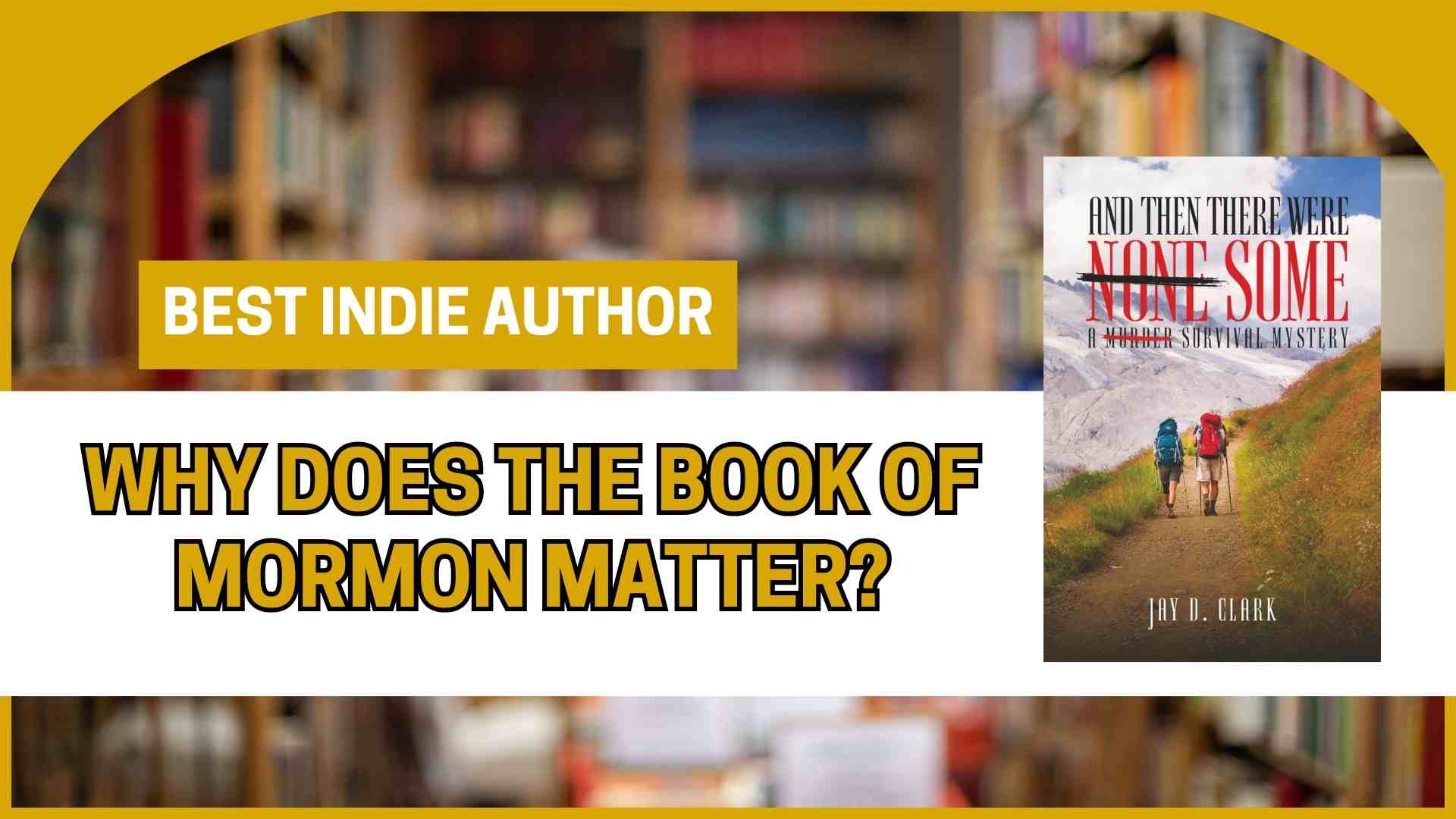
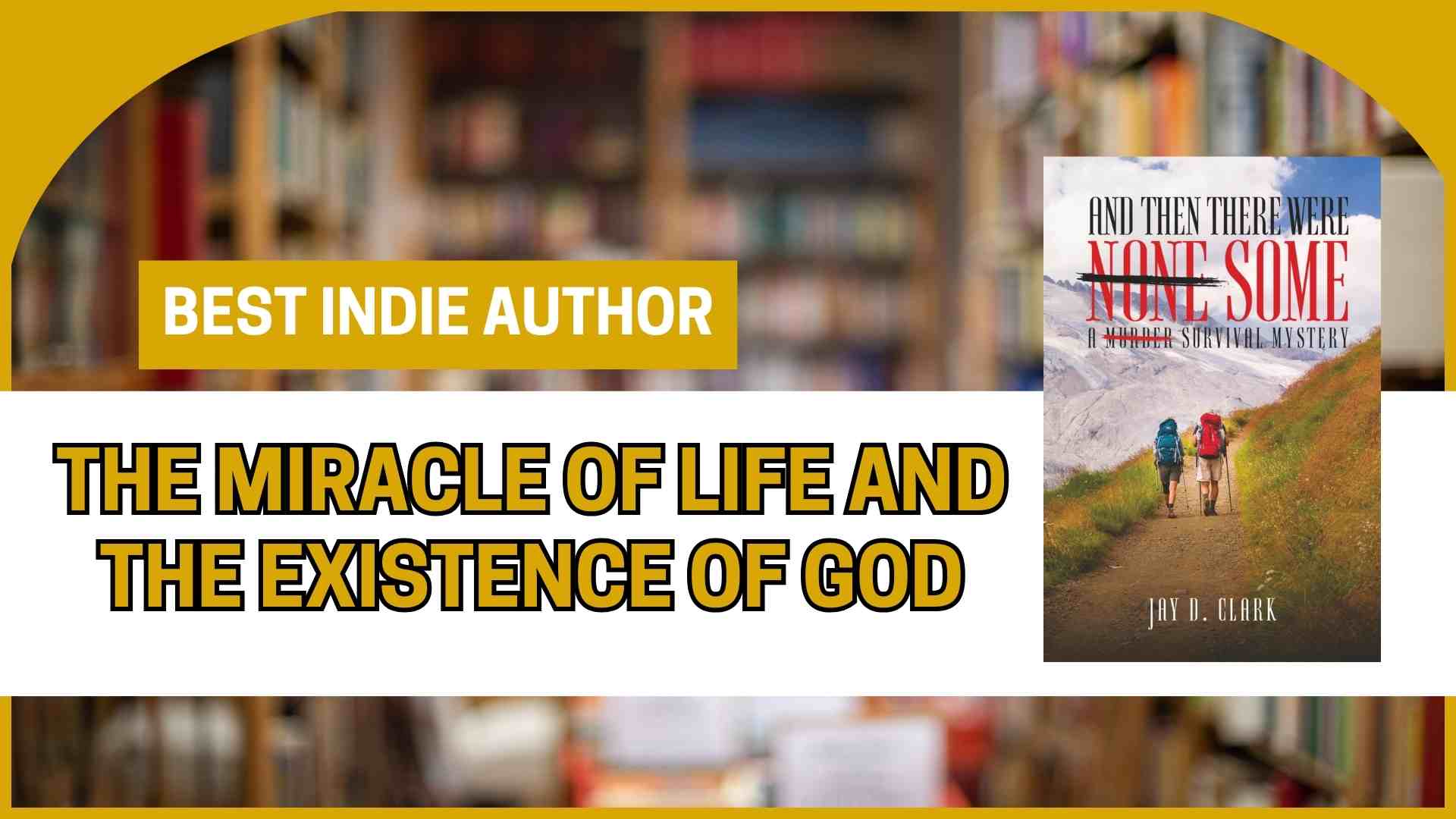
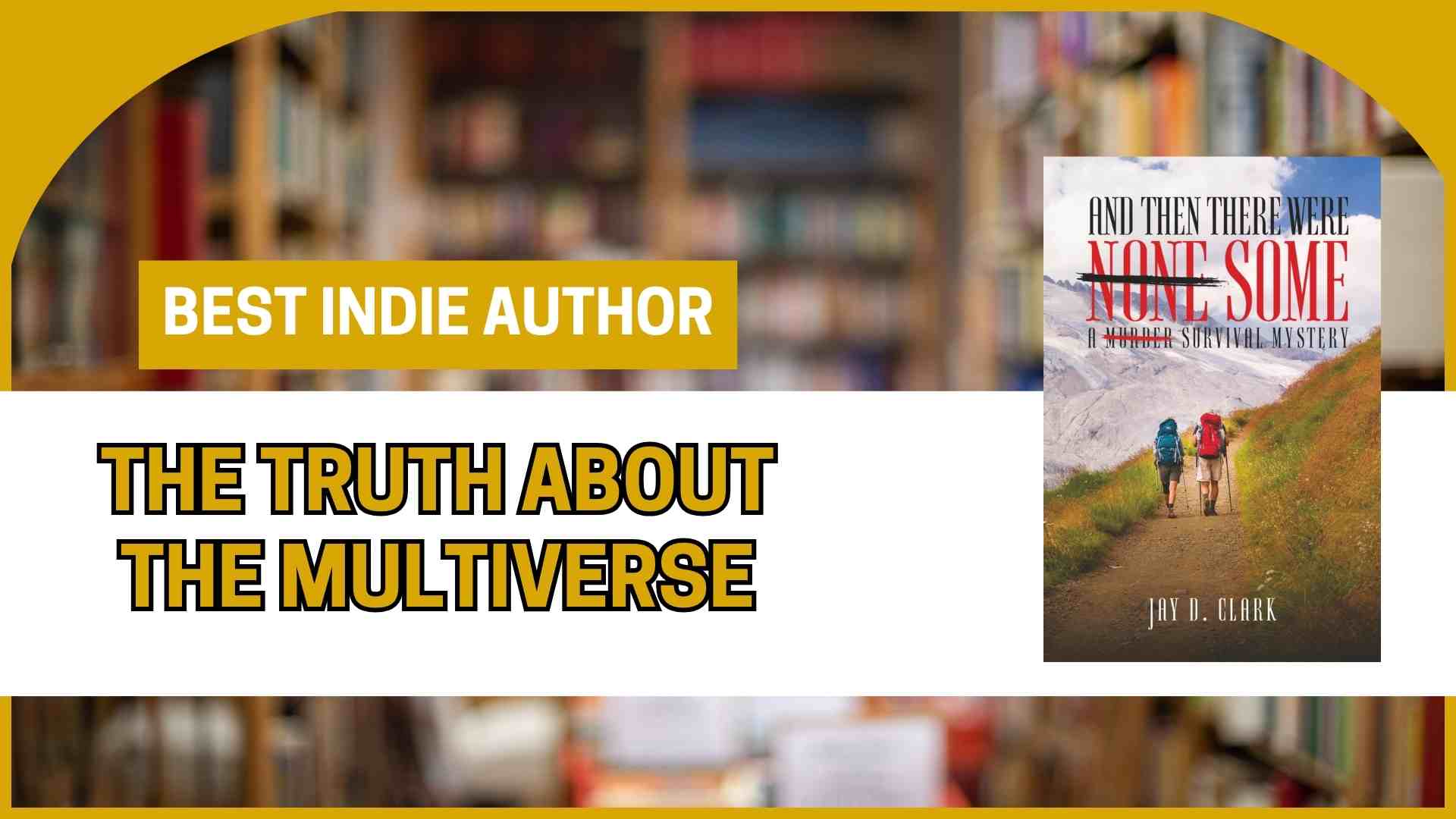
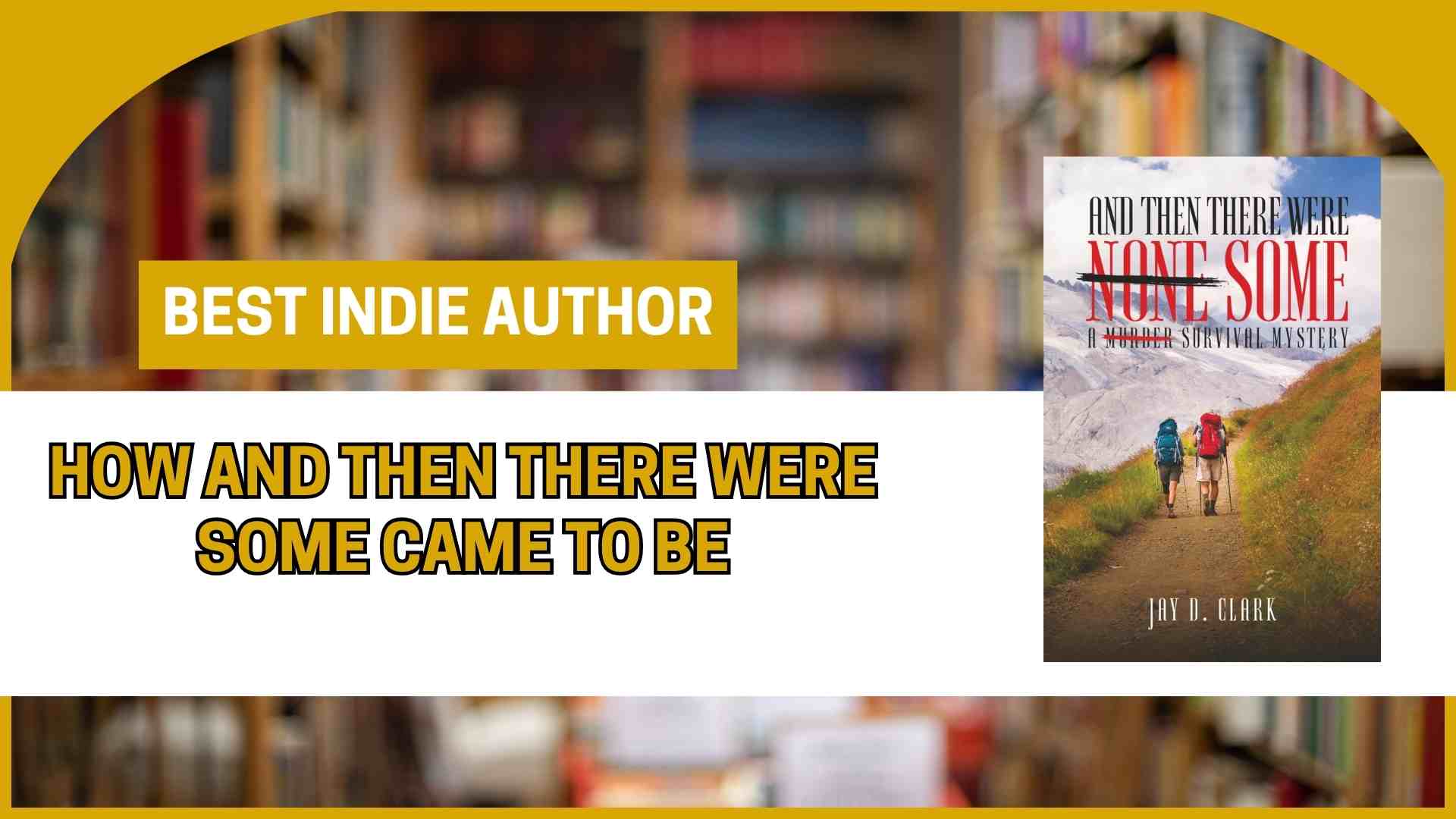
This realization became the foundation for And Then There Were Some: A Survival Mystery.
If life is a mystery, then the search for God is its greatest investigation—right? But instead of fingerprints and crime scenes, the clues exist in the natural world. It exists in science, in history, in the Holy Bible, and in human experience. The book applies the same logical structure used in detective fiction (abductive reasoning) to examine faith in God. It asks: If we analyze the evidence with the same scrutiny as a mystery novel, what conclusion will we reach?
Through history, philosophy, and science, my book dissects competing worldviews and scrutinizes naturalism, atheism, and theism. It challenges the assumption that belief is a matter of blind faith. Instead, it presents faith as a rational conclusion drawn from the evidence that the universe is fine-tuned for life and its creation is not a mere coincidence.
At its core, And Then There Were Some is about finding God through reasons and justifications. Just as a detective doesn’t stop at merely identifying the suspect, we can’t stop at merely acknowledging a creator. We should be asking what does this mean for us? If there is a God, what does He want from us? What role do we play in this grand design?
Much like the characters in And Then There Were None, we find ourselves on an isolated island, which is Earth, searching for answers. While some dismiss the search, content to live without questioning the deeper meaning, others actively investigate, seek clues, piece together information, and strive for understanding. And Then There Were Some is for the seekers, the questioners, the detectives of faith, who are looking for deeper truth.
For me (Jay D. Clark), the search has never ended. Every day is another opportunity to follow the evidence and uncover more of life’s mysteries. If you’ve ever wondered about the intersection of faith, science, and reason, this book is an invitation to start your own investigation.
Grab your copy on Amazon: https://www.amazon.com/dp/1917505191.