In an era where stories transcend traditional mediums, modern media plays a pivotal role in reshaping our understanding of divine figures. From ancient mythologies to contemporary pop culture, the portrayal of gods and deities has evolved, reflecting the changing values, beliefs, and concerns of society. This blog explores how modern media reimagines divine figures, the impact of these portrayals on our perception of the divine, and what this trend reveals about our collective psyche.
The Evolution of Divine Figures in Modern Media
Historically, gods and deities were depicted as distant, all-powerful beings, often removed from the human experience. These portrayals emphasized their omnipotence, moral authority, and the hierarchical relationship between the divine and humanity. However, as storytelling mediums have diversified—from literature to film, television, and video games—so too have the depictions of these divine figures.
In modern media, gods are increasingly humanized and portrayed with emotions, flaws, and vulnerabilities. This shift reflects a broader trend toward exploring the complexities of power, morality, and identity. Shows like American Gods and Lucifer bring ancient deities into contemporary settings, making them relatable characters who grapple with challenges similar to those faced by humans. These portrayals invite audiences to engage with the divine on a more personal level, breaking down the barriers between the mortal and the immortal.
The Impact on Perception of the Divine
The reimagining of gods in modern media has profound implications for how we perceive the divine. By presenting deities with human-like qualities, these portrayals challenge traditional notions of divinity as purely perfect and untouchable. Instead, they suggest that even the most powerful beings are not immune to doubt, conflict, or moral ambiguity.
This humanization of divine figures can make the concept of the divine more accessible to audiences, fostering a deeper connection with these characters. For instance, the portrayal of Lucifer in the television series Lucifer shifts the focus from a purely evil antagonist to a complex character with motivations, desires, and a capacity for change. This nuanced depiction encourages viewers to reconsider their understanding of good and evil, as well as the nature of redemption.
However, this trend also raises questions about the boundaries of artistic license and respect for religious traditions. While some appreciate the fresh perspectives offered by modern portrayals, others may view them as trivializing or disrespecting sacred figures. The balance between creative interpretation and cultural sensitivity remains a crucial consideration in the ongoing evolution of divine figures in media.
What These Portrayals Reveal About Society
The ways in which modern media reimagines divine figures offer insights into the collective psyche of contemporary society. These portrayals often reflect current societal values, such as the importance of individualism, the questioning of authority, and the exploration of moral gray areas. By depicting gods as fallible and relatable, modern narratives resonate with audiences who are increasingly skeptical of absolute power and drawn to stories of personal growth and transformation.
Moreover, the popularity of these reimagined divine figures suggests a desire for more inclusive and diverse representations of spirituality. As society becomes more pluralistic, media creators are exploring a wider range of deities and religious traditions, moving beyond the monolithic portrayals of the past. This diversity enriches the cultural landscape, allowing for a more nuanced and multifaceted understanding of the divine.
Conclusion
Modern media has significantly reshaped our understanding of divine figures, offering new interpretations that reflect the complexities of contemporary life. By humanizing gods and bringing them into relatable contexts, these portrayals invite us to engage with the divine in ways that are both personal and profound. As we continue to explore these reimagined narratives, we gain not only fresh perspectives on ancient deities but also deeper insights into our own values, beliefs, and aspirations.
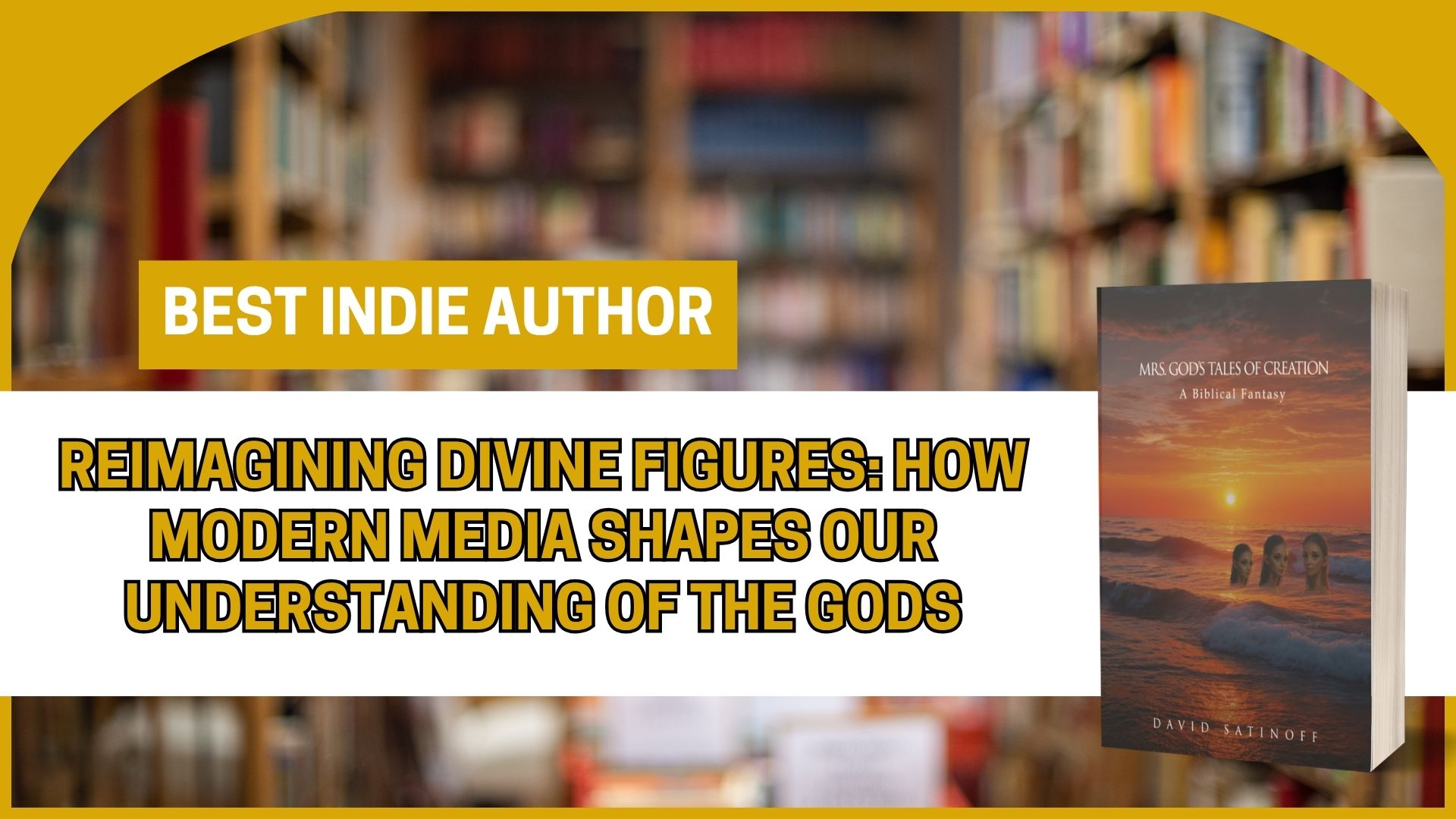
Dive into a bold reimagining of the divine with David Satinoff’s Mrs. God’s Tales of Creation: A Biblical Fantasy. In a world where modern media reshapes our understanding of gods, this book stands out, offering a fresh perspective on the creation story. Narrated by Rachel, God’s witty Southern wife, the tale explores the complexities of the divine with humor and insight. If you enjoy how modern media humanizes deities and challenges traditional narratives, this book is a must-read.
Avalability : https://www.amazon.com/dp/1971610704/