For centuries, philosophical and theological anthropology has been heavily dominated by Eurocentric paradigms, framing the discussion of human nature through isolated, Western lenses. As global interdependence deepens, an interculturally responsible theology that takes non-Western intellectual traditions seriously has become imperative. By examining indigenous African worldviews, particularly through the lens of Chinua Achebe’s literary vision and Igbo cosmology, we find a profound framework that radically enriches our understanding of human dignity and the Christian doctrine of the imago Dei.
Moving Beyond Western Dualisms
Traditional Western accounts of the self have frequently been structured by sharp dualisms between the soul and body, the individual and community, or the sacred and secular. In contrast, the Igbo conception of the human person—known as Mmadụ—presents a radically integrated, relational ontology. Within this framework, a human being is never self-enclosed or autonomous in a vacuum; instead, identity emerges through living networks of kinship, society, and the divine.
This worldview offers a vital corrective to modern hyper-individualism. When theological anthropology incorporates the insights of Mmadụ, the human person (imago Dei) is understood not merely as a static attribute or a disembodied rational mind but as an active, embodied achievement. One becomes fully human through moral participation, community recognition, and active responsibility toward others.
A cornerstone of this African theological perspective is the dynamic interplay between the human person (Mmadụ) and their personal spiritual double (Chi). Far from a deterministic fate, Chi acts as a dialogical presence, mediating between human freedom and transcendent orientation. The famous Igbo proverb, Onye kwe, chi ya ekwe (“When one says yes, one’s chi says yes”), highlights a deep reciprocity between human agency and divine accompaniment.
This relational balance resonates deeply with Trinitarian theology and perichoretic embrace. Just as the Christian God is inherently relational, revealed in the community of the Father, Son, and Holy Spirit, so too does the human person, created in the imago Dei, find their truest reflection in community, interconnectedness, and mutual responsibility.
A More Inclusive Vision of Humanity
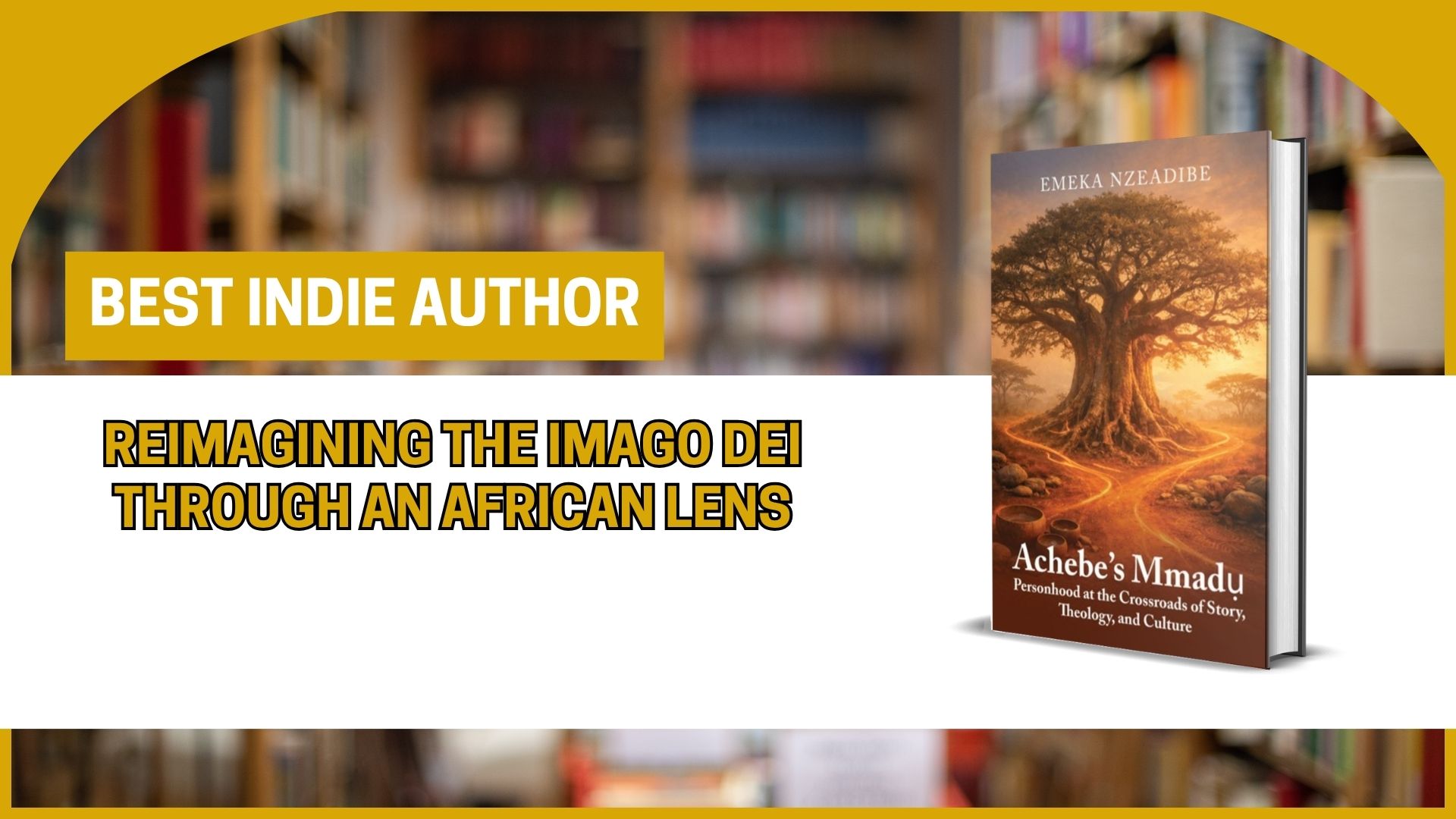
Ultimately, retrieving indigenous African concepts like Achebe’s Mmadụ: Personhood at the Crossroads of Story, Theology, and Cultureallows theology to transcend the limitations of cultural particularity. It provides a capacious vision of humanity that honors both difference and a shared global destiny. By viewing human dignity through this rich intercultural lens, theological anthropology is revitalized, offering a more integrative, relational, and compassionate understanding of what it means to be human in the twenty-first century.
Achebe’s Mmadụ: Personhood at the Crossroads of Story, Theology, and Culture invites readers into a profound encounter between Igbo cosmology, Christian theology, and Chinua Achebe’s literary imagination. What begins as a personal search for meaning unfolds into an exploration of the spiritual and philosophical depth of Igbo understandings of the human person, set alongside the Christian vision of the imago Dei. The book highlights Achebe’s evocative image of the dancing mask and the Igbo proverb Ife kwụlụ, ife akwụdebe ya—“where something stands, something else stands beside it.” This metaphor captures an Igbo worldview that honours multiplicity, layered truth, and relationality and poses a question shared across cultures and traditions: What does it mean to be human?
Head to Amazon to read this book: https://www.amazon.com/dp/B0GZFB5P25/