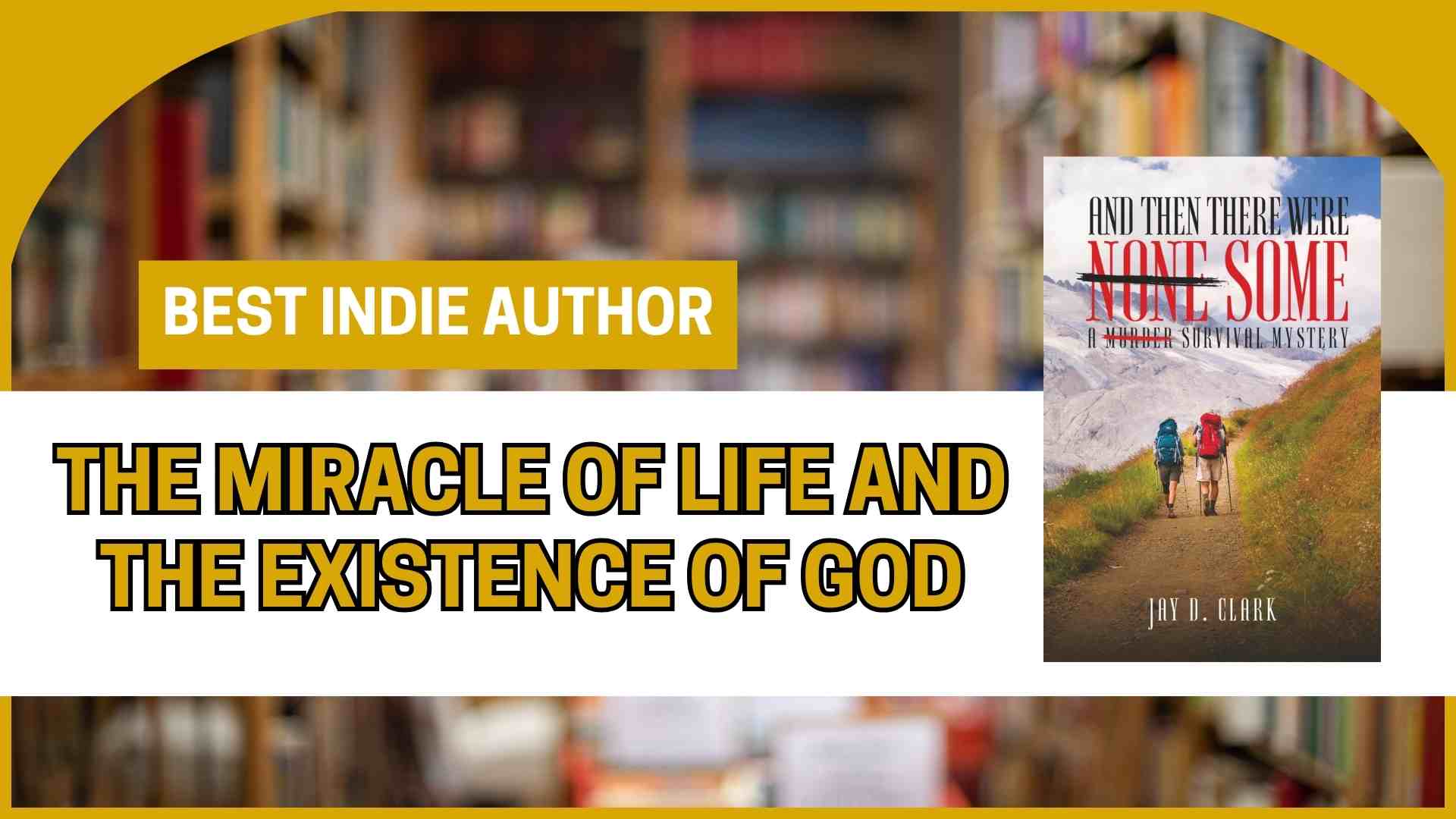
Everyone loves a good mystery. Whether it is a detective novel, a crime show, or a puzzle to be solved, mysteries grab our attention because they promise answers. But what if the greatest mystery is not a book you read or a show you watch, but your own life? Jay D. Clark’s And Then There Were Some makes the case that the most important mystery you will ever solve is whether your existence is random or designed.
The book borrows its structure from Agatha Christie’s And Then There Were None, one of the most famous mysteries ever written. In Christie’s novel, the guests on an island are confronted with life-or-death questions, and survival depends on correctly identifying the hidden host. Clark takes this premise and applies it to life itself. We are all on an “island” called Earth, and we all face the same pressing question: who is behind our existence?
Clark points to science, philosophy, and scripture as three major sources of clues. Science reveals a universe with a beginning and laws fine-tuned for life. Philosophy shows that human morality, consciousness, and longing for purpose demand explanation. Scripture adds another layer, offering historical and spiritual testimony about the God who created us. Together, these clues suggest that life is not random chance, but the work of an intelligent host.
As Clark explains, the challenge is that many people overlook the evidence. Just as Christie’s guests missed obvious clues until it was too late, we often ignore the signs around us. We explain them away as coincidences or bury them under daily distractions. But ignoring the mystery does not make it disappear.
Clark frames this pursuit as a detective’s investigation. Abductive reasoning asks: what explanation best fits the evidence? When applied to life, the answer is striking. Naturalism struggles to explain why the universe began, why it is fine-tuned, or why humans seek truth. Theism, on the other hand, provides a clear and causally adequate explanation: a Creator who set everything in motion with purpose.
The beauty of Clark’s book is that it does not demand blind faith. Instead, it challenges readers to engage with the mystery themselves. The clues are there for anyone willing to look, and the stakes could not be higher.
Unlike fictional mysteries, this one does not end in death. It points to life. It invites us to discover a God who not only created the universe but also offers meaning and hope.
So ask yourself: is your worldview ready for what the evidence reveals? Clark’s And Then There Were Some is an invitation to solve the most important mystery of your life. The clues are waiting. The host is real. And the choice is ours to discover the truth before it is too late.
For those searching for truth in a skeptical world, Clark’s book is the roadmap to survival, which explores the compatibility of science and faith, particularly Christianity, through an evidence-based approach.
Get your copy on Amazon: https://www.amazon.com/dp/1917505191/.