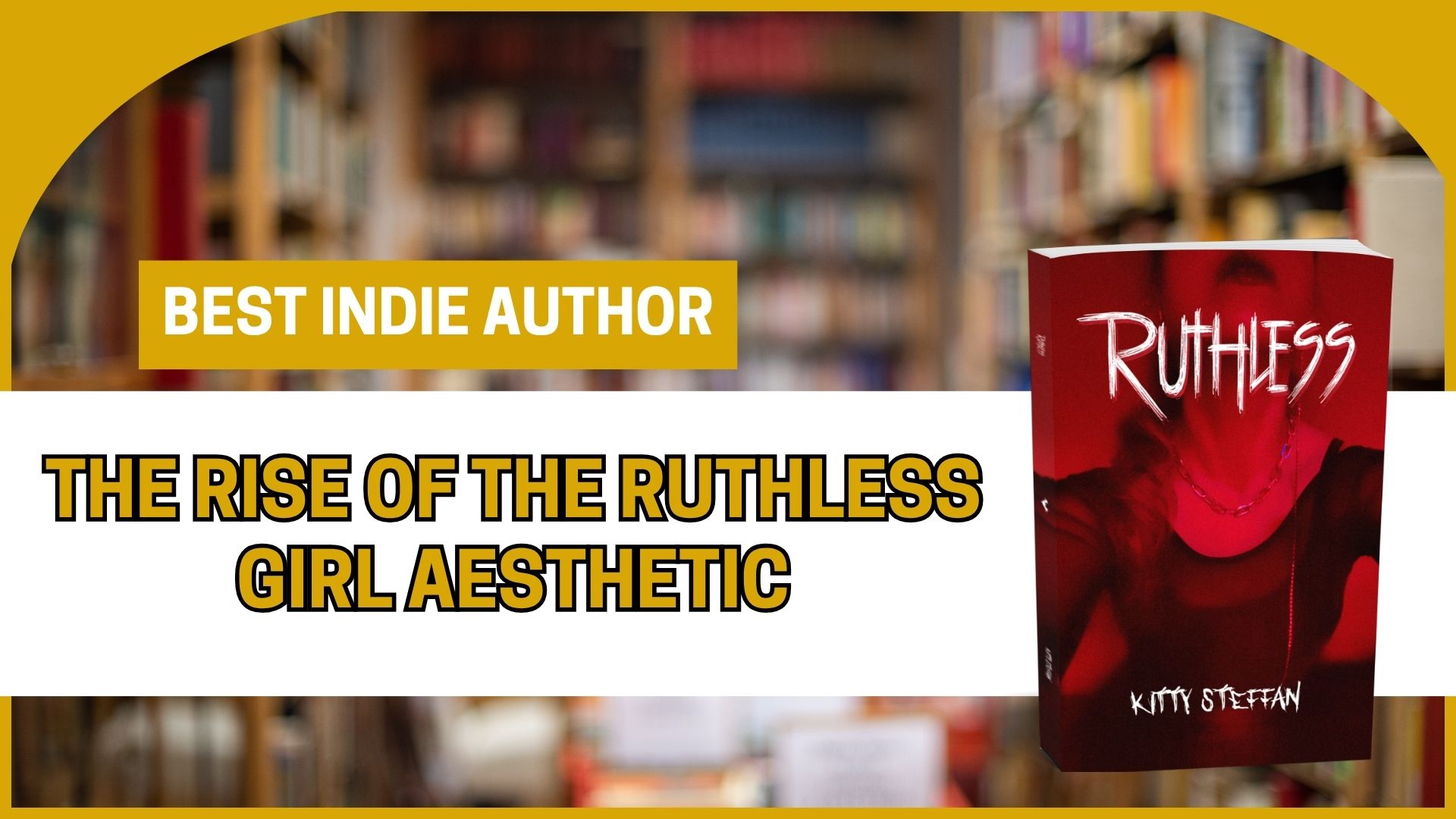
There is a new archetype emerging across social media feeds, poetry pages, and alternative fashion spaces. She is not loud for the sake of spectacle. She is not soft for the sake of approval. She is deliberate, sharp, emotionally literate, and unapologetically visible. She is the Ruthless Girl.
The Ruthless Girl Aesthetic is more than red lipstick, black boots, and moody lighting. It is a reclamation. It is a refusal to shrink. It is the transformation of pain into presence. In a digital landscape saturated with curated perfection and filtered vulnerability, the Ruthless Girl chooses intensity over performance.
At its core, this aesthetic blends softness and steel. It draws from gothic undertones, dark academia visuals, handwritten poetry, and the quiet confidence of someone who has survived something unspeakable. Red and black dominate the palette, not as costume but as symbolism. Red for blood, heat, and desire. Black for depth, shadow, and self-containment.
This aesthetic is deeply literary. It echoes the confessional poets who dared to expose their internal landscapes long before hashtags existed. It carries the emotional sharpness of Sylvia Plath, the interior storm of Anne Sexton, and the modern vulnerability of poets who write in the notes app at 2 a.m. and post without apology. The Ruthless Girl does not hide her intensity. She curates it.
In Ruthless, this energy becomes embodied. The book does not frame ruthlessness as cruelty. It reframes it as clarity. To be ruthless, in this context, is to cut away illusion. To sever what no longer serves. To protect tenderness with boundaries rather than silence. The Ruthless Girl is not heartless. She is self-aware.
Social media has amplified this archetype. On BookTok and PoetryTok, short, incendiary lines paired with dim lighting and direct eye contact command attention. On Instagram, red fishnets against library backdrops become visual declarations. The Ruthless Girl Aesthetic thrives in screenshots of lines that feel like confessions and manifestos at once.
But beyond the visuals lies something more profound. This aesthetic resonates because it reflects lived experience. Many who identify with it are queer creators, neurodivergent artists, single mothers rebuilding, immigrants navigating belonging, lover girls learning self-protection. The ruthlessness is not aggression. It is survival refined into style.
There is a generational shift at play. Where previous eras encouraged women to be palatable, agreeable, and endlessly accommodating, the Ruthless Girl rejects that script. She writes about heartbreak without minimizing her rage. She documents healing without sanitizing the process. She understands that tenderness and fury can coexist in the same stanza.
The rise of this aesthetic also reflects a hunger for authenticity. Audiences are increasingly drawn to creators who present complexity rather than perfection. The Ruthless Girl does not promise serenity. She offers truth. She acknowledges scars as part of the story rather than flaws to conceal.
Importantly, this archetype resists caricature. It is not about glamorizing suffering. It is about narrating it on one’s own terms. The visual cues may be dramatic, but the emotional core is grounded. Boundaries are visible. Self-possession is evident. The aesthetic communicates, I have felt everything and I am still here.
Ruthless captures this cultural moment by giving language to that stance. It transforms individual experience into collective recognition. Readers who encounter its pages often find themselves reflected not in weakness, but in sharpened resilience.
The Rise of the Ruthless Girl Aesthetic signals more than a trend. It signals a recalibration of feminine power. It is about refusing erasure. It is about romantic intensity without self-abandonment. It is about becoming the author of your own narrative.
In a world that once demanded silence, the Ruthless Girl writes in red ink and does not cross herself out.
Read this book, available on Amazon: https://www.amazon.com/dp/B0FY957WMW/.