Patient disengagement is often treated as a personal issue. A patient misses an appointment, stops taking medication, ignores symptoms, or leaves a treatment plan unfinished. The immediate result may appear limited to one person. In reality, the effects spread across families, healthcare organizations, employers, insurers, and the entire healthcare system.
When patients are not involved in their care, manageable conditions can become serious. High blood pressure may remain uncontrolled. Diabetes complications may develop. Warning signs may go unreported. Preventive screenings may be delayed until treatment becomes more difficult and expensive.
The financial cost can be substantial. Missed appointments waste clinical time and delay access for other patients. Poor medication use can lead to emergency visits, hospital admissions, additional testing, and longer treatment. A condition that could have been managed through routine care may eventually require intensive medical attention.
The human cost is even greater.
Disengaged patients may experience declining health, reduced independence, lost income, and avoidable pain. Family members may need to provide care, miss work, or take on financial responsibilities. Employers may face greater absenteeism and lower productivity. Healthcare professionals may become frustrated when carefully designed treatment plans repeatedly fail outside the clinic.
Patient disengagement does not always result from indifference. Many patients face confusing instructions, limited health literacy, medication costs, transportation problems, fear, depression, cultural barriers, or previous negative experiences with healthcare. Some leave appointments without understanding their diagnosis or knowing what they should do next.
For this reason, responsibility cannot rest on patients alone.
Healthcare providers must explain information clearly, confirm understanding, invite questions, and identify barriers before creating a care plan. Patients need practical guidance that fits their lives, not instructions they cannot realistically follow. Regular communication, health coaching, reminders, remote monitoring, and accessible digital tools can help patients remain connected between visits.
Patients also have responsibilities. They should attend appointments, communicate honestly, ask for clarification, report difficulties, and take reasonable action on agreed recommendations. When a plan is not working, the healthcare team needs to know.
Patient engagement is not an optional service. It is part of effective care. A system that invests heavily in diagnosis and treatment but neglects patient participation will continue paying for preventable complications.
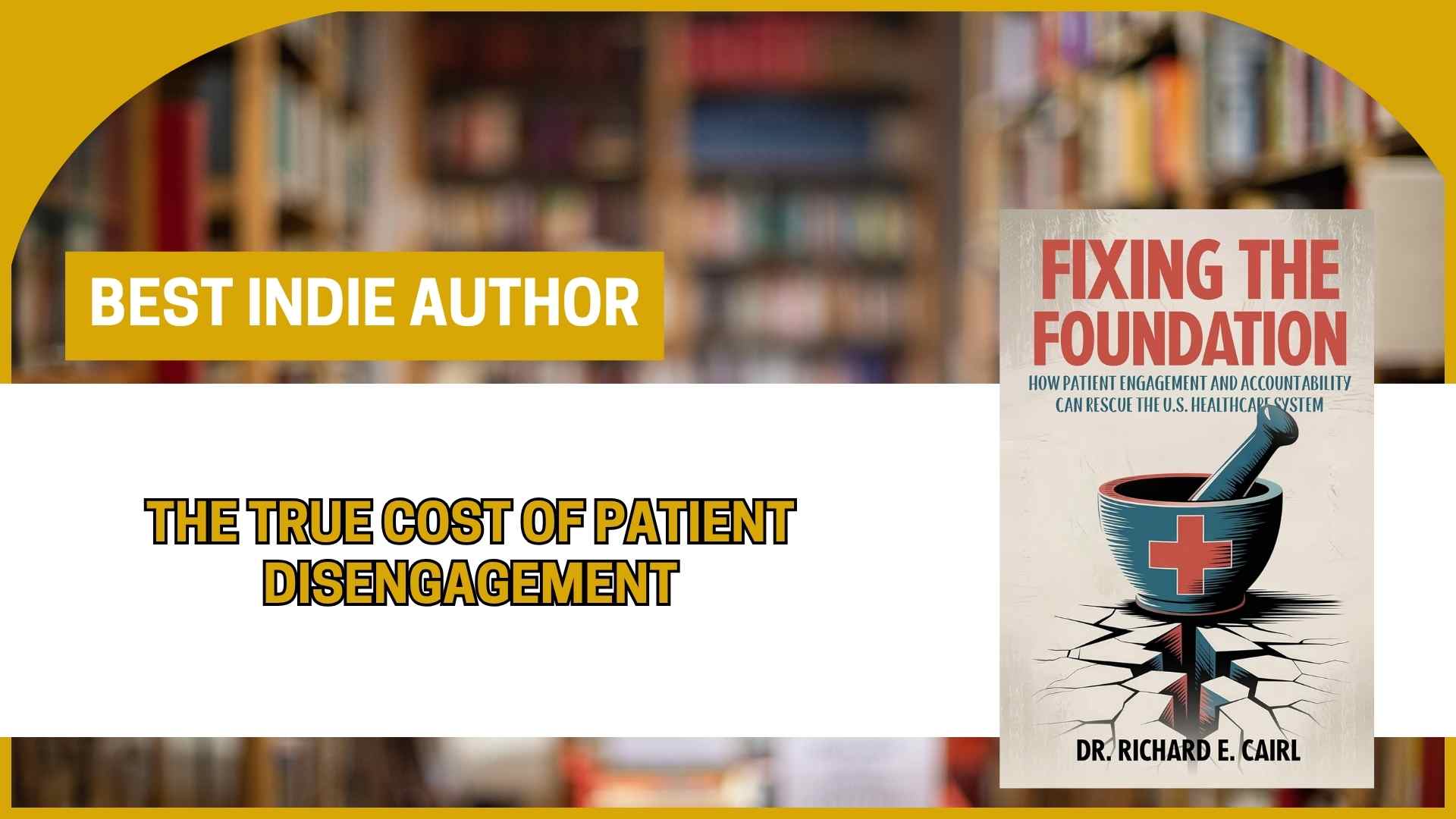
In Fixing the Foundation: How Patient Engagement and Accountability Can Rescue the U.S. Healthcare System, Dr. Richard E. Cairl examines the clinical, financial, and personal consequences of patient disengagement. The book explains how patients, providers, healthcare organizations, and policymakers can build a stronger system through clear communication, practical support, and shared responsibility.
The cost of disengagement is not measured only in dollars. It is measured in missed opportunities to protect health, prevent suffering, and help patients take control of their lives.
Get your copy today: https://www.amazon.com/dp/B0GRCRBKB6/