We live in a culture obsessed with the cinematic highlight reel of human survival. In movies and popular self-help culture, resilience is often packaged as a clean, triumphant montage. We love the dramatic breakthrough: the sudden moment of realization, the fiery speech, and the protagonist standing tall in the sunlight, completely healed, having left their pain entirely in the rearview mirror. We are fed a steady diet of toxic positivity that tells us to “always look on the bright side,” to “shake it off,” and that everything happens for a reason.
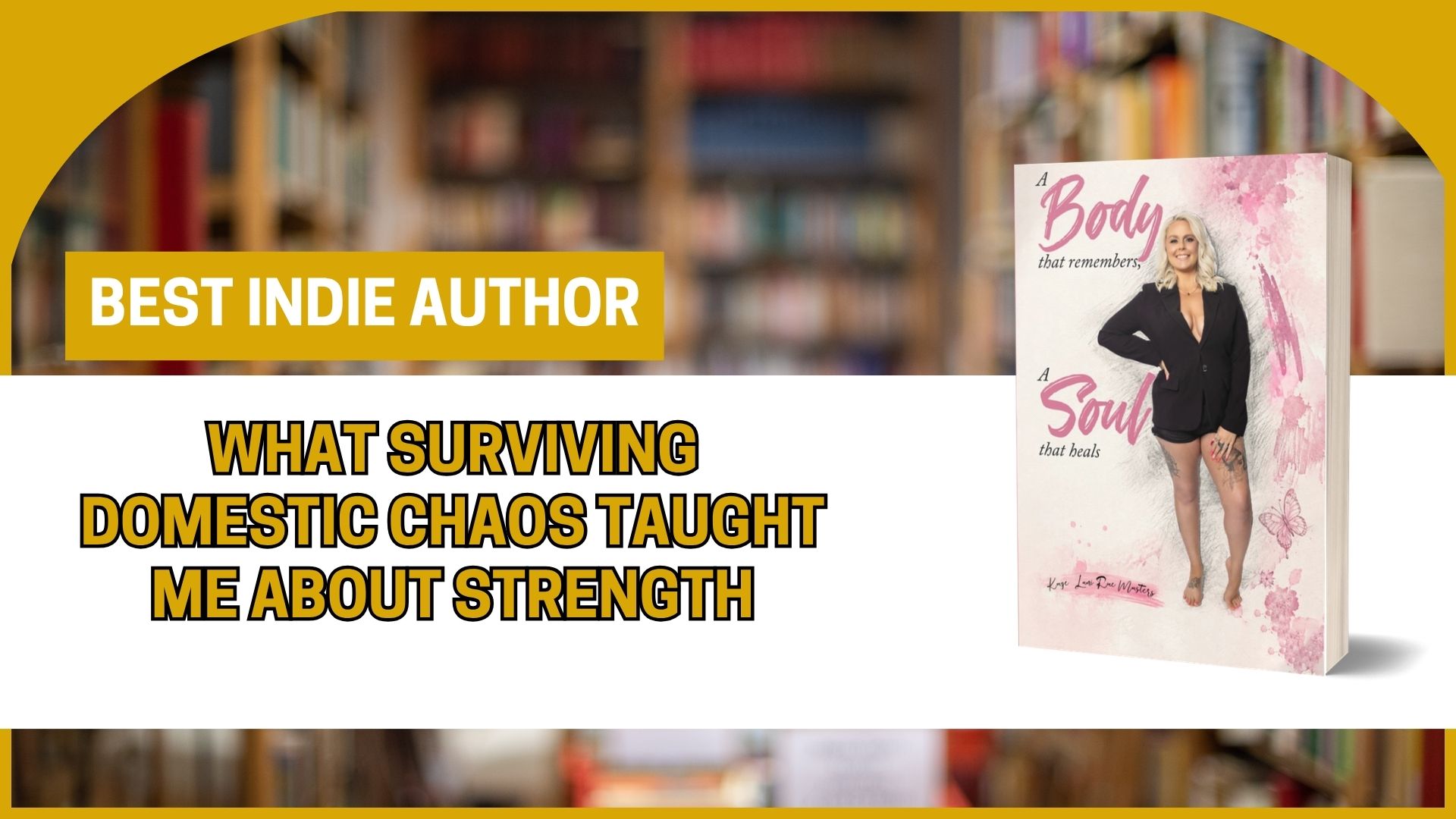
When you grow up or live inside an environment where the floorboards are constantly shifting beneath your feet, survival is a quiet, grueling daily grind. It is found in the microscopic decisions made when the world is collapsing around you. It is the split-second choice to keep breathing when the air feels thin, the decision to protect your children while your own heart is breaking, and the raw, unglamorous labor of waking up day after day to face a reality you didn’t choose. In books like the memoir A Body That Remembers, A Soul That Heals, the narrative strips away the sanitized illusions of trauma to reveal the gritty, unvarnished truth of what it takes to navigate a life fractured by instability, domestic abuse, and generational addiction.
The Myth of Toxic Positivity and Clean Healing
Toxic positivity tells us that if we just smile hard enough, think positively, and manifest good vibes, the darkness will evaporate. It demands that survivors wear their scars as tidy badges of honor while keeping their pain neatly tucked away so as not to make anyone uncomfortable. But true survival defies this artificial neatness.
When your nervous system has been wired by early chaos, danger, and unpredictability, healing cannot be forced through positive affirmations alone. Your body remembers the shockwaves of yesterday. As explored in raw accounts of survival, the aftermath of domestic turmoil often manifests as anxiety, hypervigilance, and the heavy weight of coping mechanisms born out of sheer desperation. Acknowledging that reality is not “being negative”—it is the foundational first step of telling the truth. Real strength begins the moment you stop performing wellness for the world and start facing the messy, jagged pieces of your actual existence.
We often look for strength in monumental acts of defiance. Yet, for those navigating extreme hardships and facing homelessness, domestic violence, or advocating for a child with complex medical needs, strength is rarely a grand gesture. Instead, resilience is found in the quiet, mundane moments:
- The choice to stay: When every instinct screams to run or numb the pain, staying present for your children requires a quiet, fierce bravery.
- Setting invisible boundaries: Saying no to toxic dynamics, even when it isolates you, because you finally value your safety over other people’s comfort.
- Granting yourself grace: Accepting that healing is not linear, and that having a hard day does not mean you are failing.
- Carrying the unseen load: Doing the laundry, packing the lunch, and showing up for the next hour when you are completely depleted.
These quiet victories don’t make headlines. There is no trophy for getting out of bed when the emotional weight of your past is pressing down on your chest. But that quiet persistence is precisely where an unbreakable spirit is built.
Follow the author, Kaye-Lani Masters, as she addresses the brutal reality of generational addiction head-on. Rather than offering a sanitized version of recovery, Masters exposes how substance abuse is often inherited as a distorted defense mechanism as a way to numb the pain of childhood trauma, domestic abuse, and chaotic family dynamics. Through her raw storytelling, she illustrates the arduous process of confronting those learned behaviors, breaking free from enablers, and taking radical personal accountability. The book stands as a testament to the fact that while generational curses run deep, the human will to heal and protect the next generation runs deeper still… If you are dealing with setbacks and can’t find a way to get your life back on track, perhaps reading this book can be a way to the light. So, read this memoir and hep yourself find hope again
Read the book on Amazon: https://a.co/d/00poVLYW