Meetings are an unavoidable part of academic life, internships, and professional careers. They can be as simple as a group project discussion at university or as formal as a boardroom meeting in a large corporation. What often separates those who make an impact in meetings from those who blend into the background is not just what they know, but how they communicate. Sounding professional is less about using complicated words and more about choosing the right expressions, tone, and confidence in delivery.
In many workplaces, English is the language of communication. Managers and colleagues may come from different backgrounds, and the common ground is often the ability to share ideas in clear, professional English. The way you speak in a meeting can shape how others see you. A well-phrased suggestion, such as Perhaps we could consider another approach sounds more constructive and respectful than a blunt This won’t work. Small differences like these can change the entire tone of a discussion.
One of the most practical tools for sounding natural yet professional is phrasal verbs. These short, two-word expressions are used daily in business settings. For example, in a team update, you might say, “We need to follow up on yesterday’s tasks” or “Let’s look into possible solutions.” These phrases are familiar, easy to understand, and make communication flow naturally. Without them, speech can sound too formal or disconnected from everyday business language.
Using these expressions shows not only that you understand the language but also that you understand the culture of professional communication.
Politeness in meetings does not mean being soft or hesitant. It means framing ideas in a way that encourages collaboration. Phrases such as Would you mind clarifying that? or I’d like to suggest another option keep discussions respectful and open.
For example, consider a student intern attending their first team meeting. One option is to sit quietly and take notes. The other is to participate by asking a thoughtful question, using professional English: Could you please explain how this strategy applies to our client project? The latter not only shows engagement but also builds credibility.
Sounding professional in meetings is not about memorizing difficult words. It’s about practicing the everyday language that professionals use, from polite forms to phrasal verbs and workplace expressions. The more you practice these in role-plays, presentations, or even casual conversations, the more natural they will feel in real meetings.
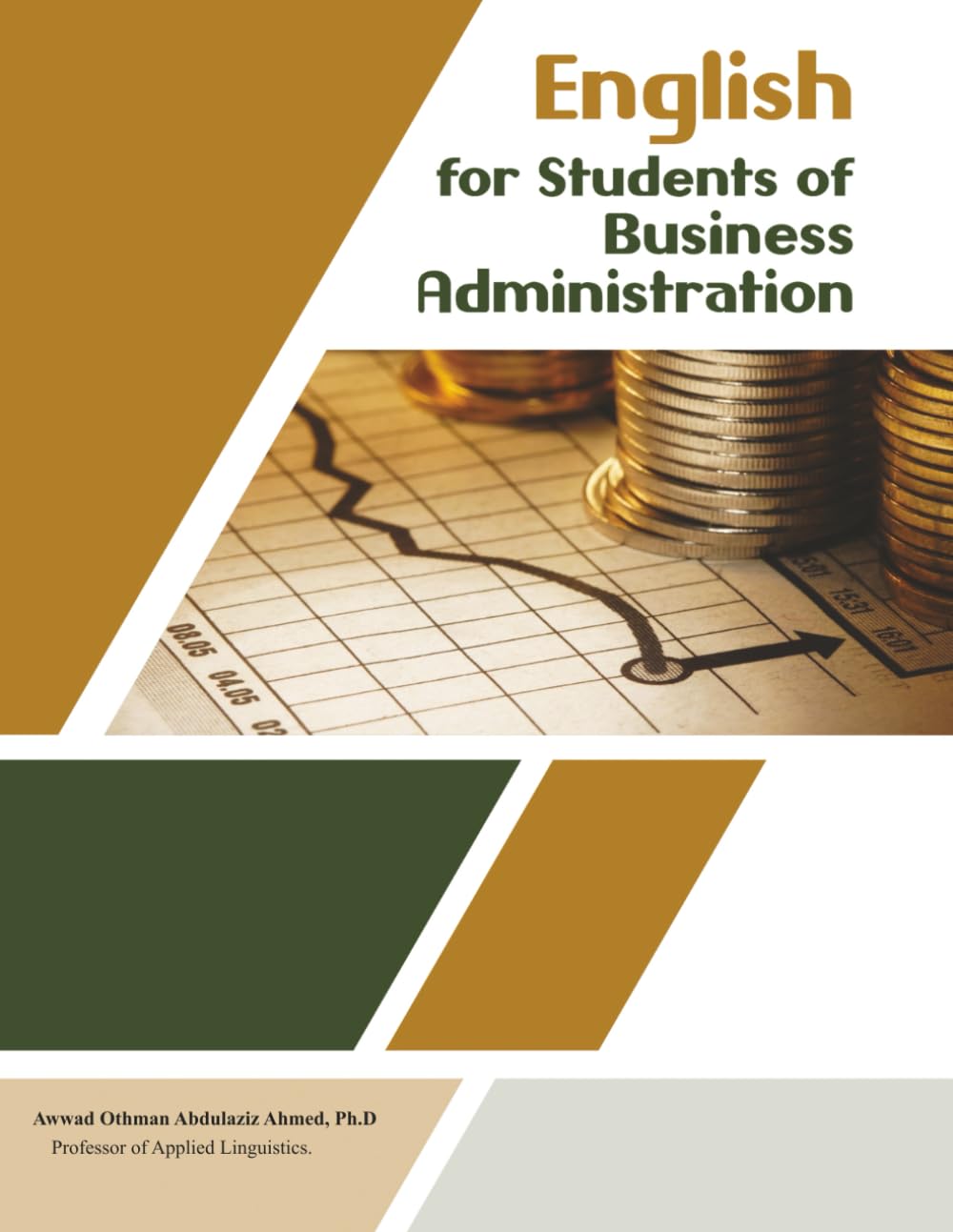
For students and professionals eager to strengthen these skills, English for Students of Business Administration by Dr. Awwad Othman Abdulaziz Ahmed is an excellent resource. The book provides vocabulary, expressions, and real-world scenarios that prepare readers to communicate with confidence in group discussions and boardroom talks.
Grab your copy now: https://www.amazon.com/dp/1917553056/.