Leadership can feel lonely, especially when the role asks you to stay calm while everything around you feels uncertain. New managers are often expected to know the answers, steady the team, handle pressure, make decisions, and carry responsibility without showing how heavy it feels. In those moments, one trusted person can make all the difference.
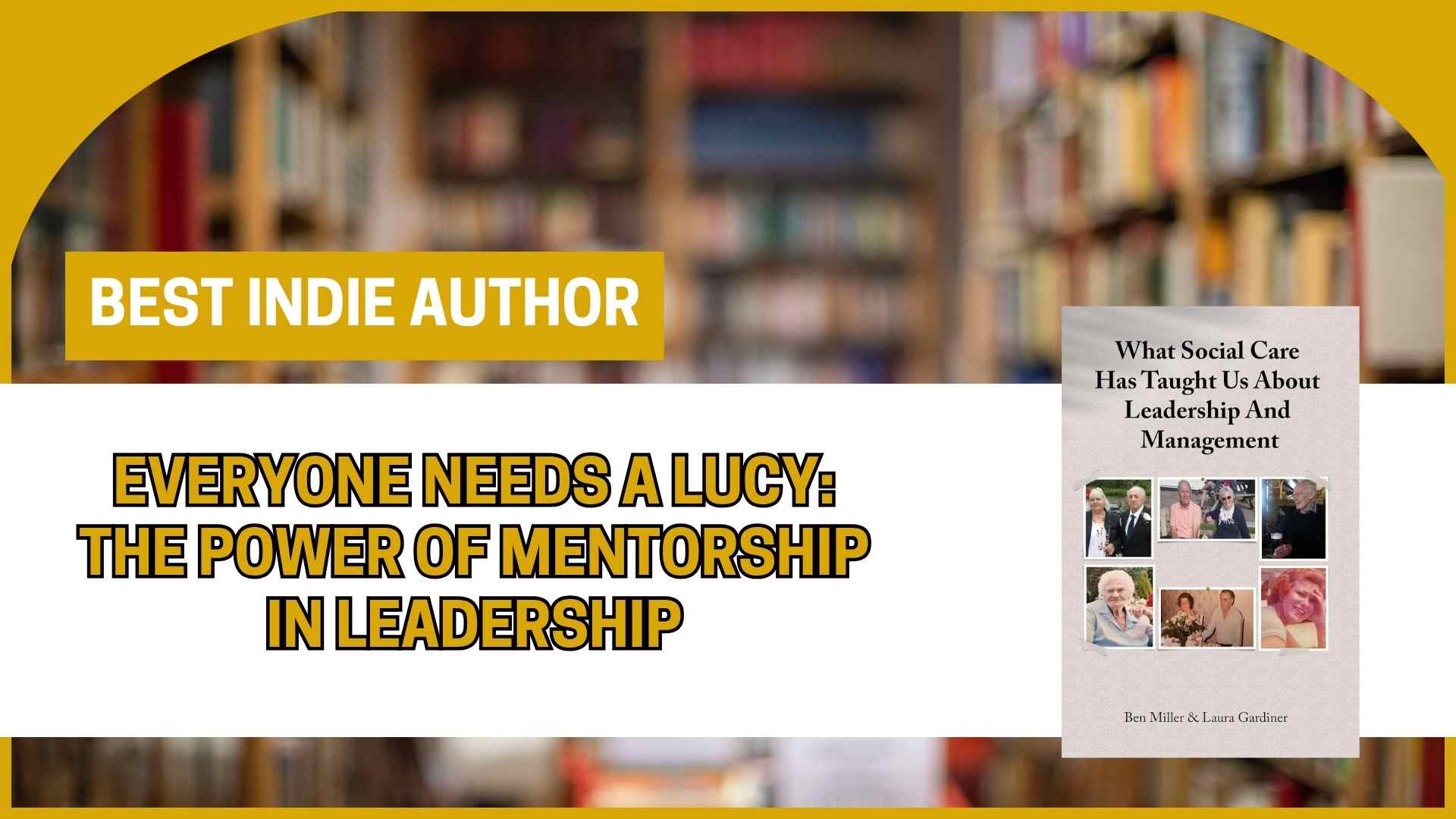
That is the message behind What Social Care Has Taught Us about Leadership and Management by Ben Miller and Laura Gardiner. The book shows that strong leadership is not built by pretending to have everything under control. It is built through reflection, guidance, honesty, and the courage to reach out before pressure becomes too much.
The idea that “everyone needs a Lucy” captures something deeply important. A mentor does not have to take over. They do not need to solve every problem or give perfect answers. Sometimes, their greatest value is helping a leader pause before reacting, think before deciding, and see a situation from a clearer angle. A good mentor can calm the noise, challenge the panic, and remind a manager that one difficult moment does not define their ability to lead.
In social care, this kind of support is essential. Managers face emotional situations, staffing pressures, inspections, family concerns, safeguarding matters, and the constant responsibility of protecting people’s dignity and wellbeing. Policies can explain what must be done, but mentors help leaders understand how to carry it. They offer perspective when confidence shakes. They help turn mistakes into learning instead of shame.
Ben Miller and Laura Gardiner write with the honesty of people who know the reality of leadership from the inside. Their book does not offer distant theory. It gives lived experience, practical wisdom, and reassurance for people who may feel thrown into responsibility before they feel ready. It speaks to new managers, experienced leaders, and anyone who has ever needed someone steady beside them.
Mentorship also protects potential. Without support, capable leaders can burn out, withdraw, or leave management altogether. With the right mentor, they can grow into the role, make better decisions, and become more confident in their own judgement. The right guidance can save a career, strengthen a service, and improve the care experienced by everyone connected to it.
What Social Care Has Taught Us about Leadership and Management reminds readers that no leader should have to struggle alone. Everyone needs someone who will listen without judgement, speak with honesty, and help them find their footing again.
For anyone leading in social care, aspiring to management, or supporting those who do, this book is a valuable reminder that leadership is not a solitary journey. Every leader needs a Lucy.