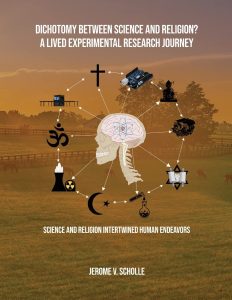
Jerome V. Scholle’s monumental work, “Dichotomy Between Science and Religion? A Lived Experimental Research Journey Science and Religion Intertwined Human Endeavors,” serves as a gateway into the intricate world of translating ancient Greek texts, particularly those woven into the sacred fabric of the Bible. This article embarks on an enlightening journey, unraveling the complexities surrounding this formidable challenge and shedding light on the profound implications of nuanced word choices in the interpretation of religious verses.
Unraveling Linguistic Complexity:
Scholle’s meticulous exploration of the Greek texts of the Gospels lays bare the layers of linguistic complexity inherent in this scholarly undertaking. Ancient Greek, with its intricate verb conjugations and syntactical structures, presents a rich tapestry that demands careful unraveling to grasp the nuanced meanings embedded in biblical passages.
Theological Perspectives at Play:
A cornerstone illuminated by Scholle’s work is the profound influence of theological perspectives on translation choices. The interplay between a translator’s beliefs and their linguistic decisions introduces a subjective layer, shaping the lens through which religious texts are understood. It underscores the delicate dance between faith and linguistic precision.
Case Study: Unveiling Nuances in a Verse:
To exemplify the weight of translation choices, we turn to a case study. A from the Gospels becomes our lens, allowing us to scrutinize Scholle’s translation alongside well-known versions like the New International Version (NIV). Through this comparative analysis, subtle yet impactful differences in word choices emerge, revealing the theological implications that ripple through these translations.
Cultural Context in Translation:
Navigating the intricate landscape of ancient texts demands more than linguistic prowess; it requires a profound understanding of the cultural milieu in which they originated. Scholle’s approach takes into account these cultural nuances, emphasizing the importance of cultural awareness in ensuring the fidelity of the translation process and preventing potential misinterpretations.
Theological Implications and Doctrinal Discourse:
Divergent translation choices can birth theological implications and ignite doctrinal debates within religious communities. The varying interpretations stemming from these choices underscore the dynamic nature of religious discourse. This section delves into how such nuanced differences contribute to the ongoing dialogue within the realm of faith.
Interfaith Dialogue: The Role of Translation:
Zooming out from individual faith communities, we explore the broader landscape of interfaith dialogue. Translation, as a critical player in these exchanges, shapes conversations between individuals of diverse religious backgrounds. Scholle’s work prompts contemplation on the profound impact translation choices wield in fostering understanding and respect within these interfaith discussions.
Deciphering the Divine Discourse:
In conclusion, Scholle’s journey not only serves as a testament to the challenges of translating ancient Greek texts but beckons scholars and enthusiasts to ponder the broader implications of this scholarly pursuit. The meticulous unraveling of linguistic intricacies, the dance between theology and translation, and the far-reaching consequences of nuanced choices all contribute to the enduring quest for a more profound understanding of sacred texts. Through Scholle’s lens, we glimpse the ongoing dialogue between the ancient and the contemporary—a dialogue essential for maintaining the richness and authenticity of our spiritual heritage.