Family is often the first place where a person learns what it means to trust, communicate, cooperate, and care for others. Long before children understand the wider world, they begin forming ideas about safety, love, responsibility, and belonging through the people closest to them. These early relationships influence emotional growth, social behaviour, confidence, and the ability to build healthy connections later in life.
From infancy, children depend on family members for comfort and protection. A parent’s voice, touch, and presence help create a sense of security. When children feel safe, they are more willing to learn, ask questions, take reasonable risks, and express their emotions. This support does not remove every difficulty, but it gives children a stable foundation from which they can face unfamiliar situations.
Family life also teaches communication. Children learn how to speak, listen, respond, and resolve disagreements by watching the people around them. They notice how adults handle frustration, disappointment, affection, and conflict. Words matter, but behaviour often teaches the stronger lesson. A child who regularly sees patience and respect is more likely to understand the value of treating others in the same way.
Shared routines help strengthen these lessons. Family meals, bedtime stories, holidays, school traditions, and ordinary conversations create a sense of continuity. These moments may appear simple, but they help children understand that they are part of something larger than themselves. Traditions connect generations and give family members a shared history that can provide comfort during difficult times.
Family bonds also influence confidence. Encouragement from parents, grandparents, siblings, and other trusted relatives can help children believe in their abilities. When mistakes are treated as opportunities to learn rather than reasons for shame, children become more resilient. They begin to understand that failure is not the end of effort and that growth often requires patience.
The influence of family continues into adulthood. People often carry childhood lessons into friendships, marriages, parenting, and professional relationships. Some repeat the examples they were given, while others make conscious decisions to create healthier patterns. In either case, early family experiences remain part of how a person understands closeness, loyalty, responsibility, and love.
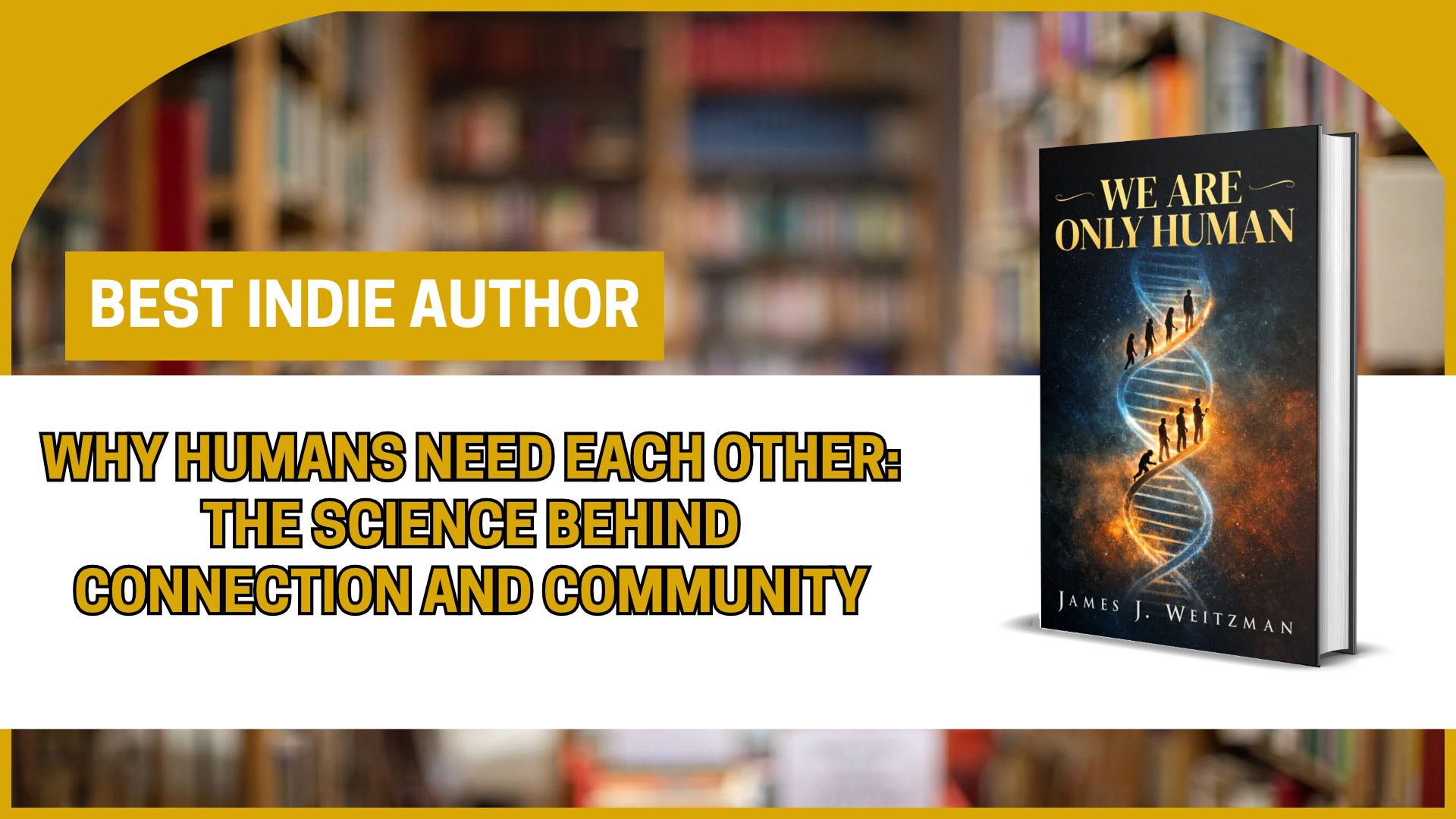
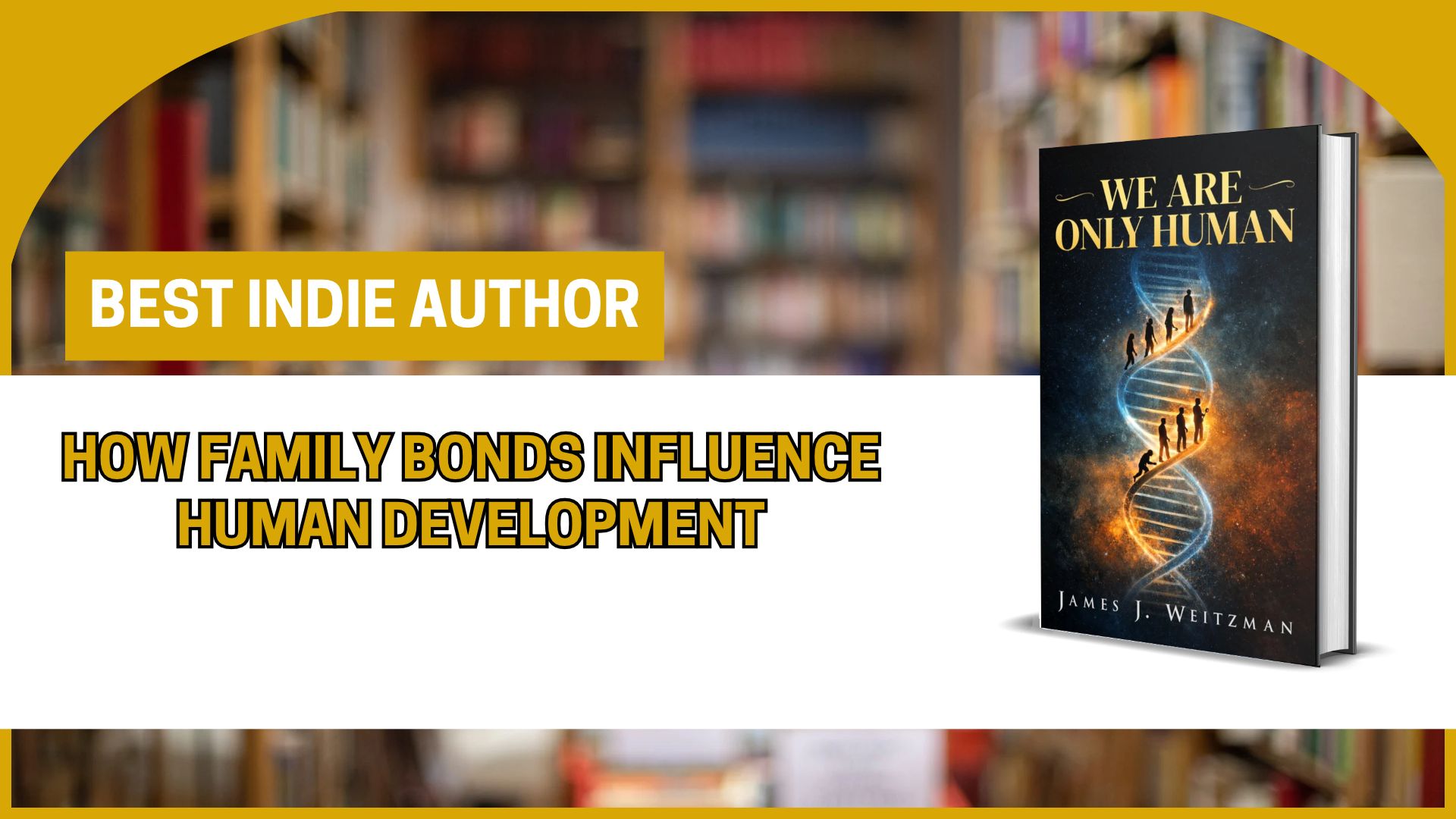
In We Are Only Human, James J. Weitzman considers family as one of the strongest forces shaping human nature. Through personal memories, observations about childhood, and reflections on human evolution, he shows how families pass down more than physical traits. They also pass down humour, values, stories, habits, fears, courage, and ways of seeing the world.
The book reminds readers that human development does not happen in isolation. We become who we are through countless moments of guidance, care, correction, laughter, and shared experience. We Are Only Human offers a thoughtful look at the bonds that shape us and the family memories that remain part of us throughout life.
Read the Book on Amazon: https://a.co/d/07sgn6TM