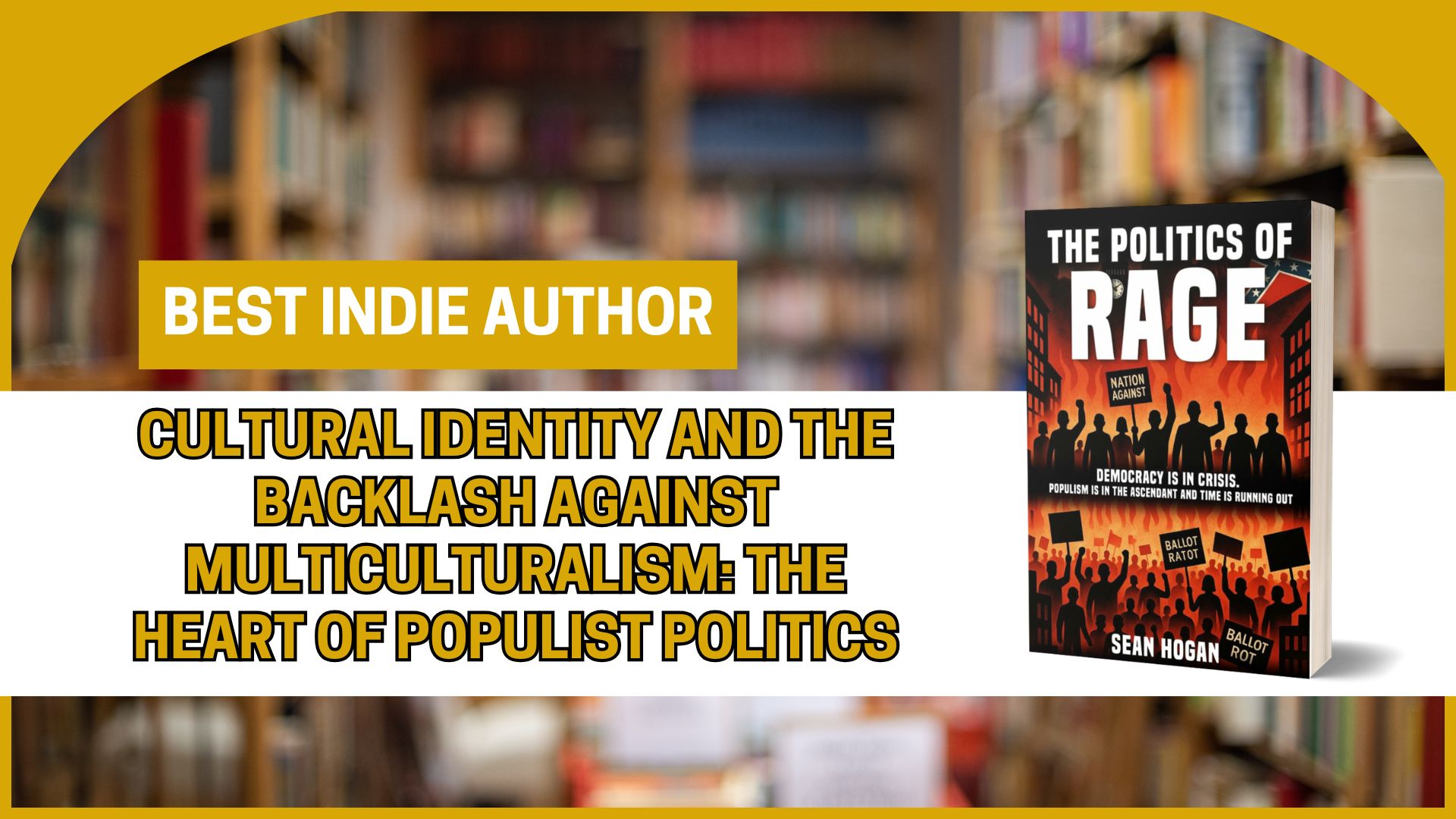
Cultural identity has become a central issue in contemporary populist politics. As societies become more diverse due to globalization and immigration, the concept of national identity is being increasingly contested. Populist leaders, such as Donald Trump, Nigel Farage, and others, have leveraged fears about changing demographics and the perceived erosion of traditional values to fuel their political rise. In The Politics of Rage, the author explores how populism taps into anxieties surrounding multiculturalism, using these concerns to rally support and shape a divisive political agenda.
Multiculturalism, the idea of embracing diverse cultures within a single society, has long been a cornerstone of progressive politics. However, in recent years, populist movements have framed multiculturalism as a threat to national identity. Populist leaders argue that the influx of immigrants and the promotion of multicultural values undermine the social cohesion and cultural traditions of their countries. They present a vision of national identity that is rooted in homogeneous, often nostalgic notions of the past, which appeals to people who feel that their way of life is being displaced.
One of the core tenets of populist rhetoric is the division between “the people” and “the elite,” with the elite accused of promoting policies that benefit immigrants and undermine native populations. In The Politics of Rage, the author illustrates how populist leaders have used the fear of cultural dilution to fuel their political campaigns, particularly in the context of immigration. By framing immigrants as outsiders who threaten national values, populist leaders mobilize support from those who feel that their cultural identity is under siege. This rhetoric often appeals to working-class citizens who have experienced economic dislocation due to globalization and immigration, creating a potent mix of cultural and economic anxieties.
The backlash against multiculturalism also taps into broader concerns about social change. As the population becomes more diverse, many people feel uncertain about their place in society. Populists exploit this fear by presenting themselves as defenders of traditional values, offering a sense of security in an increasingly uncertain world. Their rejection of multiculturalism is framed as a defense of national heritage, family values, and social order, appealing to those who feel that these values are being eroded by progressive policies.
However, the populist critique of multiculturalism often oversimplifies complex issues and ignores the benefits of diversity. While multiculturalism can present challenges, it also enriches societies by fostering greater understanding and innovation. Populist leaders, by focusing on the negative aspects of diversity, create a vision of society that is divided, rather than united by shared values. In The Politics of Rage, the author emphasizes how this division is central to the populist agenda, as it creates a sense of “us versus them” that bolsters the populist cause.
Ultimately, the backlash against multiculturalism is at the heart of modern populist politics. By capitalizing on fears about cultural identity, populist leaders are able to galvanize support and build a political base. In doing so, they contribute to a broader cultural and political polarization that challenges the values of liberal democracy. The Politics of Rage provides a compelling analysis of how populism manipulates cultural identity to advance its agenda, offering critical insights into the growing divide between different political and cultural factions in today’s world.
Find out in this essential read, available on Amazon https://www.amazon.com/dp/B0FHBDWJD4/