If you have ever caught your child staring at a butterfly, chasing ants or asking a million questions about “what that bug is,” then you already know kids are naturally drawn to the world around them.
The real question is: how do you nurture that curiosity in a way that’s fun, engaging and meaningful?
The answer often starts with the right book.
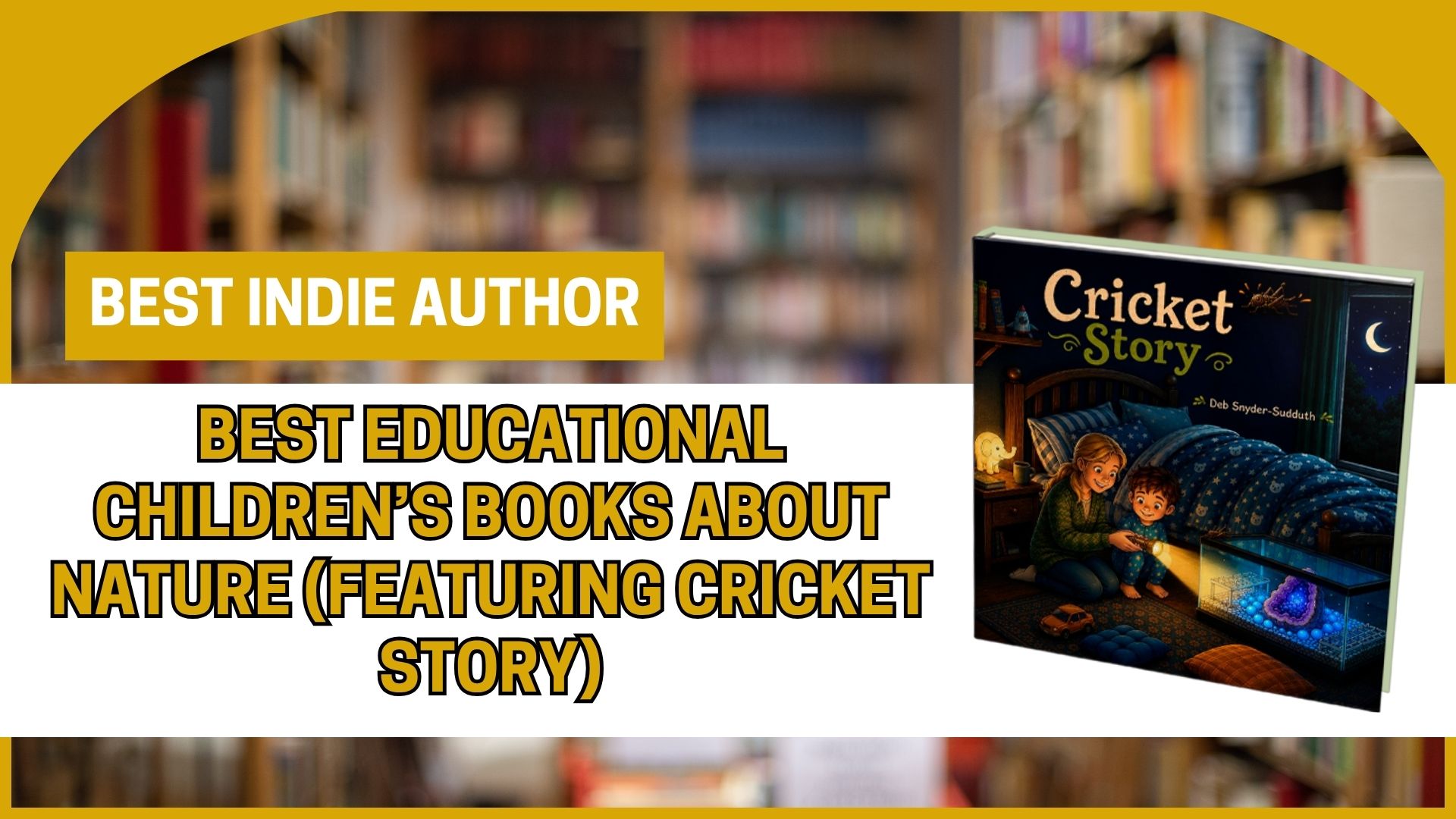
Nature-themed children’s books have a unique ability to turn everyday moments into exciting discoveries. They don’t just tell stories, they spark questions, encourage exploration and help kids see the world differently. And among these, one standout title worth adding to your list is Cricket Story by Deb Snyder-Sudduth.
Why Nature Books Matter for Kids
Before we dive into what makes Cricket Story special, let’s talk about why nature books are so powerful in the first place.
Children learn best when they are emotionally engaged. When a story connects with their curiosity, it sticks far longer than facts alone ever could. Books about nature do exactly that: they combine storytelling with discovery.
They help children:
- Understand the environment around them.
- Develop empathy for living creatures.
- Replace fear with fascination.
- Build observation and critical thinking skills.
And perhaps most importantly, they encourage kids to look closer.
What Makes Cricket Story Stand Out
There are plenty of educational books about animals and insects, but Cricket Story brings something refreshingly simple and relatable to the table.
Instead of overwhelming young readers with information, it starts with a familiar situation, a mysterious chirping sound at night.
From there, the story follows Dean, a curious young boy determined to uncover the source of the noise. What unfolds is a gentle, engaging journey of discovery that introduces children to the world of crickets in a way that feels natural and exciting.
What makes it work so well?
- Relatable storytelling: Kids see themselves in Dean’s curiosity
- Subtle learning: Facts are woven into the narrative, not forced
- Emotional connection: The cricket becomes a character, not just an insect
- Confidence building: Curiosity replaces fear step by step
By the end of the story, children aren’t just informed, they are inspired.
Encouraging Real-World Exploration
One of the best things about books like Cricket Story is what happens after the last page.
Suddenly, your child might:
- Listen more carefully to nighttime sounds.
- Ask to explore the garden or backyard.
- Show interest in insects instead of avoiding them.
That’s when you know a book has done its job.
It hasn’t just entertained, it’s changed the way your child interacts with the world.
A Must-Have for Curious Young Minds
If you are building a collection of educational books about nature, Cricket Story deserves a spot on your shelf.
It’s perfect for:
- Bedtime reading
- Classroom storytelling
- Quiet learning moments at home
And most importantly, it creates a shared experience, one where parents and children can learn, wonder and explore together.
Final Thoughts
The best children’s books don’t feel like lessons.
They feel like adventures.
And Cricket Story captures that beautifully. It takes something as small as a cricket and turns it into a big opportunity for learning, curiosity and connection.
Because sometimes, all it takes is one small story to open a child’s eyes to a much bigger world.