America’s healthcare system is often described in terms of crisis: rising costs, uneven access, fragmented care and outcomes that lag behind other high-income nations. Policy debates typically orbit familiar targets: insurance coverage, reimbursement models, pharmaceutical pricing, hospital consolidation and digital innovation. Yet despite decades of reform efforts and trillions of dollars in spending, the system continues to underperform where it matters most: patient health.
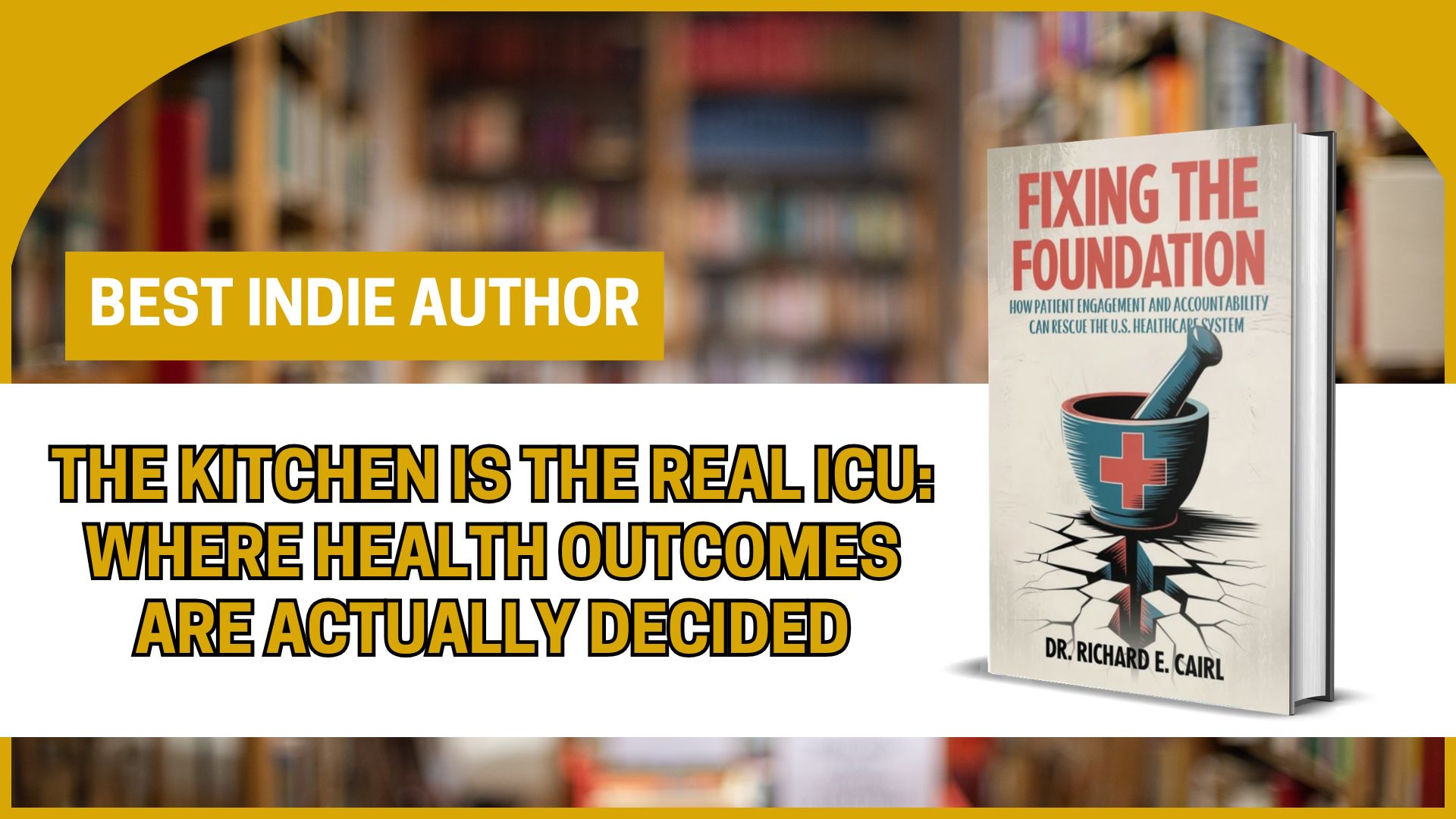
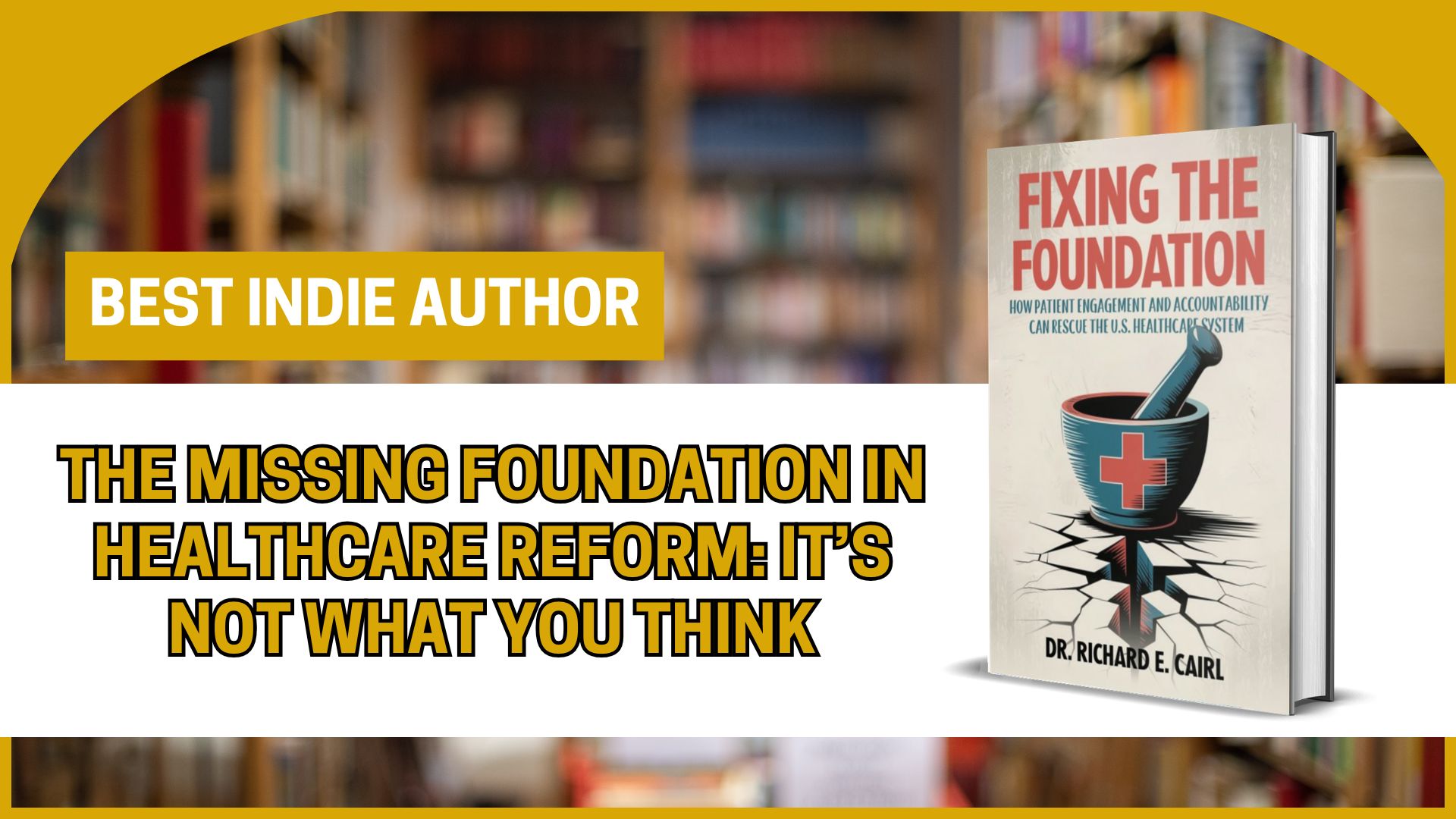
In Fixing the Foundation, Dr. Richard E. Cairl argues that the true missing piece in healthcare reform is not structural alone, but behavioral and relational. Beneath the visible architecture of hospitals, policies and technologies lies a deeper, often neglected layer of the active participation of patients in their own care. Without patient engagement and accountability as foundational pillars, even the most sophisticated reforms remain incomplete.
The central thesis is both simple and disruptive: America does not only have a healthcare delivery problem; it has a co-production problem. Health outcomes are not produced in clinics alone but are shaped daily in homes, workplaces, grocery stores and moments of personal decision. Medication adherence, diet, physical activity, early symptom recognition and honest communication with providers determine whether medical interventions succeed or fail. Yet these behaviors are rarely treated as integral to the system itself.
Dr. Cairl’s analysis reframes healthcare as a shared enterprise. On one side are clinicians, institutions and policymakers tasked with delivering evidence-based care. On the other are patients whose choices determine whether that care achieves lasting impact. When either side fails to engage fully, the system fractures. When both align, outcomes improve dramatically.
This perspective challenges a long-standing assumption in American healthcare: that patients are primarily recipients of care rather than co-authors of health. In reality, most chronic conditions, including cardiovascular disease, diabetes and obesity, are shaped far more by daily behavior than by episodic clinical intervention. A prescription may stabilize blood pressure, but it is the patient’s adherence, monitoring and lifestyle adjustments that sustain that stability.
The book also highlights a growing tension in modern reform efforts. While technology, including artificial intelligence and digital health tools, is transforming clinical practice, it cannot substitute for human accountability. AI can remind, track and guide but it cannot choose. The future of healthcare, therefore, depends not only on smarter systems but on more engaged individuals operating within them.
Importantly, Fixing the Foundation does not place blame on patients. Instead, it calls for a redesigned social contract in healthcare, one where engagement is expected, supported and made easier through system design. Providers must communicate clearly and build trust. Policymakers must align incentives with participation. Technology must reduce friction, not add complexity. And patients must be empowered to participate actively in their health journey.
The implications are profound. Without patient engagement and accountability embedded into the foundation of reform, healthcare systems risk remaining reactive rather than preventive, expensive rather than efficient and fragmented rather than integrated. With it, the system can shift toward sustainability, equity and resilience.
Ultimately, Dr. Cairl’s work reframes the question entirely. The issue is not simply how to fix healthcare delivery, but how to activate the most underutilized resource in the system: the patient.
Fixing the Foundation is a call to rethink reform from the ground up. It challenges policymakers, clinicians and patients alike to reconsider their roles not as isolated actors, but as partners in a shared mission. In doing so, it offers a path toward a healthcare system that does not merely treat disease, but truly produces health.