For a deaf child, the world can feel confusing long before they have the words to explain why. A teacher speaks while facing the board. Children laugh at something that was missed. Someone calls from another room and becomes irritated when there is no response. To a hearing person, these may seem like small moments. To a deaf person, they can become part of daily life.
One of the biggest misunderstandings about deafness is the belief that hearing aids solve everything. They do not restore hearing in the same way glasses correct sight. Sounds can be distorted, uncomfortable, overwhelming, or difficult to identify. A person may hear something without understanding what was said.
Lip reading presents another challenge. It requires constant concentration. Many words look similar on the lips, and conversations become harder when several people speak at once, turn their faces away, cover their mouths, or move around the room. What looks like silence or lack of interest may actually be someone working intensely to follow the conversation.
Deaf people are also sometimes judged because of speech patterns or written language. Someone may be labelled rude because they did not answer. A child may be called difficult because they missed an instruction. A person may be considered less intelligent because their sentence structure is different. These judgments can leave lasting marks.
Communication does not belong only to sound. Facial expressions, body language, sign language, eye contact, written words, touch, vibration, and simple patience can all carry meaning. Sometimes the most important thing a hearing person can do is face the person they are speaking to and give them time.
Growing up deaf can also create strong observational skills. When sound cannot always be trusted, the eyes begin to notice movement, expressions, changes in behaviour, and details that others may overlook. Adaptation becomes part of everyday life.
Understanding deafness starts with recognising that the person is not the problem. Communication works best when everyone takes responsibility for making the connection possible.
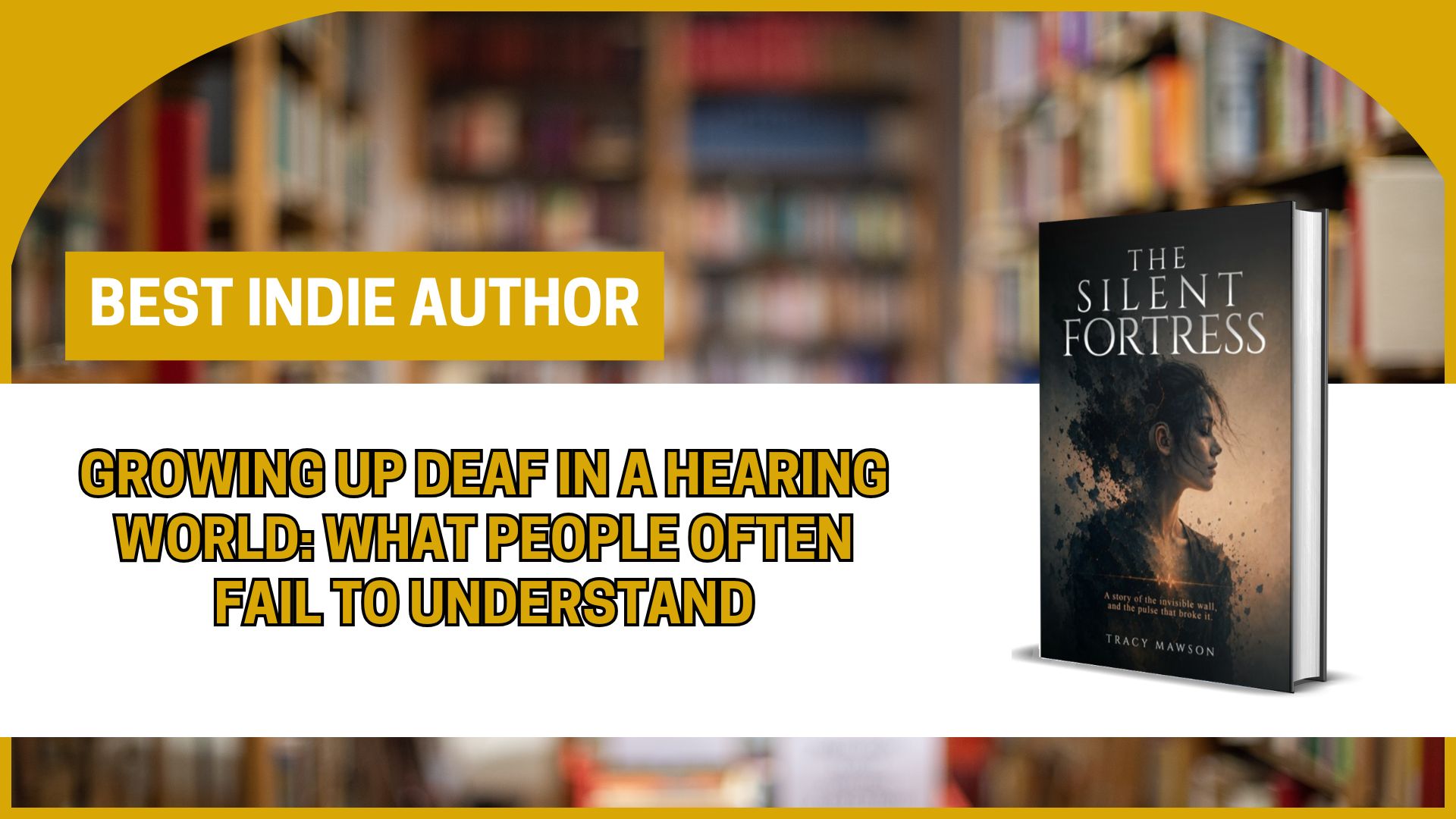
In The Silent Fortress, Tracy Mawson shares what it was like to grow up deaf while facing misunderstanding, rejection, family trauma, and a world that repeatedly expected her to change in order to belong.
Her memoir follows the frightened child who once found comfort in a yellow pencil, the young woman searching for independence, the wife and mother who built the loving family she had always wanted, and the survivor who eventually reclaimed her voice.
The Silent Fortress is a deeply personal story about deafness, family, survival, motherhood, sobriety, belonging, and the courage to keep moving forward when life refuses to make the road easy.