Helping children navigate the dark is something that we parents used to do mostly for our children. It is one of the earliest fears that they might face. Whether it is the literal shadows of a bedroom at night or the metaphorical darkness of fear, uncertainty, and sudden anxiety, it is one of the most tender challenges parents face.
When the lights go out, a young imagination can quickly turn ordinary corners into daunting landscapes, and the weight of a difficult day can feel overwhelming. Children do not need quick dismissals of their fears, as they wouldn’t help them to stabilize. So, what should be done? We, as parents, need to provide them with practical tools, a reassuring presence, and a gentle reminder that they are never alone. Equipping kids to face the dark with courage helps build lifelong emotional and spiritual resilience.
Here are eight meaningful, heart-centered tips to help children face the dark with confidence and peace:
- Validate their feelings without feeding the fear. When a child says they are scared of the dark, avoid telling them there is nothing to be afraid of. Instead, acknowledge their reality by saying, “It can feel really quiet and big in here when the lights are off, can’t it?” Validating their emotions makes them feel safe and understood.
- Trust God as the ultimate anchor. Teach your children that the dark is never empty because God is always present with them. Share comforting verses like Psalm 139:12, reminding them that even the darkness is as bright as the day to Him, turning bedtime prayers into a powerful shield against fear.
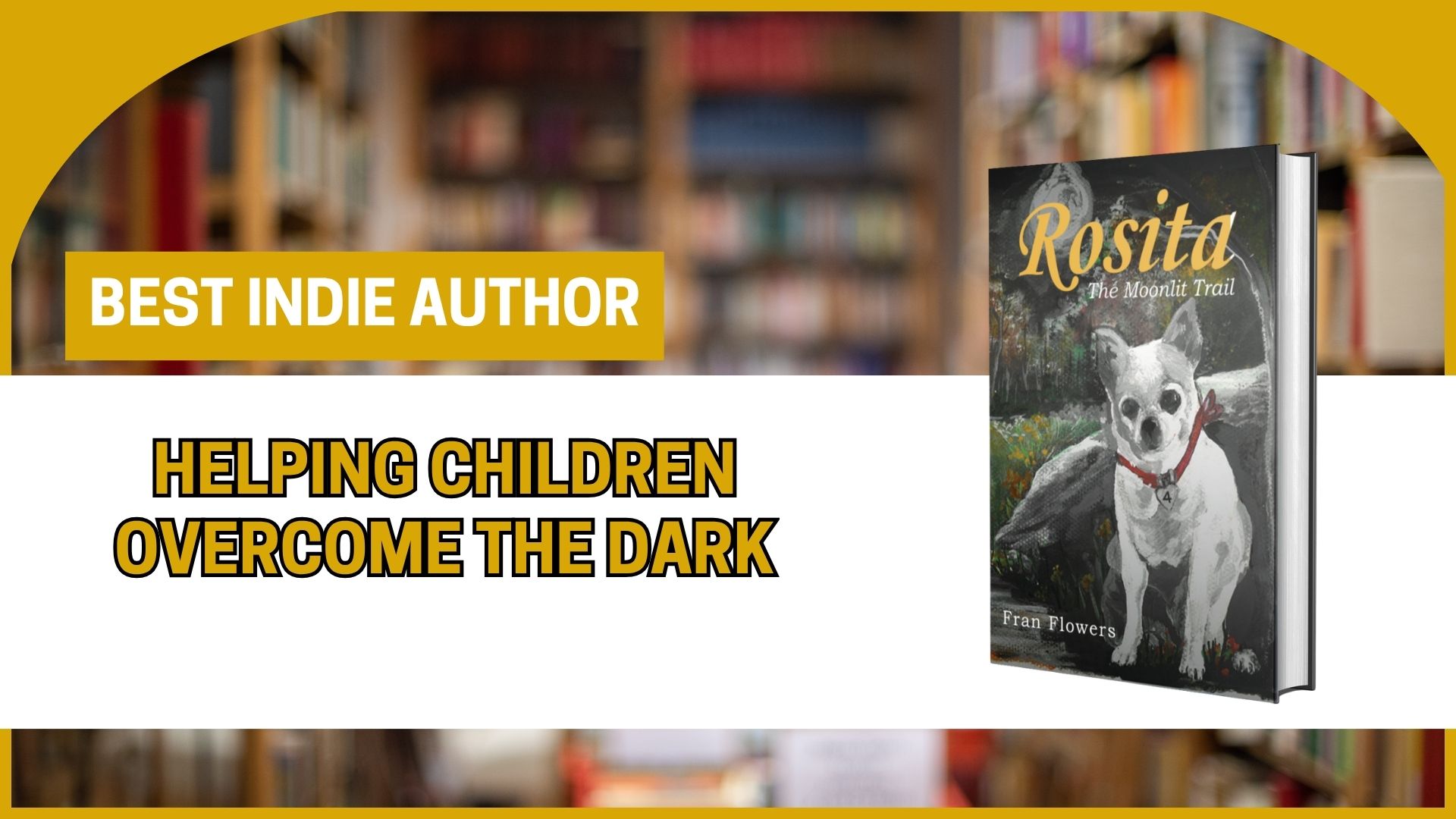
- Read wholesome, comforting stories together. Sharing uplifting literature at bedtime, such as Fran Flowers’ Rosita: The Moonlit Trail, helps children process their anxieties through engaging adventures. Reading stories where characters overcome perilous trials alongside loyal companions provides a comforting mirror for a child’s own courage.
- Establish a peaceful, predictable bedtime routine. A calm wind-down ritual signals to a child’s nervous system that it is safe to let go of the day. Consistent steps—like a warm bath, soft conversation, and quiet reflection—create a predictable boundary between the chaos of the day and the rest of the night.
- Introduce comforting ambient light and soft sounds. A gentle nightlight that casts warm, friendly shapes or a quiet sound machine playing soothing white noise can break the stark, intimidating silence of a dark room without disrupting deep, restorative sleep.
- Empower them with a “bravery tool.” Give your child a tangible item to hold onto when fear creeps in, such as a special blanket, a small flashlight they are allowed to use, or a stuffed animal that acts as their brave guardian through the night hours.
- Play shadow games during daylight hours. Demystify the dark by playing with shadows in a lit room or turning off the lights for just a few seconds during the afternoon. Laughter and play transform the dark from a scary unknown into something familiar and fun.
- Talk about their worries before the lights go out. Create a dedicated space during evening prayers or tuck-in time to “empty the backpack” of any lingering worries, fears, or sadness, ensuring they do not carry those heavy emotional shadows into their sleep.
Rosita: The Moonlit Trail by Fran Flowers is a heartwarming Christian fiction adventure set against the scenic and rugged backdrop of the Smoky Mountains. The story follows a young protagonist navigating high-stakes challenges, trauma, fear, and deep loneliness, who finds an unwavering anchor in an intuitive, loyal canine companion named Rosita. Through perilous journeys, midnight rescues, and quiet moments of comfort, Rosita acts as a steadfast protector and emotional guide. Blending themes of unwavering faith, prayer, and regional history, the narrative demonstrates how unconditional loyalty and trust in God can help children overcome adversity and heal even the deepest wounds.
Read the book on Amazon: https://www.amazon.com/stores/author/B007YLWRI6/allbooks