The ocean is home to some of the largest and most remarkable animals on Earth, but even creatures as powerful as whales depend on a delicate balance of temperature, food, and habitat. When ocean temperatures rise, that balance can begin to change.
Whales rely on healthy marine ecosystems for survival. Many species travel long distances each year to feed, breed, and raise their young. Changes in ocean temperature can affect where their food is found, which can force whales to travel farther or change their usual feeding patterns.
Small marine organisms are especially important because they form the foundation of the ocean food chain. Krill, plankton, and small fish support larger animals, including whales, seals, seabirds, and many species of fish. If warmer water changes where these organisms live or reduces their numbers, animals higher in the food chain can struggle to find enough to eat.
Ocean warming can also influence currents. Currents move nutrients through the water and help create productive feeding areas. When these patterns change, marine animals may find that familiar feeding grounds no longer provide the same amount of food.
Whales are not the only animals affected. Sea turtles, fish, coral communities, and other marine species can experience changes in migration, breeding, feeding, and habitat. Some animals may move toward cooler waters, while others may have fewer suitable places to live.
These changes show how closely connected ocean life really is. A shift affecting one species can influence many others. Protecting marine environments therefore means caring for the entire system rather than focusing on only one animal.
Helping kids understand these connections can be easier through storytelling. A whale searching for food or a turtle facing changes in the ocean gives young readers a character and situation they can understand.
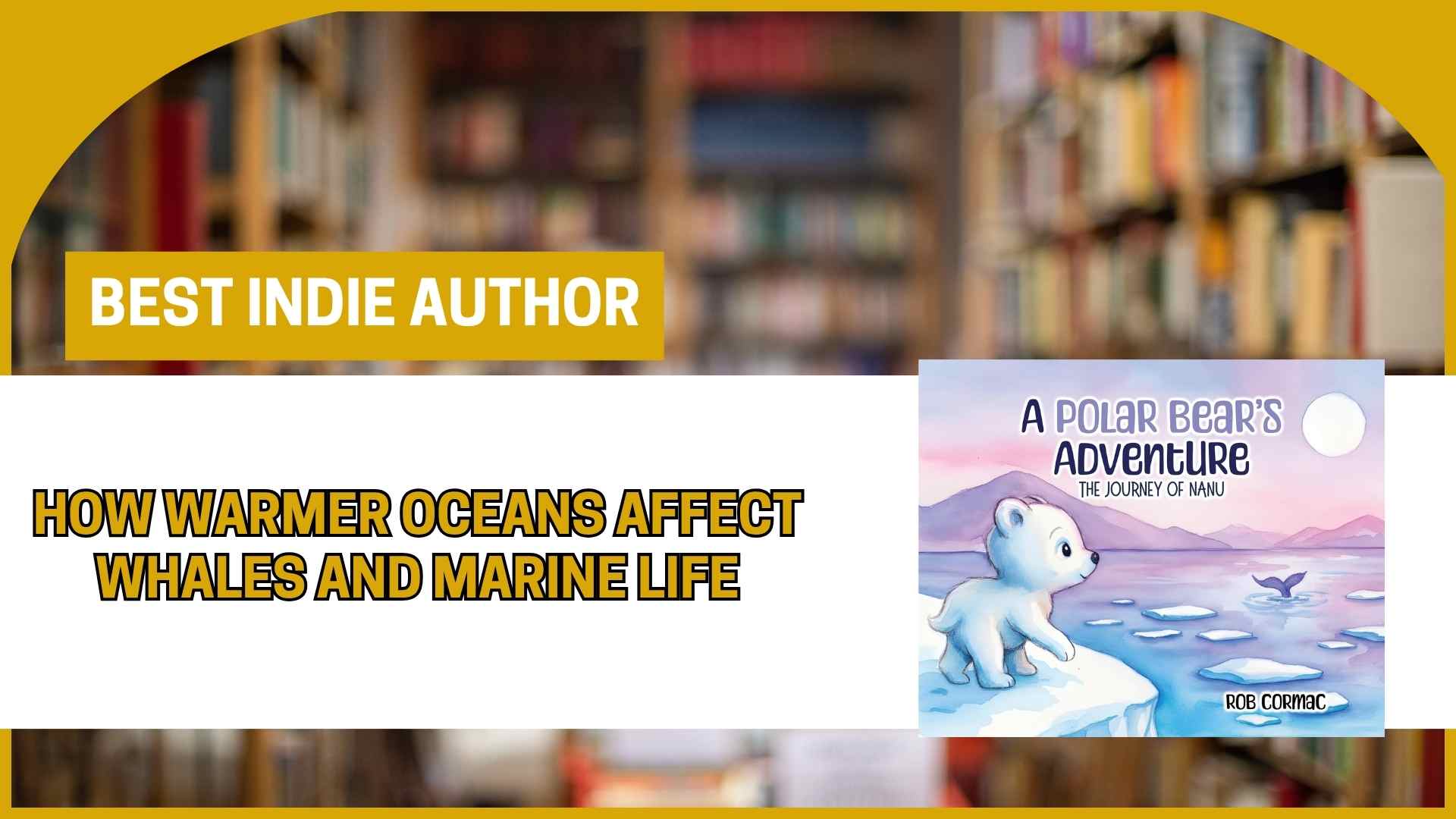
In A Polar Bear’s Adventure: The Journey of Nanu by Rob Cormac, Nanu leaves his Arctic home and meets animals facing environmental challenges of their own. One of his memorable encounters is with a blue whale who explains that warmer ocean water can make food harder to find.
Nanu’s journey continues through different habitats as he meets penguins, pandas, sea turtles, elephants, and tigers. Through each encounter, young readers see that animals around the world depend on healthy homes, clean water, safe forests, and stable environments.
The Journey of Nanu gives families an engaging way to begin conversations about oceans, wildlife, and environmental responsibility. Through Nanu’s curiosity, kids can discover that protecting the planet also means protecting the animals that depend on it.
Read this book, available on Amazon: https://www.amazon.com/dp/1972989480/