When Alicia McCormick, PhD, first imagined becoming a foster parent, she did not expect the experience to completely reshape what she understood about babies, trauma, attachment and caregiving.
But after fostering dozens of babies, that is exactly what happened.
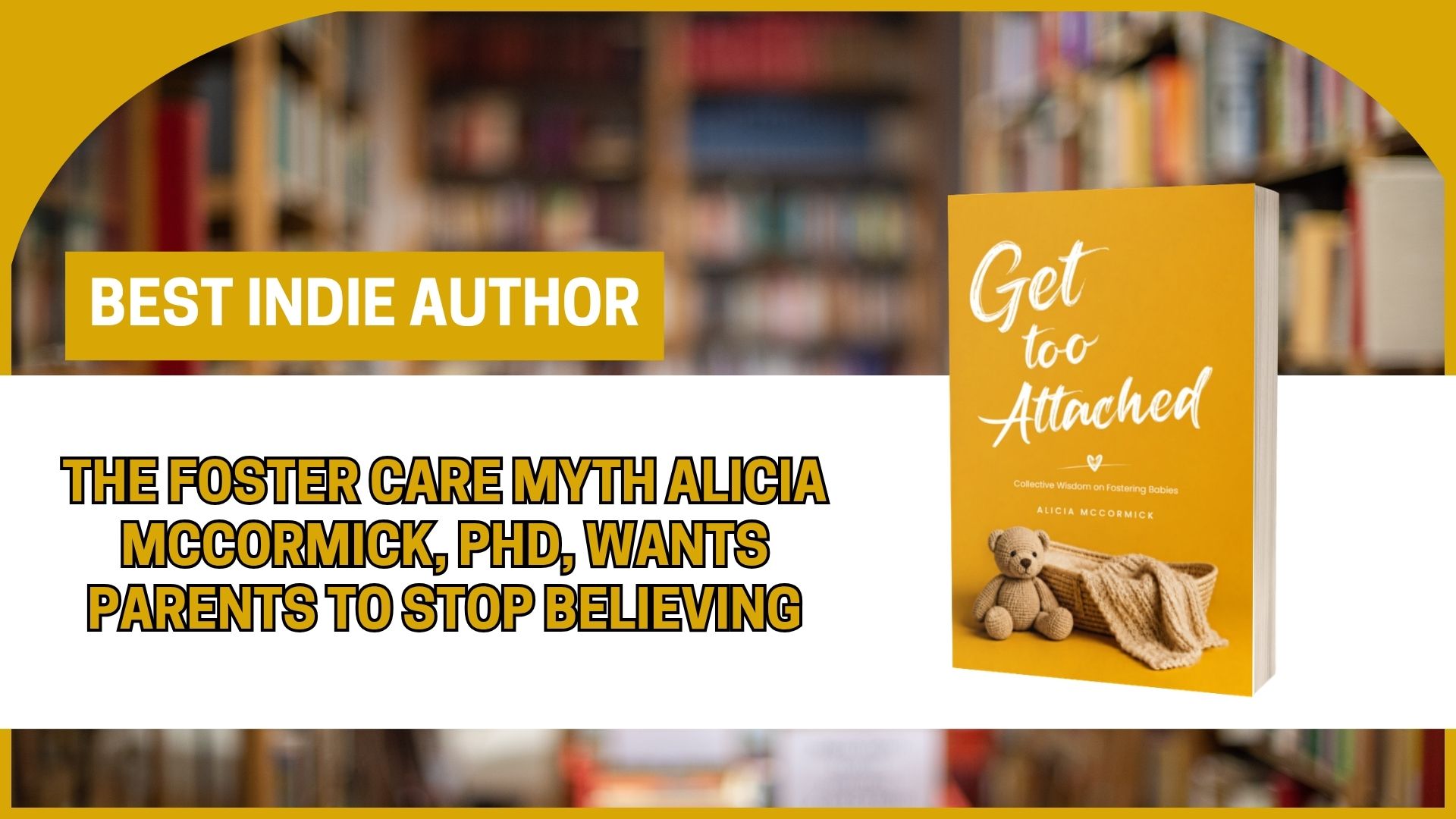
In her forthcoming book, Get Too Attached: Collective Wisdom on Fostering Babies, McCormick combines her own experience with the stories of other foster parents to explore what it really means to care for infants who enter foster care.
Her biggest lesson?
Babies come with stories, even when they are too young to tell them.
Babies Can Experience Trauma
McCormick admits that, like many people, she once assumed newborns would not carry much trauma unless they had experienced prenatal substance exposure or withdrawal.
Experience changed that belief.
Over time, she began to recognize that babies can be affected by stressful pregnancies, instability, separation, unfamiliar caregivers, neglect, medical complications and the loss of the people and sensory experiences they knew before entering care.
A baby may not be able to explain why a new voice feels unfamiliar or why being held by a stranger is difficult.
But that does not make those experiences meaningless.
“Easy” Does Not Always Mean Everything Is Fine
Another lesson McCormick learned was not to judge a baby’s well-being simply by how quiet or easy they appear.
Some babies she cared for slept constantly and rarely cried. To outsiders, they might have seemed like dream babies.
But McCormick saw something more complicated.
Some struggled to eat or engage. Others later became more alert and expressive after weeks of stability. She also cared for babies experiencing intense withdrawal who cried frequently and had difficulty regulating enough to feed comfortably.
The experience taught her to look beyond appearances and pay attention to what each baby might be communicating.
Attachment Has to Be Built Intentionally
McCormick became deeply intentional about helping babies experience consistency and safety.
That meant holding them often, responding to crying, creating familiar routines, playing repeated songs, reading aloud and helping them become accustomed to her voice and presence.
She also learned the importance of early intervention. Physical therapy, occupational therapy, developmental services, medical support and trauma-informed education can all become important parts of helping foster babies thrive.
But just as important is the caregiver’s own regulation.
McCormick writes about taking care of herself so she can remain emotionally steady when a baby is distressed. Support groups, therapy, education and community became essential parts of her ability to continue fostering well.
Getting Attached Is Part of the Job
Perhaps the most important lesson is the one reflected in the book’s title.
McCormick has heard people say they could never foster because they would “get too attached.”
Her experience taught her the opposite lesson.
Foster babies need attachment.
They need adults willing to love them fully, even when the future is uncertain and even when reunification may eventually mean saying goodbye. McCormick describes foster parents not as people who avoid heartbreak, but as adults willing to carry some of that pain so the child does not have to carry as much alone.
That insight sits at the heart of Get Too Attached: Collective Wisdom on Fostering Babies.
After fostering dozens of babies, Alicia McCormick did not learn how to care less.
She learned how important it is to care more with knowledge, patience, support, advocacy and attachment.
Read the book on Amazon: https://a.co/d/021kJ9Y3