What begins as a disagreement over trade can eventually become something far more dangerous. When two powerful nations view each other’s economic progress as a threat, competition can extend beyond markets into diplomacy, military strategy, and national security. The growing rivalry between the United States and China illustrates how quickly economic disagreements can develop into broader international tensions.
Understanding this transformation matters because its consequences extend far beyond Washington and Beijing.
FROM ECONOMIC COOPERATION TO STRATEGIC RIVALRY
For decades, economic cooperation between the United States and China created opportunities for businesses, manufacturers, and consumers in both countries.
China’s economic reforms beginning in 1978 encouraged private enterprise, foreign investment, and international trade. These changes contributed to rapid industrial development, technological advancement, and the reduction of extreme poverty for hundreds of millions of people.
However, China’s growing economic influence also challenged established international power structures.
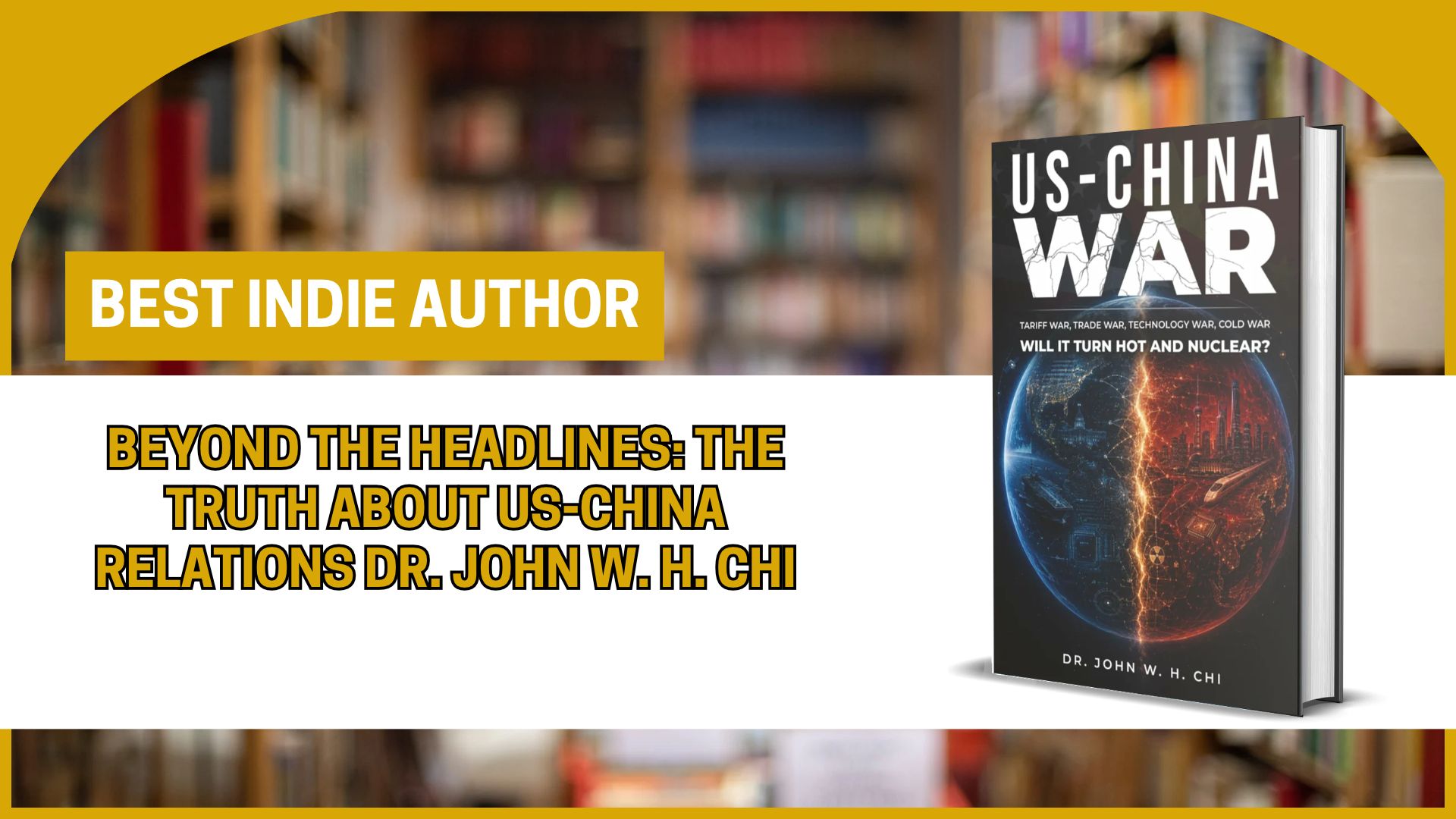
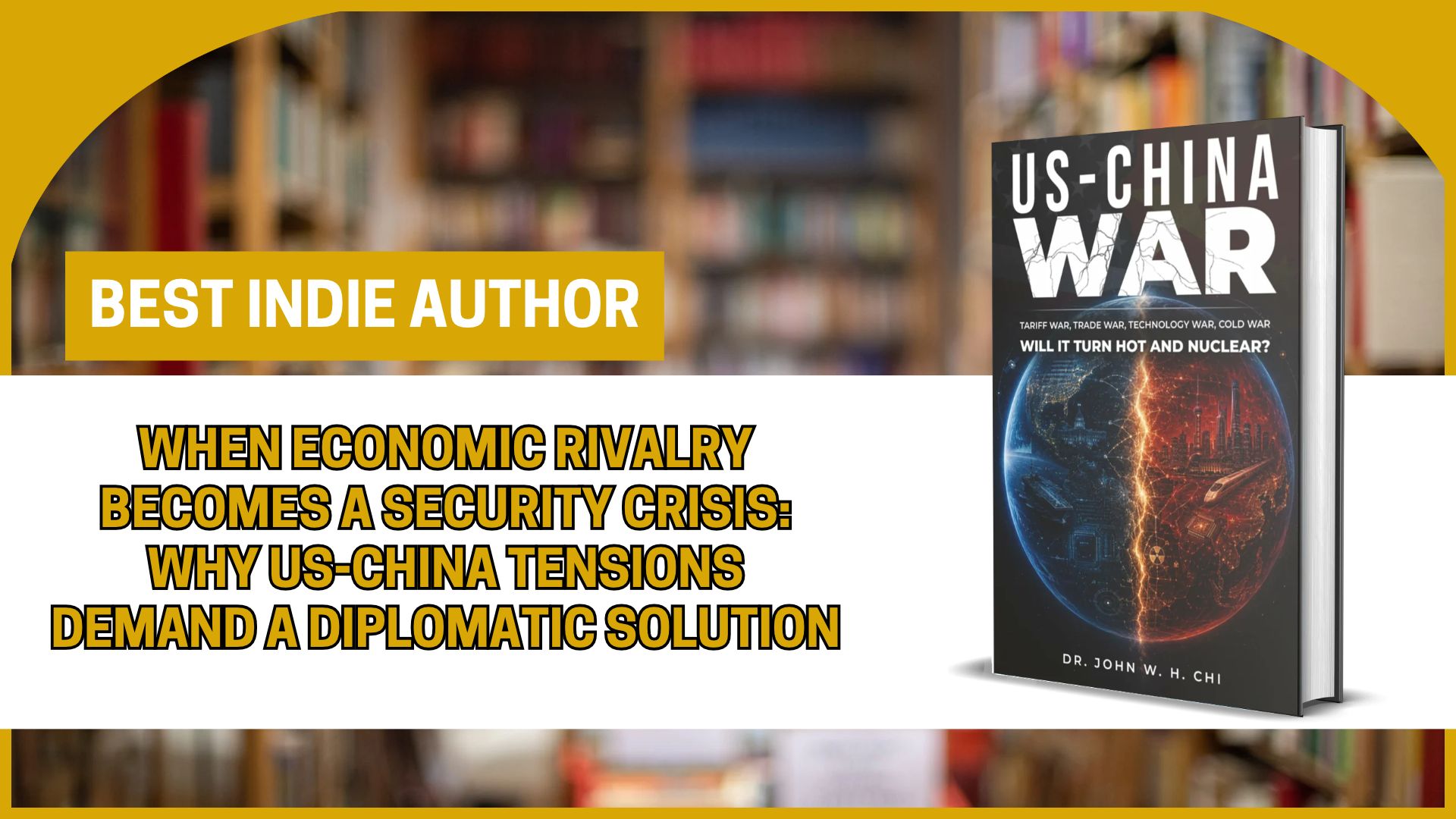
In US-China War, Dr. John W. H. Chi examines how American concerns about China’s development evolved from ideological opposition to disputes involving human rights, trade advantages, and technological leadership.
The central concern is whether economic competition is increasingly being treated as a matter of national security rather than an opportunity for mutual development.
WHEN TRADE RESTRICTIONS BECOME POLITICAL WEAPONS
Trade disagreements are not unusual between major economies. However, escalating tariffs, sanctions, and technology restrictions can transform commercial competition into prolonged political confrontation.
American restrictions on advanced semiconductor technologies, Chinese telecommunications companies, and strategic industries illustrate how economic policies have become closely connected to national security concerns.
Meanwhile, China’s importance in manufacturing, rare earth processing, and global supply chains gives it considerable economic influence.
These interdependencies create difficult choices for governments and businesses.
A restriction designed to weaken a competitor can also disrupt domestic manufacturing, increase production costs, and create uncertainty for consumers.
As discussed in US-China War, Dr. John W. H. Chi questions whether attempts to contain China’s economic development ultimately serve the long-term interests of either nation.
THE DANGEROUS PATH TOWARD MILITARY CONFRONTATION
Economic disputes become especially concerning when accompanied by growing military tensions.
The Taiwan Strait, South China Sea, regional military alliances, and competing security strategies have become sensitive issues in US-China relations.
Although these disputes involve different historical and political considerations, they contribute to an environment where misunderstanding or miscalculation could produce serious consequences.
Both countries possess nuclear weapons, making the prevention of direct military confrontation particularly important.
The possibility of escalation underscores why diplomatic communication must remain available even during periods of disagreement.
WHY DIPLOMACY MUST REMAIN THE PRIORITY
The warning emphasized in US-China War is that economic rivalry should never be allowed to develop into a devastating military conflict.
Dr. John W. H. Chi advocates peaceful coexistence, mutual respect, and international cooperation rather than policies that deepen hostility.
Diplomacy does not require countries to abandon their national interests or ignore legitimate disagreements. It requires recognizing that competition and cooperation can exist simultaneously.
Trade negotiations, sustained diplomatic dialogue, and efforts to reduce military tensions can create opportunities for resolving disputes without unnecessary confrontation.
Ultimately, the greatest challenge facing the United States and China is not simply determining which country achieves greater economic or technological influence.
It is ensuring that competition does not undermine the peace and prosperity both nations have the capacity to support.
The future of international stability depends on recognizing that disagreements between powerful nations are inevitable, but war is not.
Explore the realities behind US-China tensions and the growing importance of global peace.
Discover US-China War by Dr. John W. H. Chi.
📖 Paperback: https://www.amazon.com/US-China-War-Will-Turn-Nuclear/dp/B0HC8TJT28/
📱 Kindle: https://www.amazon.com/US-China-War-Will-Turn-Nuclear-ebook/dp/B0HC8MY852/