The first moments of a new school year often set the tone for everything that follows. Children walk through the door, wondering what their teacher will be like, how the room will feel, and what kind of year they will have. That is why the earliest interactions matter so much. A harmonious room does not appear by chance. It is created through intentional choices that make children feel safe, respected, and ready to learn.
The most effective teachers begin by shaping a classroom identity long before the first reminder or correction is needed. They establish expectations gently and consistently, and they use strategies that keep learning joyful. A simple tool or routine introduced on day one can help children understand what is expected without fear or confusion.
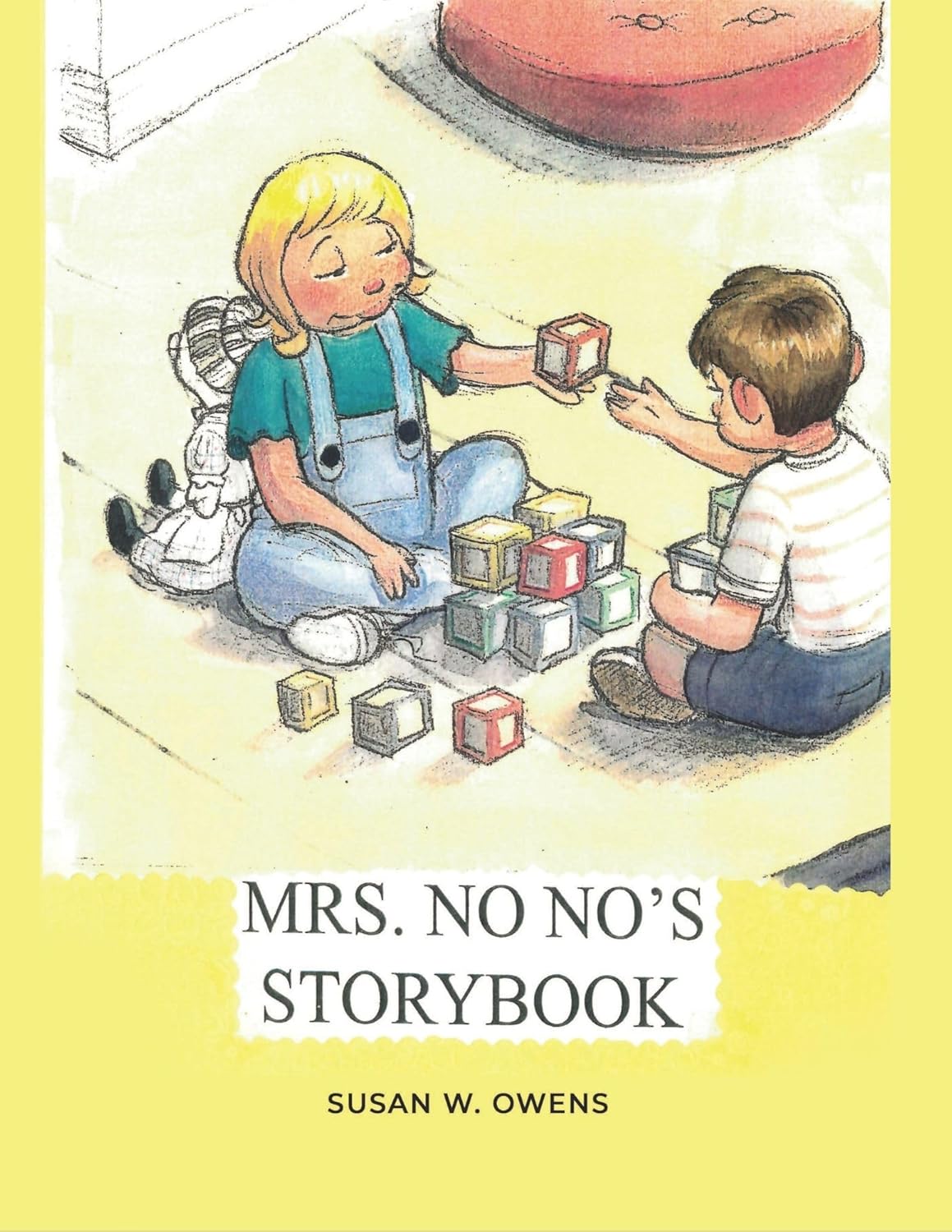
One powerful example comes from the classroom method presented in SusanW. Owens’s Mrs. No No’s Storybook. In the book, teachers introduce Mrs. No No as a friendly helper who guides children toward making good choices. When the teacher pulls out Mrs. No No and reads the story aloud, the atmosphere changes. Children engage with the character and clearly see how she helped a student named Katy throughout her entire day. This moment immediately shows the class what positive behavior looks like in simple and relatable scenes.
A teacher might begin the year by asking students if they want to learn a lot, have fun, and make their families proud. When they respond with excitement, the teacher introduces Mrs. No No as someone who will help everyone make good choices. This introduction is calm, warm, and memorable. It also shows children that correction will never be harsh or upsetting. Instead, it will be gentle and consistent.
Consider a child who forgets to follow a rule. Rather than raising her voice, the teacher may slowly pick up Mrs. No No, stretch out her neck, and let her look at the child. With a simple question such as “Do you see someone who needs to change their behavior?”, the teacher prompts reflection. The child understands the cue right away. This simple act sets expectations and reinforces a healthy classroom culture, where self-correction becomes the norm.
Teachers can strengthen this culture by incorporating character-building raps. These raps advocate cooperation, respect, honesty, responsibility, and pride in doing the right thing. For example, the affirmation “I am good, I am very good, and I can do good things” helps children build internal confidence. When repeated daily, it becomes part of the class identity. Even the quietest child begins to believe in their own ability to do well.
Creating harmony from day one requires consistency, warmth, and meaningful routines. When children know what to expect and feel supported in meeting those expectations, learning becomes smoother and relationships become stronger.
For teachers seeking a practical and joyful approach to positive behavior management, Mrs. No No’s Storybook by SusanW. Owens offers a valuable method worth exploring.
Help your students shine with gentle structure. Get your copy of Mrs. No No’s Storybook now, available on Amazon: https://www.amazon.com/dp/B0FPPJX6DR.
Discover Mrs. No No’s Message → Share It! https://www.mysuncoast.com/2025/06/25/mrs-no-nos-storybook/