Motherhood changes everything, but it should not erase the person who existed before it. The challenge is not simply raising children. It is holding on to a sense of self while doing so. This balance is rarely discussed with honesty, yet it shapes the emotional reality of many women.
At the beginning, the shift feels natural. Attention moves toward the child, routines adjust, priorities change. There is a sense of purpose in meeting every need, in being present for every moment. Over time, however, that constant focus can begin to narrow identity. The roles of caregiver and parent expand, while everything else quietly recedes.
The loss is not always obvious. It appears in small ways. Interests that once mattered are postponed. Personal goals are set aside. Time that once belonged to the individual is now shared or given entirely to others. Gradually, the question of who you are beyond motherhood becomes harder to answer.
This is where tension begins. There is pride in being a parent, yet there is also a need for individuality. These two realities are not in conflict, but they can feel that way when one is allowed to dominate completely. Without space for personal identity, motherhood can start to feel limiting rather than fulfilling.
Guilt often complicates this balance. Wanting time for yourself can feel selfish, even though it is necessary. Taking a step back, even briefly, may create a sense of neglect, despite the fact that it strengthens long term well-being. This internal conflict can prevent change, keeping the cycle in place.
Support systems play a critical role. When responsibilities are shared, space for identity becomes possible. When they are not, the weight of motherhood increases. The absence of support forces constant adaptation, leaving little room for reflection or personal growth. Over time, this can lead to frustration and emotional fatigue.
Another challenge lies in how identity evolves. The goal is not to return to who you were before. That version no longer exists in the same way. Instead, it is about integrating motherhood into a broader sense of self. This requires intention. It requires acknowledging personal needs alongside family responsibilities.
Children benefit from this balance as well. They observe how identity is maintained. They learn that being a parent does not mean disappearing. It teaches them about boundaries, self-respect, and the importance of personal space. These lessons extend far beyond childhood.
The difficulty is that this balance is not fixed. It shifts with time, circumstances, and the needs of the family. There will be periods where identity feels stronger and others where it feels distant. What matters is the awareness to recognize when adjustment is needed.
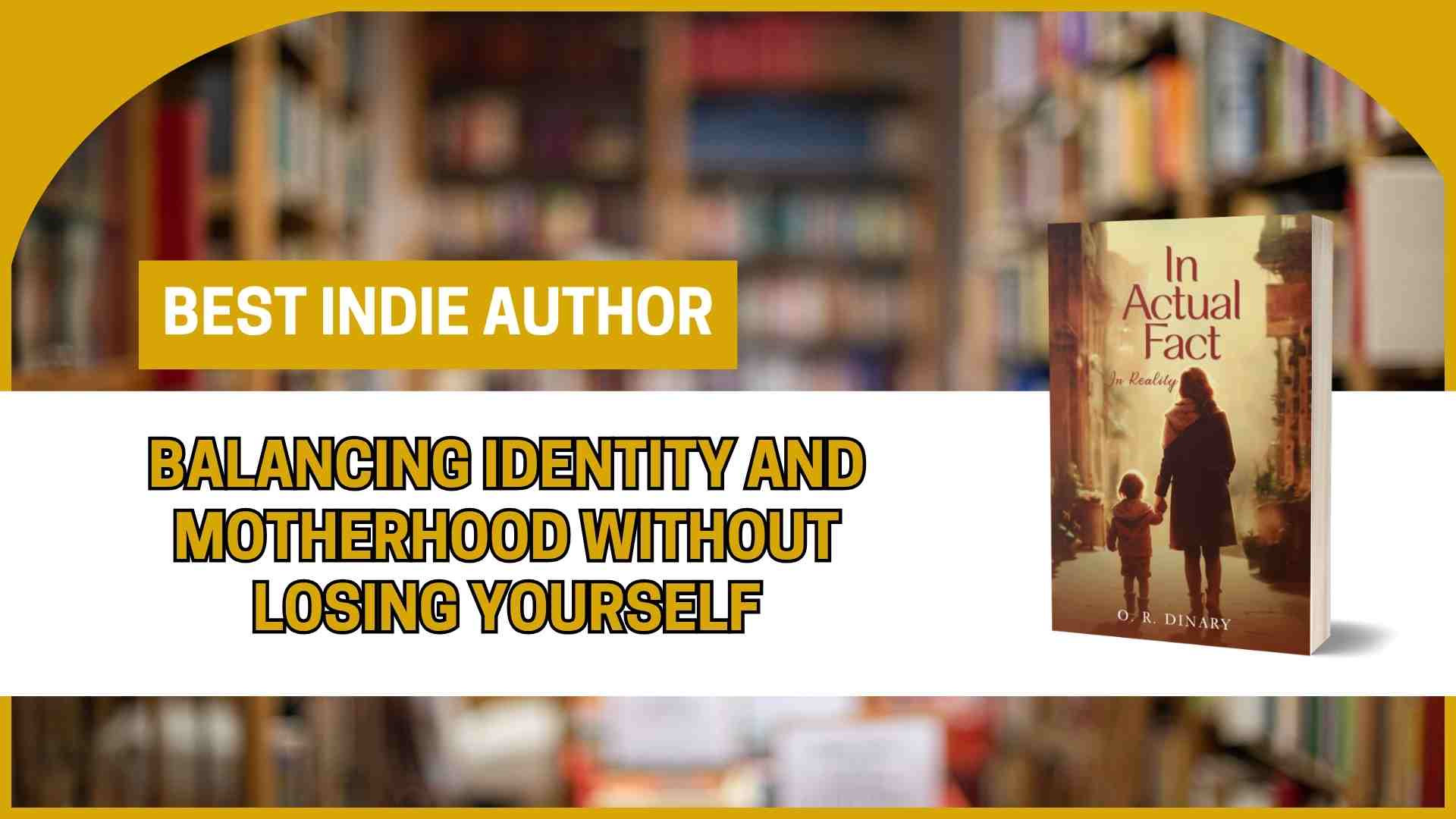
This complexity is captured with striking clarity in In Reality by O. R. Dinary. The narrative explores the tension between personal ambition, responsibility, and the realities of motherhood. It does not present a perfect balance. Instead, it reveals how identity can be stretched, challenged, and reshaped over time.
Through its honesty, the book reflects a truth many experience but rarely articulate. It shows that losing yourself is not a sudden event. It is a gradual process, influenced by circumstance, expectation, and choice. At the same time, it suggests that identity is not gone. It is waiting to be reclaimed.
Balancing identity and motherhood is not about choosing one over the other. It is about allowing both to exist. When that balance is pursued with awareness, it creates a more sustainable and fulfilling experience, not only for the parent, but for the family as a whole.
Available Now On Amazon: https://www.amazon.com/dp/1971610690/