A house can be filled with people and still feel lonely. Likewise, a family may look unconventional to outsiders yet provide the emotional security, understanding, and acceptance that everyone deserves.
What truly defines a family? Is it marriage, biological relationships, shared traditions, or something deeper?
For many people, the answer lies not in how a family is structured but in how its members treat one another.
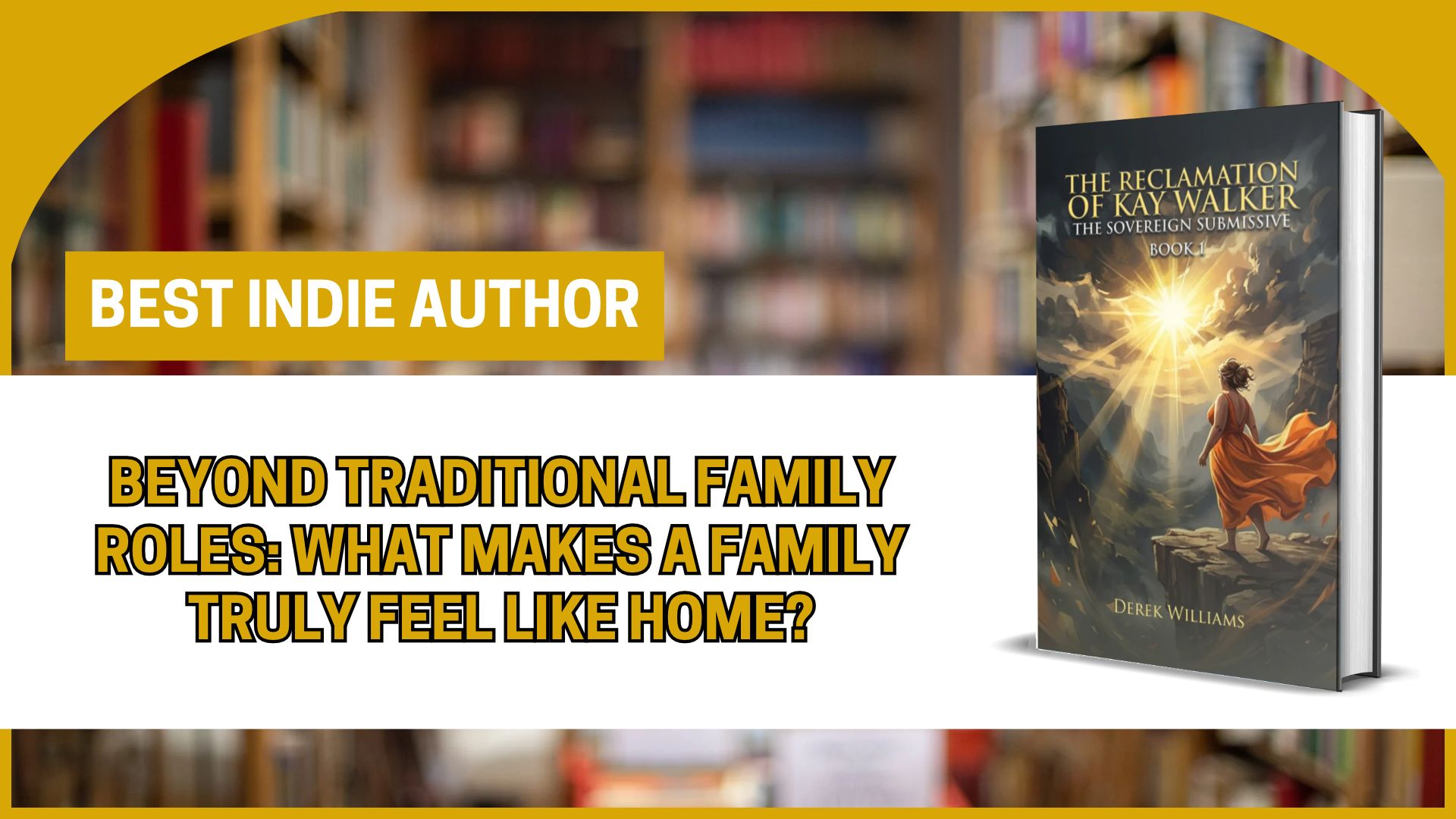
This question emerges throughout The Reclamation of Kay Walker by Derek Williams, a story that explores how trust, emotional healing, and shared responsibilities can create a sense of belonging beyond conventional expectations.
Family Is Built Through Emotional Security
Traditional definitions often emphasize biological connections and established household roles. However, these structures alone cannot guarantee emotional safety.
Kay Walker’s experiences reveal how damaging relationships can reshape someone’s understanding of love and belonging. After surviving an abusive marriage, she struggles with insecurity and the fear that acceptance might come with hidden conditions.
Her growing relationship with Joe introduces a different possibility: a household where emotional needs are acknowledged, communication matters, and trust develops through consistent actions.
In The Reclamation of Kay Walker, the idea of home gradually becomes associated with a sense of calm and security rather than simply a physical location.
This distinction is important because people need more than shelter and companionship. They need environments where vulnerability does not automatically lead to criticism, rejection, or humiliation.
Redefining Roles Through Mutual Understanding
As Kay’s relationships develop, her family expands to include Sarah, a woman carrying emotional wounds of her own.
Their unconventional household challenges assumptions about how romantic partnerships and family responsibilities should be organized.
Yet its most meaningful feature is not its unusual structure. It is the attention given to each person’s needs, boundaries, and contributions.
Derek Williams illustrates this through the family’s practical decisions. When Sarah takes on substantial household and childcare responsibilities, arrangements are made to provide her with financial compensation and greater security.
This detail highlights an often-overlooked aspect of family life: caregiving is valuable work, and emotional belonging should not require sacrificing personal independence.
Healthy family arrangements depend on fairness, communication, and the freedom to participate without feeling trapped.
Belonging Requires More Than Acceptance
Being welcomed into a family is meaningful, but genuine belonging involves something deeper.
It means having a voice in decisions, knowing that personal boundaries will be respected, and feeling confident that disagreements will not automatically threaten relationships.
Kay’s journey demonstrates that belonging develops gradually. Her experiences with trauma make trust difficult, even when those around her offer affection and reassurance.
Sarah faces similar challenges as she learns to navigate unfamiliar relationships and responsibilities.
Their experiences suggest that creating a supportive household requires patience rather than perfection. Emotional security grows when people repeatedly demonstrate reliability, compassion, and respect.
The family portrayed in The Reclamation of Kay Walker is not free from complicated emotions or difficult conversations. Instead, its members work toward understanding one another while navigating their different histories and expectations.
What Makes a Family Truly Feel Like Home?
Every family has its own structure, challenges, and responsibilities. Some are connected through birth, others through marriage, and still others through relationships built by choice.
What matters most is whether those connections provide genuine care and mutual respect.
A meaningful home allows people to contribute without losing their individuality, receive support without shame, and express their needs without fear.
Ultimately, family is not defined solely by who shares a roof or a surname. It is defined by the trust, responsibility, and compassion people build together.
Home becomes something more than a place when everyone within it has the freedom to belong.
Available on Amazon: https://www.amazon.com/dp/B0H6NBBD54