
Food is more than something we eat. It carries stories, traditions, memories, and connections to family and community. In a classroom, food can become a powerful way to help children learn about different cultures while developing curiosity, respect, and understanding for the experiences of others.
For immigrant children, food can provide a comforting connection to home while they adjust to a new environment. Familiar flavors and family recipes can remind them of their heritage, while new foods introduce them to the traditions of their new community. Through these experiences, children learn that cultural differences are opportunities to explore and appreciate.
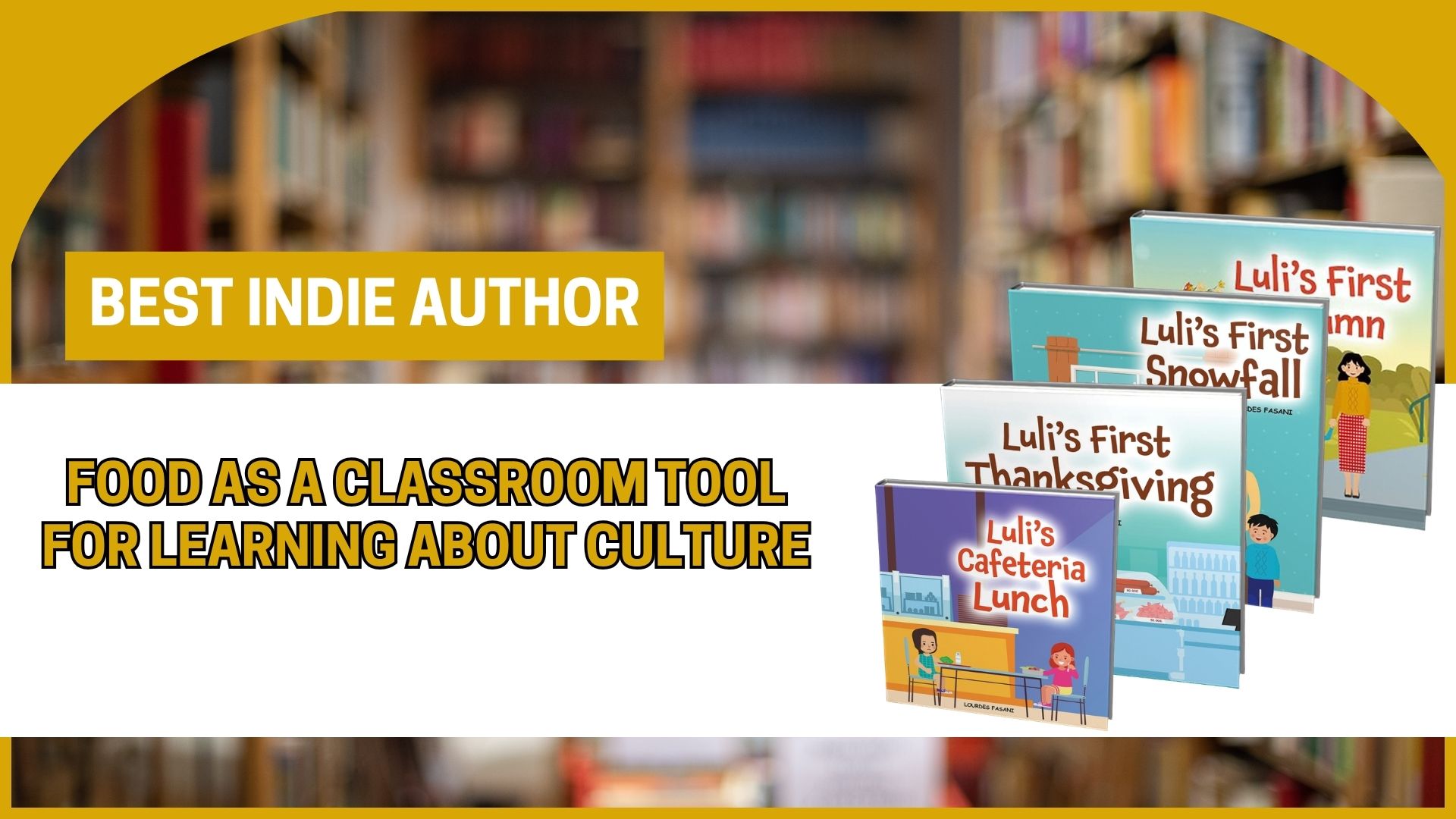
Luli’s story demonstrates how food can become part of a child’s adjustment journey. After arriving in America, Luli encounters foods that are unfamiliar to her. Her school cafeteria introduces her to new experiences, including cold milk and broccoli, foods that are different from what she knows from Cuba. With patience and support, Luli begins to feel more comfortable trying new things and participating in school routines.
Teachers can use food as a way to create meaningful classroom discussions. Students can share family recipes, describe traditional meals, or talk about foods that are special during holidays and celebrations. These conversations allow children to learn about one another’s backgrounds and recognize the similarities that connect different cultures.
Food based activities can also support learning across subjects. A discussion about a family recipe can introduce geography, history, language, and storytelling. Students can explore where ingredients come from, how meals are prepared, and why certain foods hold special meaning for different communities.
For immigrant students, seeing their culture represented in the classroom can create a stronger sense of belonging. When teachers acknowledge and celebrate different food traditions, children understand that their backgrounds are valued. This recognition can help students feel more confident sharing their experiences with others.
The Luli series shows how everyday moments, including meals and food discoveries, can become important parts of a child’s journey. Food connects Luli’s past and present as she learns to embrace new experiences while staying connected to her Cuban heritage.
Food as a Classroom Tool for Learning About Culture encourages educators and families to see meals as more than daily routines. Food can open conversations, build friendships, and help children understand the diverse stories that shape their classrooms and communities. Through shared experiences, children discover that every culture has something meaningful to offer.
Available Now On Amazon: https://www.amazon.com/stores/author/B0FVGJBMBR/allbooks


