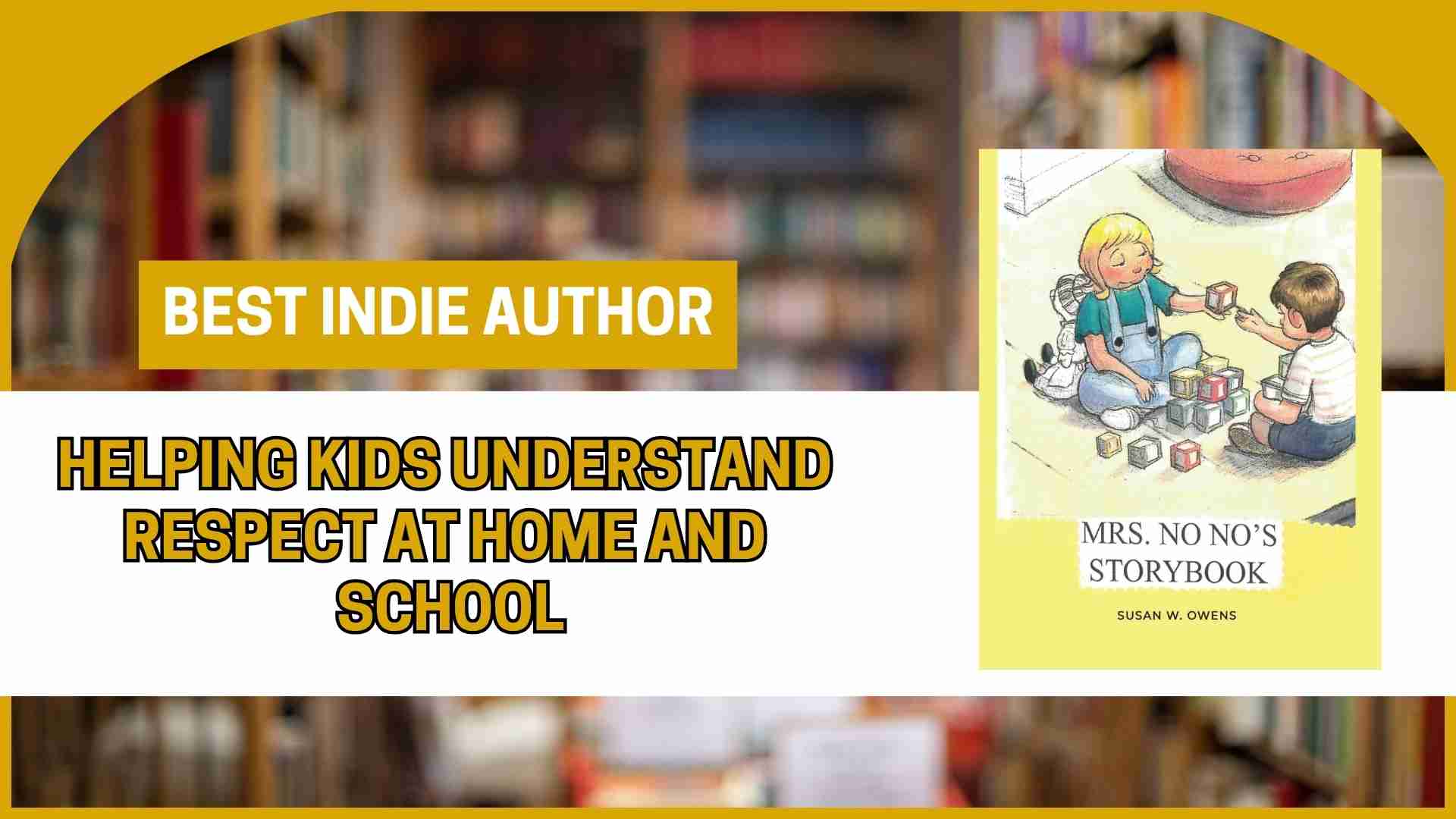
Respect is one of the first values children need to learn, yet it is often one of the hardest to teach. It goes beyond simple manners. It shapes how children speak, listen, and treat others in every part of their lives. Whether at home or in school, respect builds stronger relationships and creates a more positive environment. Mrs. No No’s Storybook by Susan W. Owens offers a gentle and effective way to introduce this essential value to young minds.
Children do not fully understand respect through instructions alone. They learn it through experience, observation, and guidance. Every interaction becomes a lesson. When a child is asked to listen, share, or follow directions, they are being introduced to the idea of respecting others. These moments may seem small, but they form the foundation of behavior.
At home, respect begins with daily routines. Saying please and thank you, listening when spoken to, and treating siblings with kindness are all early steps. Parents often find themselves repeating the same reminders, hoping the message will stick. This is where storytelling becomes a powerful tool. A story allows children to see situations from another perspective, making the lesson easier to understand and remember.
Mrs. No No’s Storybook presents respect in a way that feels natural and relatable. Through the character of Mrs. No No, children are guided to make thoughtful choices throughout their day. Instead of being told what to do, they are encouraged to think about their actions. This approach helps children develop an internal sense of right and wrong, rather than relying only on external correction.
In a school setting, respect plays an even larger role. Classrooms depend on cooperation, listening, and shared responsibility. Without respect, learning becomes difficult for both students and teachers. Children must learn to respect their teachers, their classmates, and the rules that help maintain order. These expectations can feel overwhelming unless they are introduced in a clear and consistent way.
Using Mrs. No No’s Storybook in the classroom creates a shared understanding among students. The character becomes a familiar presence, reminding them to act with kindness and consideration. Teachers can refer back to the story during the day, helping students connect their actions to the lessons they have learned. This makes behavior guidance feel less like discipline and more like support.
One of the most effective aspects of teaching respect is consistency. Children need to see the same values reinforced at home and at school. When both environments reflect the same expectations, the message becomes stronger. Stories like Mrs. No No’s Storybook help bridge this gap, providing a common reference point for both parents and educators.
Another important factor is self-respect. Children who learn to value themselves are more likely to treat others well. The affirming tone of the story encourages children to see themselves as capable of making good choices. This sense of confidence supports better behavior and stronger relationships.
Respect is not learned overnight. It develops over time through repeated experiences and gentle guidance. The key is to provide children with clear examples and consistent reminders. By integrating meaningful stories into their daily lives, adults can make this process more engaging and effective.
Mrs. No No’s Storybook by Susan W. Owens stands out as a valuable resource for teaching respect in both home and school environments. Its simple message and relatable approach make it easy for children to understand and apply. More than just a story, it becomes a guide that helps children grow into thoughtful, respectful individuals who carry these values with them wherever they go.
Explore this book now, available on Amazon: https://www.amazon.com/dp/B0FPPJX6DR.