Romantic fiction has the power to explore difficult emotional experiences, including domestic abuse, but the subject must be handled with care. Abuse should never be used as a convenient source of drama or treated as proof of passion. When portrayed responsibly, it can help readers recognize harmful behavior, understand the effects of trauma, and see why recovery requires more than simply finding a new partner.
A responsible story makes a clear distinction between conflict and abuse. Disagreements can exist in healthy relationships, but intimidation, coercion, isolation, humiliation, and violence are not signs of deep love. Romantic fiction should avoid presenting jealousy, control, or possessiveness as desirable simply because the abusive character is attractive, powerful, or emotionally wounded.
The survivor should also remain at the center of the story. Their fear, confusion, anger, and recovery deserve space. Healing should not happen instantly, and romance should not erase trauma. A new relationship may offer support, but it should not become a cure. The survivor must be allowed to rebuild confidence, make choices, set boundaries, and regain a sense of identity.
Consent is equally important. A responsible novel shows that consent must be clear, ongoing, and free from pressure. This is especially significant in stories involving dominance, submission, or power exchange. Such relationships can only be presented as healthy when communication, limits, trust, and personal freedom are respected.
Writers should also avoid excusing abuse through a tragic backstory. A character may have experienced hardship, but pain does not remove responsibility. Redemption, when included, should require accountability, change, and consequences rather than a simple apology.
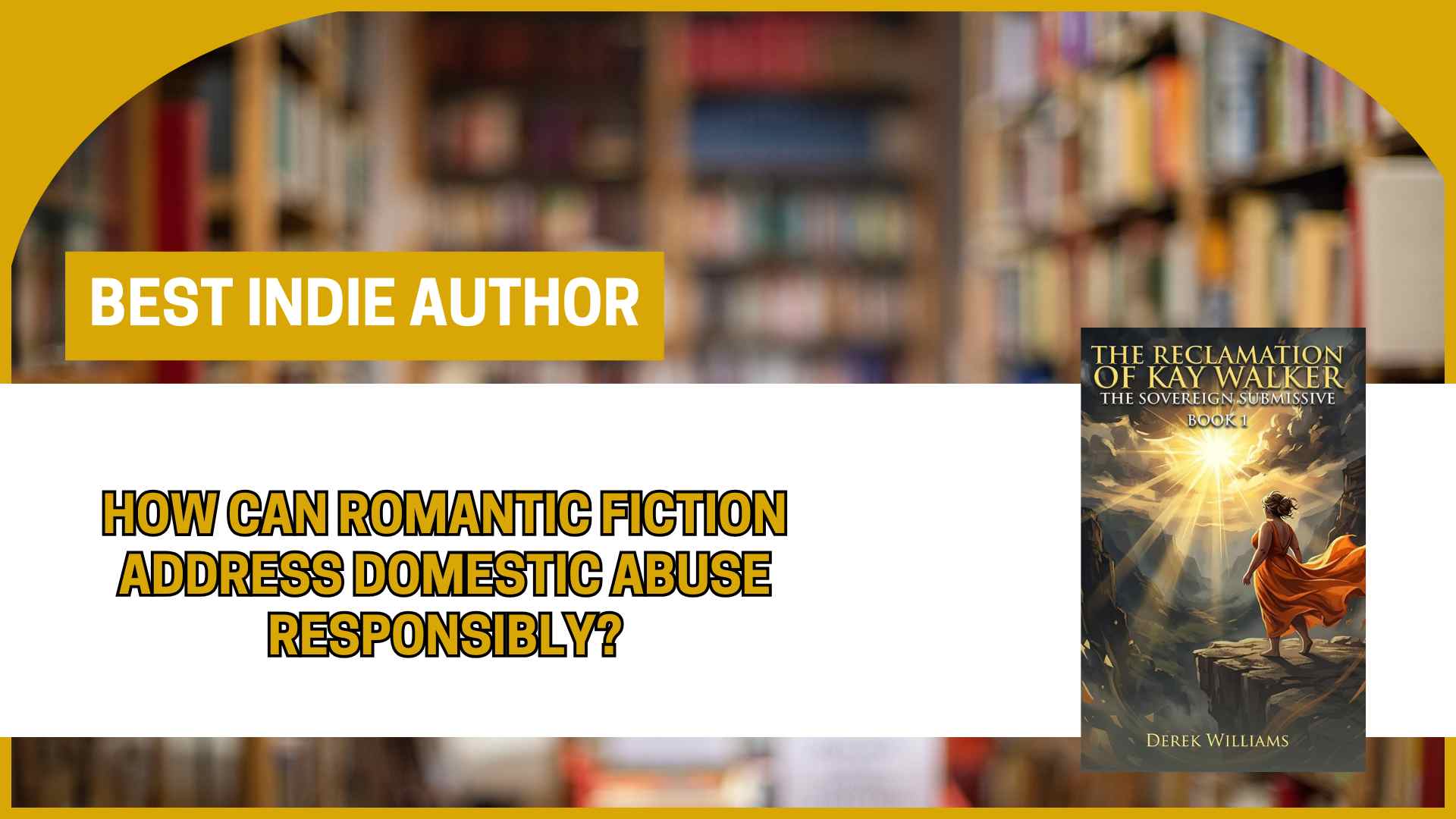
In The Reclamation of Kay Walker: The Sovereign Submissive, Book 1, Derek Williams examines trauma, control, desire, and trust through Kay’s struggle to reclaim her life. Her journey focuses on more than escape. It explores the emotional work of rebuilding self respect, understanding personal boundaries, and learning that intimacy should not require surrendering freedom.
The novel invites readers to consider the difference between chosen vulnerability and forced submission. It also shows how trust develops through patience and consistent respect rather than promises alone.
Romantic fiction can address domestic abuse responsibly when it refuses to glamorize harm and gives survivors full emotional complexity. The strongest stories do not define a character only by what happened to them. They show how a person can confront the past, recover their voice, and move toward a future built on choice, dignity, and safety.