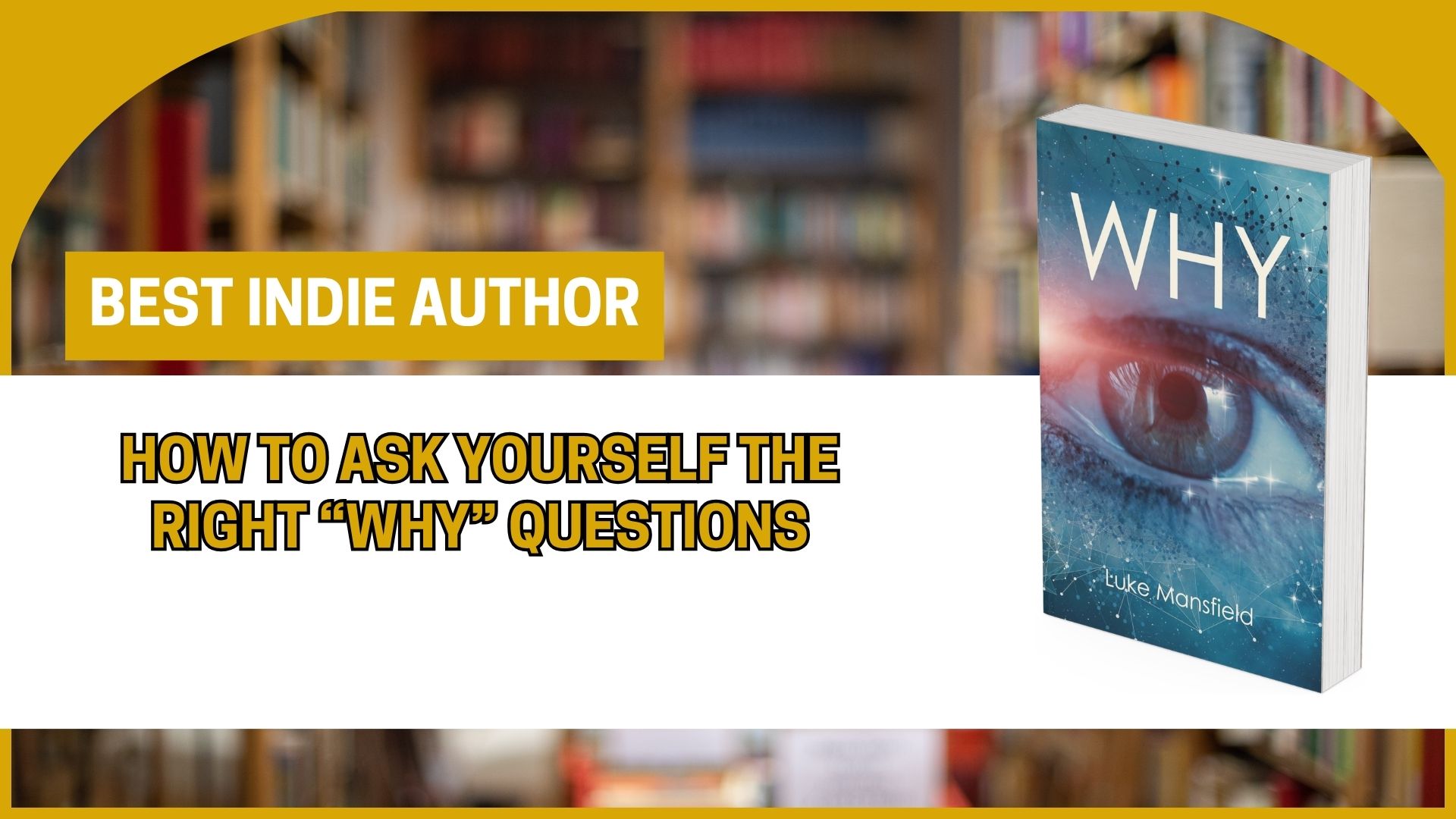
We ask ourselves “why” all the time. But not all “why” questions are created equal. Some keep us stuck in guilt or frustration, while others open the door to real understanding and change. In WHY: Explanation, guide and reference to basic human motivations, Luke Mansfield shows that learning to ask the right “why” questions is one of the most valuable skills we can develop, especially when it comes to understanding ourselves and others.
Mansfield’s concept of “Y”, a shorthand for the core reasons behind our actions. These aren’t always obvious, and they often trace back to basic human instincts like belonging, self-preservation, curiosity, or competition. By digging into these instincts, we can uncover the real motivations behind what we do and why we respond the way we do in different situations.
The first step in asking the right “why” questions is to shift from blame to curiosity. Instead of asking, Why am I so bad at this? Ask, Why am I finding this challenging right now?, That small change invites you to explore circumstances and instincts instead of labeling yourself negatively. For example, maybe you’re delaying not because you’re lazy, but because your self-preservation instinct is kicking in to avoid stress or possible failure.
Mansfield highlights that “why” questions should be specific and focused on discovery. If you argued with a friend, asking Why do they always overreact?, might lead you to strengthen your assumptions. But asking Why might they have felt hurt by what I said?, opens up possibilities. You might realize their belonging instinct was triggered, making them feel excluded or unappreciated. That awareness can guide you toward a healthier resolution.
If you ask yourself, Why am I upset? and the answer is Because my idea was rejected, you need to dig deeper and reflect on why that bothers you so much. Maybe it’s because competition and recognition are important to you, and having your idea terminated felt like losing a chance to prove yourself. Each deeper “why” gets you closer to the root instinct driving your feelings.
It’s also important to use “why” questions to build self-awareness, not self-criticism. Mansfield points out that all instincts have value; they’ve helped humans survive and thrive for thousands of years. The goal isn’t to judge your “Y” but to understand it so you can choose how to respond. Recognizing that your need for belonging made you say yes to plans you didn’t really want to attend doesn’t make you weak; it makes you aware, so next time you can respond in a way that better balances your needs.
In the end, the right “why” questions help you move from reacting on autopilot to making intentional choices. They create a habit of looking beneath the surface and finding the instinct or need that’s really driving you. As WHY makes clear, while we learn to ask better “why” questions, we stop being strangers to ourselves, and that’s when real growth begins.
Grab your copy on Amazon: https://www.amazon.com/dp/1967679878/.