Healing from trauma is not only about processing what happened. It can also mean rebuilding the relationship you have with yourself.
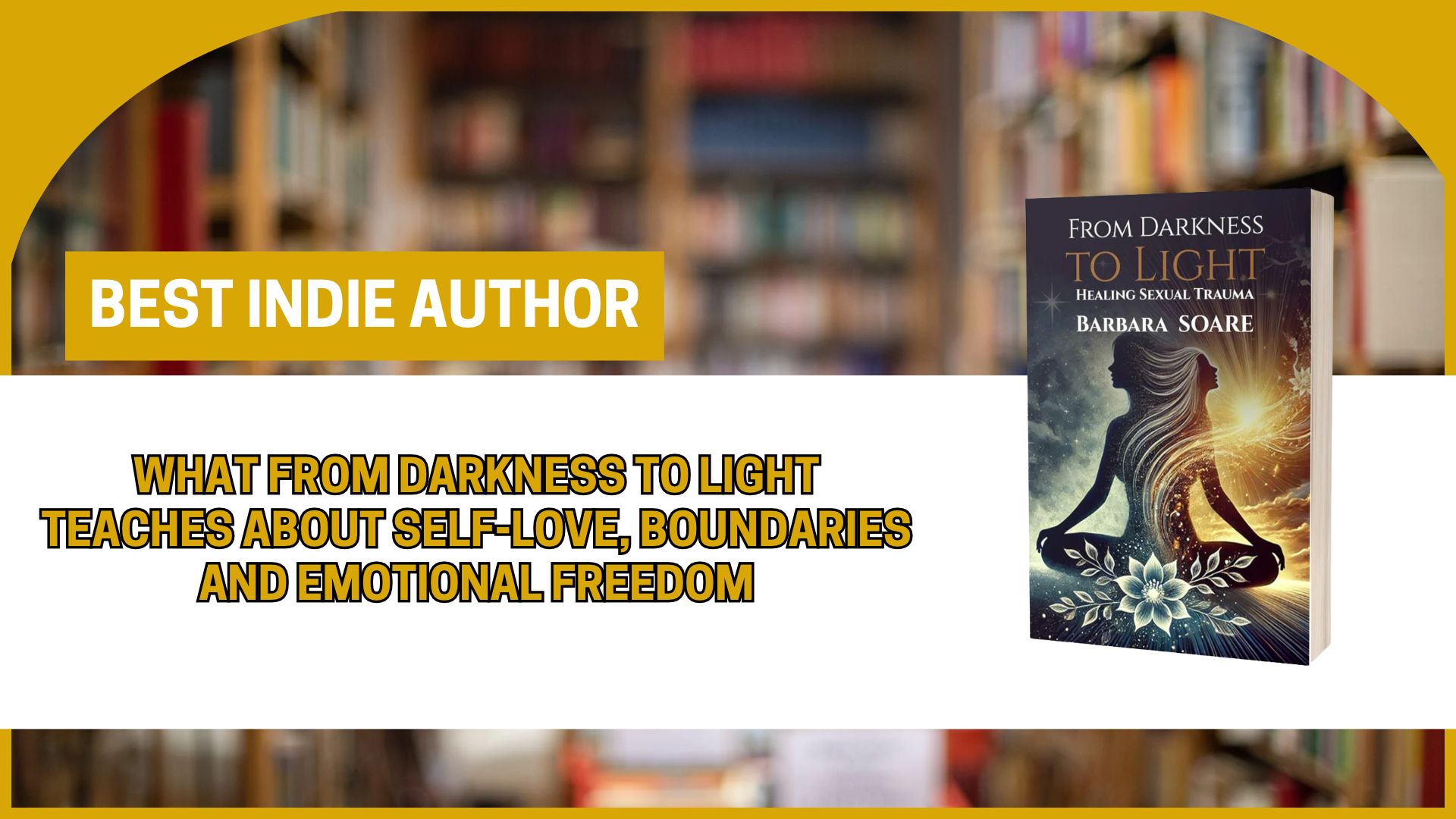
In From Darkness to Light: Healing Sexual Trauma, author Barbara Soare explores this process through her own story of survival and the practices that helped her move toward greater self-awareness, self-worth and emotional freedom. Her journey is deeply personal, but many of the lessons she shares speak to anyone who has struggled with shame, fear, disconnection or unhealthy relationship patterns.
At the center of the book is a powerful message: healing involves learning to treat yourself with compassion rather than judgment.
Self-Love as a Healing Practice
For Soare, self-love is not simply a positive idea. It is something that must be practiced.
She encourages readers to reconnect with their worth through tools such as mirror work, affirmations, loving-kindness meditation and journaling. These practices are designed to help readers recognize their strengths, acknowledge their emotions and begin replacing harsh inner narratives with greater acceptance.
The book repeatedly returns to the idea that people who have experienced trauma may carry beliefs about themselves that were formed in pain. Reclaiming personal power therefore requires challenging those beliefs and choosing a more compassionate relationship with the self.
That process may be gradual, but it can become an important foundation for deeper healing.
Learning That Boundaries Matter
Another major theme in From Darkness to Light is the importance of boundaries.
Soare discusses how trauma can affect intimacy, trust, communication and the ability to feel safe with another person. In her chapters on Tantric practices and relationships, she emphasizes open communication, mutual respect, conscious touch and recognizing individual needs and limits.
This is especially important because rebuilding intimacy should not mean ignoring discomfort or forcing connection.
Instead, Soare presents healthy intimacy as something rooted in awareness and choice. Whether a person is healing alone or within a relationship, understanding personal boundaries can help create a stronger sense of safety and self-respect.
Breaking Emotional Patterns
The book also looks beyond the immediate effects of sexual trauma.
Soare reflects on what she calls the father wound and mother wound, exploring how early family relationships can influence later emotional patterns. She writes about being drawn to emotionally unavailable partners and later recognizing how those choices connected with unresolved experiences from childhood.
Through self-awareness, counseling, forgiveness and boundary-setting, she began to identify patterns she no longer wanted to repeat.
This part of the book expands its message beyond survival. Emotional freedom, in Soare’s telling, also means understanding where certain behaviors and beliefs come from and deciding whether they still belong in your life.
Reclaiming the Right to Move Forward
From Darkness to Light also explores anger, self-forgiveness and the shadow self the parts of ourselves we may hide, reject or fear.
Rather than demanding perfection, Soare encourages readers to move toward wholeness. That means recognizing pain, acknowledging difficult emotions and learning to accept parts of the self that may have been buried for years.
Barbara Soare’s journey offers a deeply personal vision of healing built around self-love, conscious boundaries, awareness and emotional transformation.
For readers seeking a reflective exploration of trauma, relationships, spirituality and personal growth, From Darkness to Light: Healing Sexual Trauma invites them to consider what it might mean to move beyond survival and toward a life shaped by greater freedom and self-compassion.
Discover Barbara Soare’s journey in From Darkness to Light: Healing Sexual Trauma.
Get the book here: https://www.amazon.com/dp/B0HB12JJJR/