Every family has them — the quilt stitched by a grandmother’s hands, a chipped teacup passed down through generations, or a piece of jewelry tucked into a drawer, heavy with meaning. These aren’t just “things.” They are carriers of memory, infused with the energy of the lives they touched. Family heirlooms often serve as bridges between past and present, holding within them both love and, sometimes, unresolved pain.
When you pick up an old object, you may feel something stir inside you. A childhood toy might bring back laughter you thought you’d forgotten. A piece of furniture might evoke memories of heated arguments you’d rather not relive. Psychologists and healers alike note that objects tied to our personal history can unlock powerful emotions. They remind us that love and trauma often coexist, intertwined in the fabric of family life.
Why do objects hold such power? Part of it is memory. Touching something physical — the texture of a worn book cover, the scent of an old trunk — bypasses the thinking mind and connects directly to the heart. It’s not just nostalgia; it’s a somatic experience, a way the body remembers. For many, these encounters can bring both comfort and an opportunity for healing.
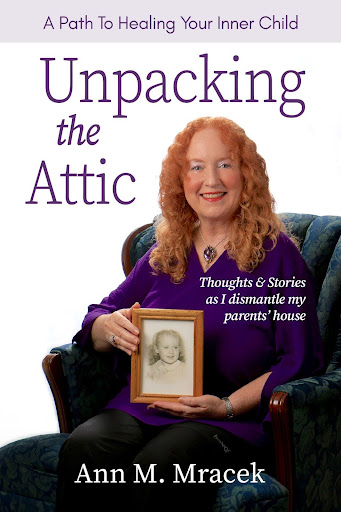
In Unpacking the Attic by Ann M. Mracek, the author describes the emotional flood that came while sorting through her parents’ belongings after they moved into assisted living. A doll’s chair, a curtain sewn long ago, even a jar tucked in the pantry — each object unearthed stories and feelings she hadn’t faced in decades. Some were joyful, others painful. By choosing not to push those emotions aside, she found a way to offer compassion to her younger self and, in the process, to heal.
That’s the lesson family heirlooms often teach us: objects are not just relics, but mirrors. They reflect who we were, what we endured, and how love sustained us even in difficult times. A cracked plate may carry the memory of family dinners filled with laughter. A faded photograph may stir grief for someone lost too soon. Both are reminders of the complexity of our histories — and our resilience.
So how can we work with these objects in a healing way? Instead of quickly discarding or clinging to everything, try slowing down. Hold the item in your hands. Ask yourself: What memory does this bring? How does it make me feel? If it evokes joy, let that memory nourish you. If it stirs pain, offer compassion to the part of you that still carries that wound. The process is not about keeping or throwing away, but about integrating the meaning.
Ultimately, heirlooms are less about material value and more about emotional truth. They remind us that love leaves traces, that pain leaves lessons, and that both can live side by side in the stories we inherit. By honoring what these objects stir within us, we not only preserve family history but also open ourselves to deeper healing and freedom.