
For many men, one of the most difficult and least discussed aspects of prostate cancer recovery isn’t the surgery itself; it is what happens afterward. Erectile dysfunction following prostate surgery can be emotionally devastating, affecting confidence, relationships and overall quality of life. Yet despite how common it is, many patients leave the hospital with little understanding of what recovery actually involves.
The good news is that erectile dysfunction after prostatectomy doesn’t automatically mean the end of a satisfying sex life. In many cases, recovery is possible. The key is understanding the role of penile rehabilitation and starting the process with realistic expectations.
After prostate surgery, the nerves responsible for erections often require significant time to heal. Even when nerve-sparing techniques are used, temporary erectile dysfunction is extremely common. Many men are surprised to learn that erectile function may continue improving for twelve to twenty-four months after surgery and sometimes even longer.
Unfortunately, some patients assume they simply need to wait for recovery to happen on its own. Research suggests that a more proactive approach may produce better outcomes.
Penile rehabilitation refers to a structured program designed to maintain erectile tissue health and encourage recovery while the nerves heal. The goal is not only to improve the chances of regaining erectile function but also to prevent long-term tissue changes that can occur when the penis remains inactive for extended periods.
Common rehabilitation strategies include medications known as PDE5 inhibitors, such as sildenafil (Viagra) and tadalafil (Cialis), which help increase blood flow to the penis. Some rehabilitation programs also incorporate vacuum erection devices, which mechanically draw blood into the erectile tissues and may help preserve penile length and tissue health.
For men who do not respond adequately to oral medications, injection therapy offers another highly effective option. Although many patients initially feel intimidated by the idea, injection therapy can provide reliable erections and often becomes an important part of recovery and intimacy.
Beyond the physical aspects, penile rehabilitation also addresses something equally important: hope.
One of the greatest challenges prostate cancer survivors face is the uncertainty surrounding sexual recovery. Progress is often gradual, inconsistent and frustrating. A man may experience improvement one month and feel discouraged the next. Understanding that this pattern is normal can reduce anxiety and help maintain motivation during the recovery process.
Equally important is communication with partners. Sexual recovery is rarely an individual journey. Open conversations about fears, expectations, intimacy and changing sexual experiences can strengthen relationships during a period that often feels overwhelming. Many couples discover that meaningful intimacy extends far beyond erections and penetrative intercourse.
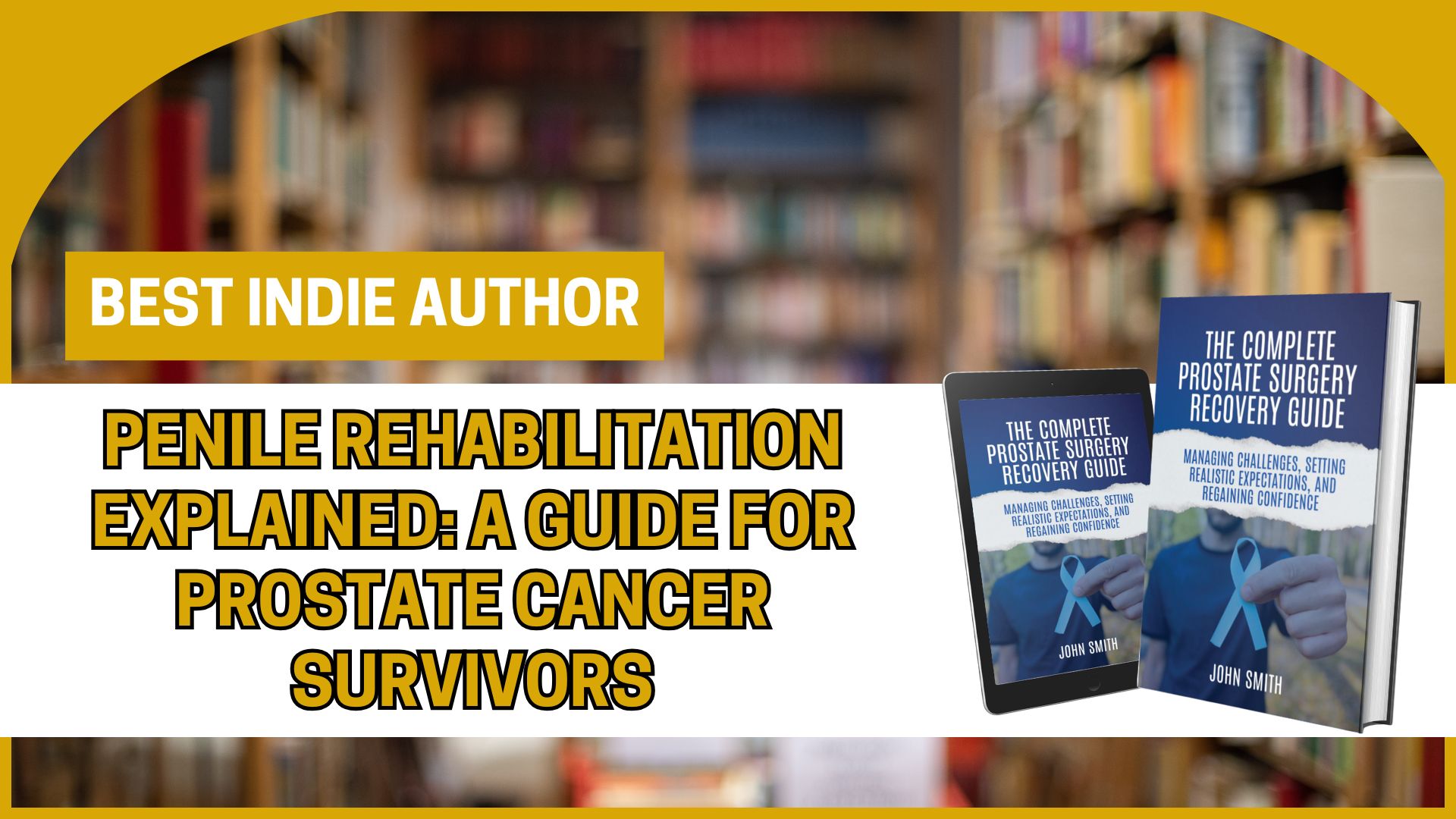
These are the kinds of practical, evidence-based topics explored in The Complete Prostate Surgery Recovery Guide: Managing Challenges, Setting Realistic Expectations, and Regaining Confidence by John Smith.
The book provides a comprehensive look at every stage of recovery after prostate surgery, including a detailed discussion of erectile dysfunction, penile rehabilitation, recovery timelines, treatment options, emotional adjustment and relationship communication. Rather than offering unrealistic promises, it gives readers clear information, realistic expectations and actionable strategies grounded in research and real-world experience.
For prostate cancer survivors and their partners, understanding penile rehabilitation is an important step toward rebuilding confidence and quality of life. Recovery may take time, patience and persistence, but with the right information and support, many men successfully navigate this challenge and regain satisfying intimate lives.
Knowledge is one of the most powerful tools in recovery and John Smith’s guide helps ensure that no man has to face this journey alone.


