What happens when the traditions that define our identity become the very things that separate us from others? Language, religion, ancestry, and cultural customs give people a sense of belonging. Yet these same differences can create misunderstandings when communities begin to view unfamiliar ways of life with suspicion rather than curiosity.
Preserving cultural identity does not require rejecting other cultures. In fact, understanding where we come from can help us appreciate the experiences and traditions of those around us. The challenge is learning to protect our heritage without allowing pride to become prejudice.
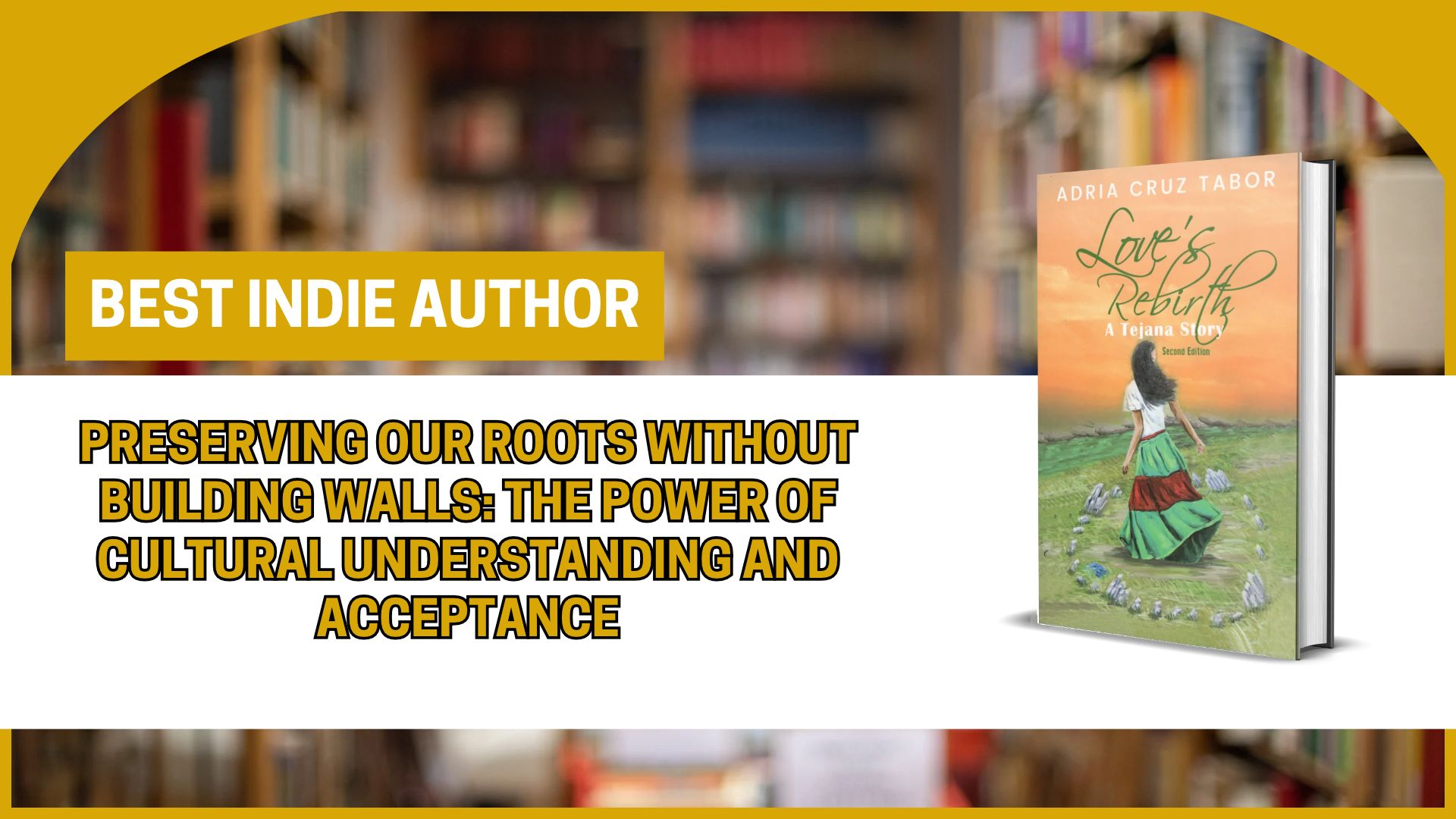
In Love’s Rebirth: A Tejana Story, Adria Cruz Tabor explores this delicate balance through life in nineteenth-century Texas, where Mexican, Indigenous, European, and other cultural influences intersect. Against a backdrop of political uncertainty and changing social boundaries, the community of Santo Tomás demonstrates how everyday relationships can create understanding across differences.
The town’s families speak different languages, practice different traditions, and carry distinct histories. Children grow up playing together, while neighbors establish businesses, share responsibilities, and support one another. These connections illustrate an important lesson: cultural acceptance develops through ordinary human interaction, not simply through declarations of tolerance.
However, coexistence does not mean discrimination disappears.
One particularly meaningful episode in Love’s Rebirth: A Tejana Story concerns Juan Pérez, a free Black blacksmith whose family faces the threat of displacement under discriminatory laws. Rather than ignoring his circumstances, members of Santo Tomás organize a petition supporting his right to remain in their community. Their response demonstrates that genuine acceptance requires more than friendliness. It sometimes demands collective action when someone else’s dignity or security is threatened.
Equally significant is the relationship between cultural heritage and spiritual understanding. Indigenous traditions, Catholic beliefs, and personal spiritual practices exist alongside one another. Through conversations involving Pedro Ximénez, Abuela Brau, and Fray Francisco, differing perspectives become opportunities for reflection rather than automatic reasons for rejection.
Adria Cruz Tabor also connects acceptance with education. When Ana Dolores Peregrino is offered a teaching position, she insists that children of every race and background must be welcome. Her decision reflects a practical understanding that the values taught to younger generations influence the kind of community they will eventually build.
These lessons remain relevant in multicultural workplaces, classrooms, and neighborhoods today. People do not need identical backgrounds to cooperate meaningfully. They need opportunities to listen, acknowledge differences, and recognize one another’s contributions.
Respecting cultural identity can begin with simple actions: learning how someone prefers to communicate, asking thoughtful questions about unfamiliar traditions, and challenging unfair assumptions before they influence decisions. Institutions can reinforce these values by ensuring that participation and opportunity are not restricted by ancestry or background.
Preserving our roots means remembering the people, experiences, and traditions that shaped us. Building bridges means allowing that inheritance to deepen our understanding of others.
Cultural acceptance is not about becoming the same. It is about creating a society where differences can remain visible without becoming barriers to belonging. When heritage is preserved with openness rather than fear, it becomes a source of connection, dignity, and shared humanity.
DISCOVER A STORY OF LOVE, HERITAGE, AND NEW BEGINNINGS!
Explore the beauty of cultural identity, acceptance, resilience, and the enduring power of love in Love’s Rebirth: A Tejana Story by Adria Cruz Tabor. Experience an unforgettable journey through nineteenth-century Texas, where tradition, spirituality, and human connection come together.
Available in 4 Formats: Kindle eBook, Paperback, Hardcover, and Audiobook.
Get Your Copy Today: Buy Now on Amazon
Visit the Author’s Official Website: https://adriacruztabor.com/