If you are a new parent with no prior experience handling a baby or entering the world of foster care or adoption, you might be clouded by romanticized ideals. We should be giving thanks to our society for this, because they love to feed prospective parents a comforting narrative, telling them that if you take in an infant, you bypass all the messy behavioral challenges of older kids because babies are a blank slate. This dangerous misconception sets families up for exhaustion, confusion, and burnout.
If you are a future parent considering opening your heart to a child, here are six essential truths you need to know before you take the plunge:
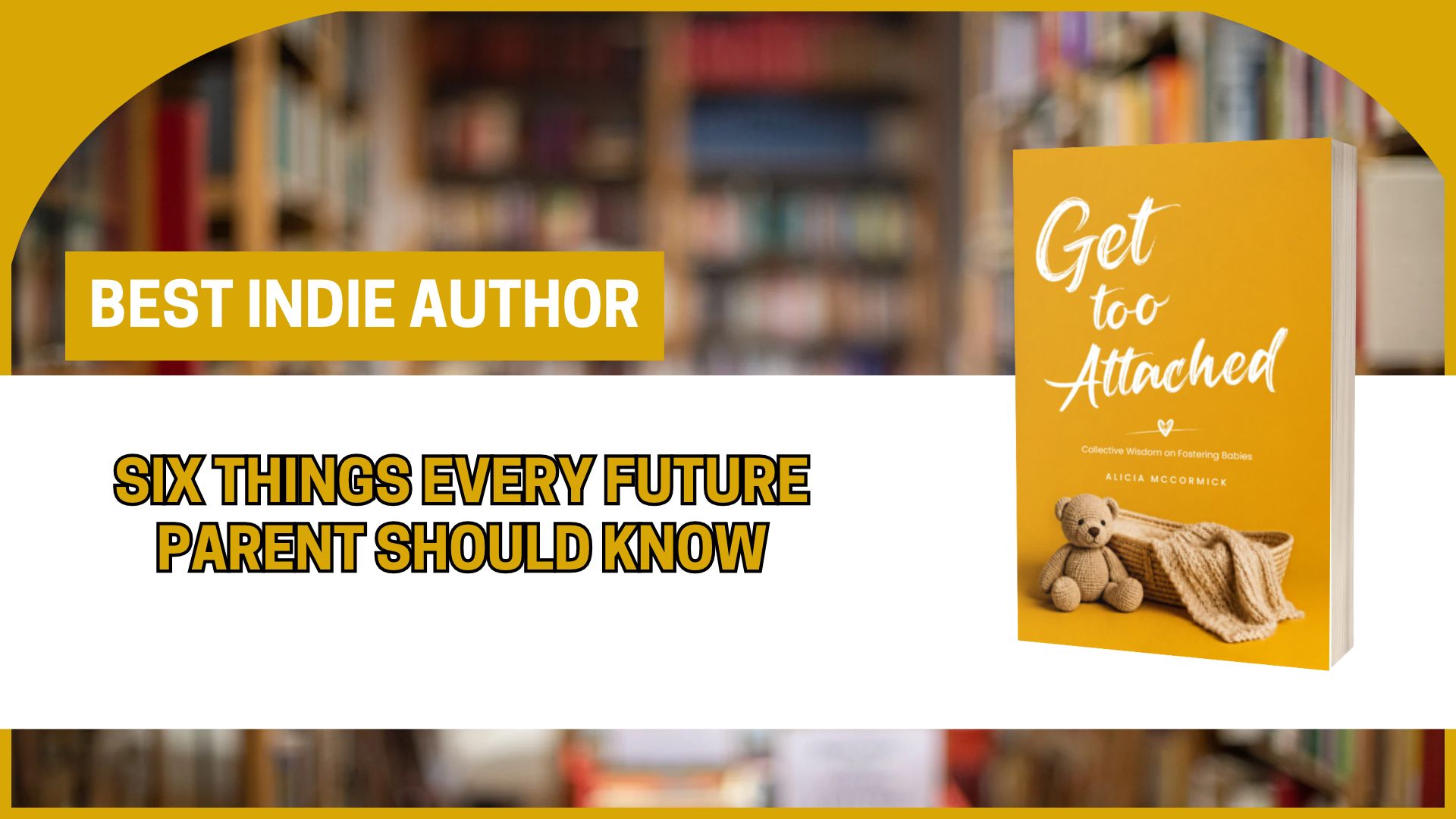
- The “Perfect Baby” Myth: This is perhaps the most pervasive and harmful myth in child welfare. Many people believe that if an infant sleeps quietly, rarely cries, and accepts being handed to strangers without fuss, they are simply an “easy, good baby.” As highlighted in Get Too Attached: Collective Wisdom on Fostering Babies by Alicia McCormick, PhD, these behaviors are frequently warning signs of infant dissociation, trauma shutdown, or hyper-independence. An infant who has experienced severe neglect or prenatal stress learns quickly that crying brings no relief, so they disconnect from their own needs to survive. Recognizing this distinction is crucial for trauma-informed parenting.
- Trauma Starts Before Birth: Prenatal stress hormones cross the placental barrier, bathing a developing fetus in fear and survival chemistry. Coupled with substance exposure or the profound attachment injury of being separated from a birth mother at birth, babies carry complex trauma long before they enter your home.
- Traditional Parenting Won’t Work: Standard methods like “crying it out,” strict behavior charts, or timeout punishments fail entirely with traumatized children. These kids require connection-first, attachment-focused parenting that prioritizes co-regulation, deep pressure touch, and relentless emotional presence.
- Foster Care is Not a Fast Track to Adoption: Too many people view foster care as a cheap or convenient route to build a family. In reality, foster care’s core mission is reunification. Foster parents must be willing to love a child as their own while simultaneously hoping, praying, and working toward a safe return to their biological family.
- Secondary Trauma is Real: Caring for a child who has endured hard things means absorbing their grief alongside your own. Without personal therapy, intentional self-care, and a robust support system, caregiver burnout is almost guaranteed.
- You Need a Specialized Village: Raising a child with developmental trauma requires more than standard family support. You need a community of fellow foster parents trauma-informed therapists, and friends who understand that your life will look different, move slower, and demand radical patience.
To truly prepare yourself for this journey, reading Get Too Attached by Alicia McCormick, PhD is an absolute must. It cuts through the noise, dispels the myths, and gives you the honest, collective wisdom needed to love a wounded child well.
Read the book on Amazon: https://a.co/d/021kJ9Y3