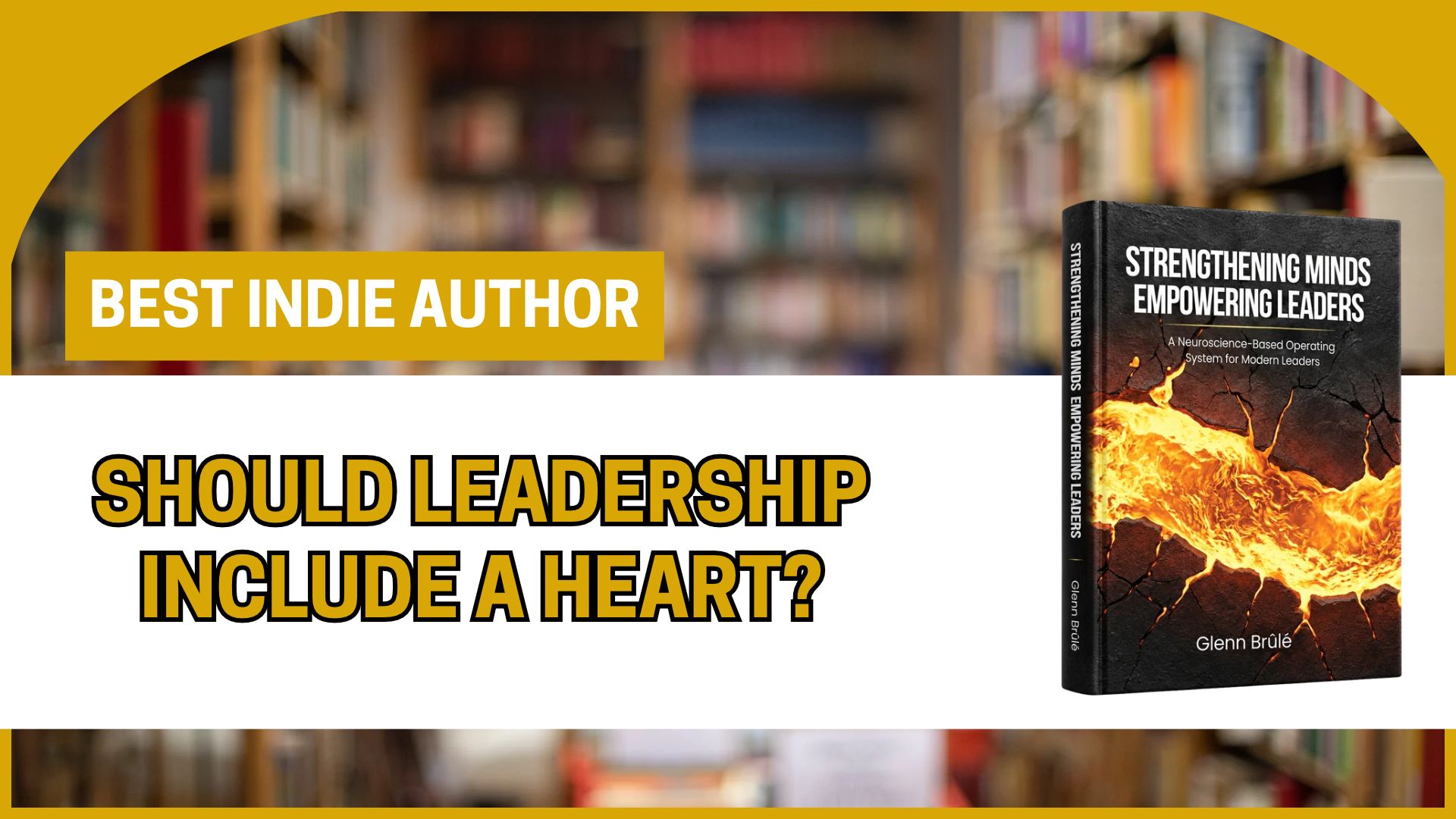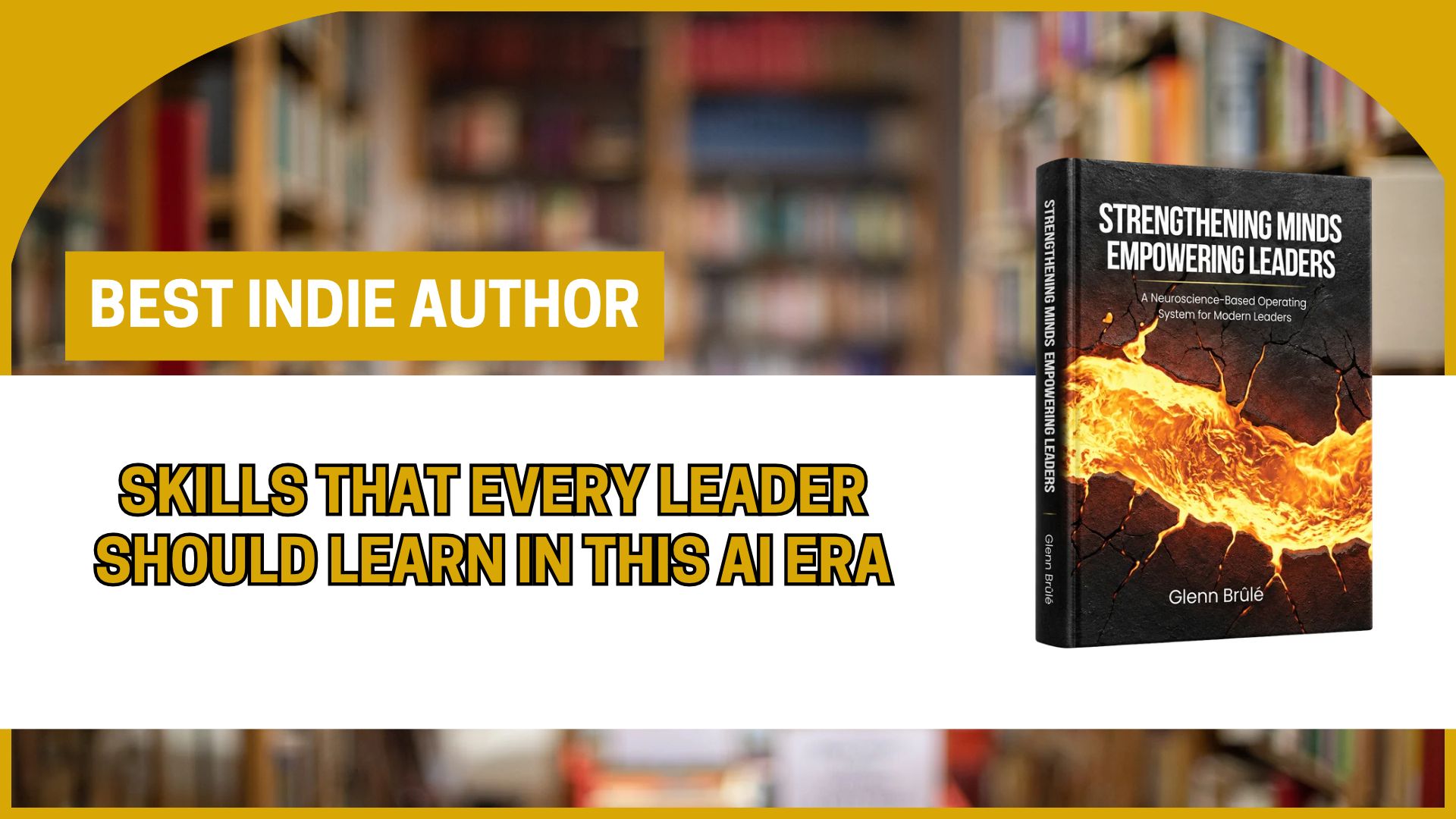
Before diving into these essential competencies, every forward-thinking manager should read Strengthening Minds, Empowering Leaders: A Neuroscience-Based Operating System for Modern Leaders by Glenn Brûlé. This book works as a blueprint for the AI age, emphasizing that as machines take over technical processing, human leaders must focus inward. They should leverage neuroscience and behavioral psychology to master their own minds, build cognitive resilience, and lead with authentic emotional intelligence to better lead and yield positive results.
As artificial intelligence rapidly reshapes the global economy, automating routine tasks, analyzing massive data sets at lightning speed, and rewriting the rules of productivity, the nature of human leadership is undergoing a radical evolution. One could think: what value do human leaders bring to the table? Technology can process data, but it cannot cultivate empathy, navigate complex interpersonal friction, or regulate human emotions under pressure. To thrive in this era of relentless technological disruption, leaders must master a distinct set of human-centric capabilities.
Here are eight vital skills every leader must cultivate in the AI era.
1. Advanced Emotional Regulation
In a high-speed technological landscape, stress and burnout are at an all-time high. Leaders must learn how to master their nervous systems, recognizing when automated threat-and-defense mechanisms are hijacking their decision-making so they can remain calm and focused amidst disruption.
2. Neuroplastic Adaptability
The capacity to unlearn old habits and rapidly acquire new mental models is more critical than ever. Leaders must embrace the brain’s lifelong adaptability, treating their own cognitive capabilities as a muscle that can be systematically strengthened through deliberate practice.
3. Radical Self-Awareness and Feedback Seeking
AI can give you objective data, but it cannot tell you your blind spots. Modern leaders must actively dismantle their egos, welcoming uncomfortable truths and cultivating trusted colleagues to challenge their assumptions rather than falling into self-delusion.
4. Human-Centric Empathy and Trust Building
While AI excels at task management, human connection drives organizational loyalty. Leaders must excel at understanding how their behavior impacts others, creating psychologically safe environments where teams feel secure to innovate and take risks.
5. Integrated Systems Thinking
Instead of relying on fragmented leadership hacks, leaders must view their organizations through an integrated operating system lens—aligning core purpose, internal psychological capacity, and outward behavior into a cohesive whole.
6. Cognitive Endurance Under Pressure
The pace of business in the AI era is relentless. Leaders need the mental stamina to sustain clarity, prevent decision fatigue, and navigate prolonged ambiguity without sacrificing their well-being or team morale.
7. Intellectual Humility
The era of the “all-knowing boss” is over. Leaders must model curiosity over certainty, admitting what they do not know and fostering a culture of continuous, collective learning.
8. Intentional Habit and Behavior Alignment
Knowing what to do is useless if you cannot execute it under stress. Leaders must master the science of habit formation, ensuring that their daily actions align with their long-term strategic and cultural goals.
In the end, being a leader in the AI era is no easy task. It takes extra effort, adaptability, and emotional intelligence, along with empathy, to build productive, diverse teams. While these skills may vary from one leader to another, we hope that developing and applying them will help you become a more successful leader, specifically in this increasingly AI-driven era.
Get the book on Amazon: https://www.amazon.com/dp/B0HK4YBJHR