Most travellers view airports as places of transit and waiting. Gates, boarding calls, security lines, and overhead announcements form a familiar backdrop. What many people do not realize is that airports can change rapidly. In a matter of minutes, they can shift from orderly transit hubs into scenes of medical urgency and emotional crisis. When that happens, airport staff often become the first line of response, long before doctors or emergency teams arrive.
Airports operate under constant pressure. Thousands of people move through them daily, each carrying personal stress, health conditions, and unpredictable circumstances. When something goes wrong, there is rarely time to pause and reflect. A passenger collapses at a gate. A child arrives unaccompanied with no one waiting. A flight lands carrying grief instead of relief. These moments demand immediate action, even though most ground staff are not medically trained.
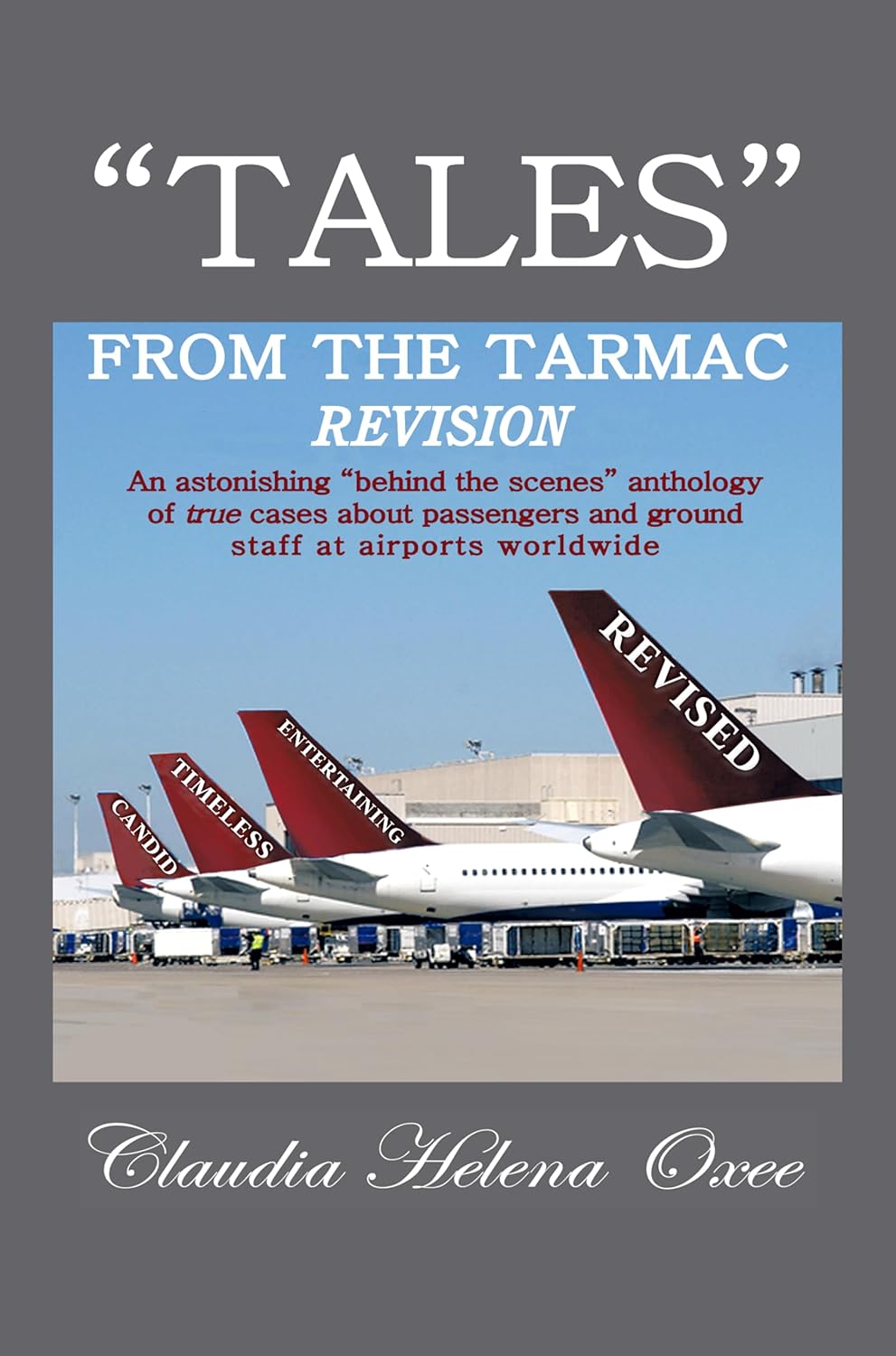
Author Claudia Helena Oxee explores crisis moments depicted in the book, Tales From the Tarmac: REVISION, including aviation disasters and medical emergencies, and shows how ground staff become first responders without formal training. Drawing from real experiences at some of the world’s busiest airports, the book reveals how frontline workers step into roles they never expected to fill.
Medical emergencies are among the most common and challenging situations that healthcare providers face. A passenger may faint from exhaustion or dehydration. Another might suffer a panic attack or experience sudden illness during a delay. Ground staff must assess the situation quickly, call for medical assistance, manage the surrounding passengers, and ensure that operations continue. Their decisions can affect both safety and dignity, all under public scrutiny.
The book also explores moments of large-scale crisis, including aviation disasters where airports become centers of grief rather than departure. Families gather in waiting areas, desperate for information. Staff members are tasked with guiding them through shock, fear, and loss. In these situations, there is no script. Workers rely on empathy, calm communication, and teamwork to support individuals facing the most challenging moments of their lives.
Another example comes from handling vulnerable passengers. Unaccompanied minors, elderly travellers, or individuals with cognitive challenges may require care far beyond standard procedures. When something goes wrong, airport employees often provide emotional reassurance, food, shelter, and protection until help arrives. These responsibilities fall outside job descriptions, but they are accepted without hesitation.
What makes these moments remarkable is not heroics but humanity. The staff do not seek recognition. They act because someone needs help and no one else is there yet. The airport becomes a temporary emergency room, staffed by people whose primary training is logistics, not medicine.
Understanding this hidden reality alters our perspective on air travel. Delays and disruptions may still be frustrating, but behind them are professionals managing far more than schedules and luggage. They are working people at their most vulnerable.
For travellers, aviation enthusiasts, and anyone curious about what happens beyond the boarding gate, the audiobook Tales From the Tarmac: REVISION offers an honest and engaging listening experience drawn from real-life events.
Tales From the Tarmac: REVISION in all book formats and audio is now available worldwide via Amazon, etc.
Here’s the Amazon link: https://www.amazon.com/T/dp/B0FLVXSHWD/.
Please feel free to share your thoughts and comments with us: TFTTreply@gmail.com.