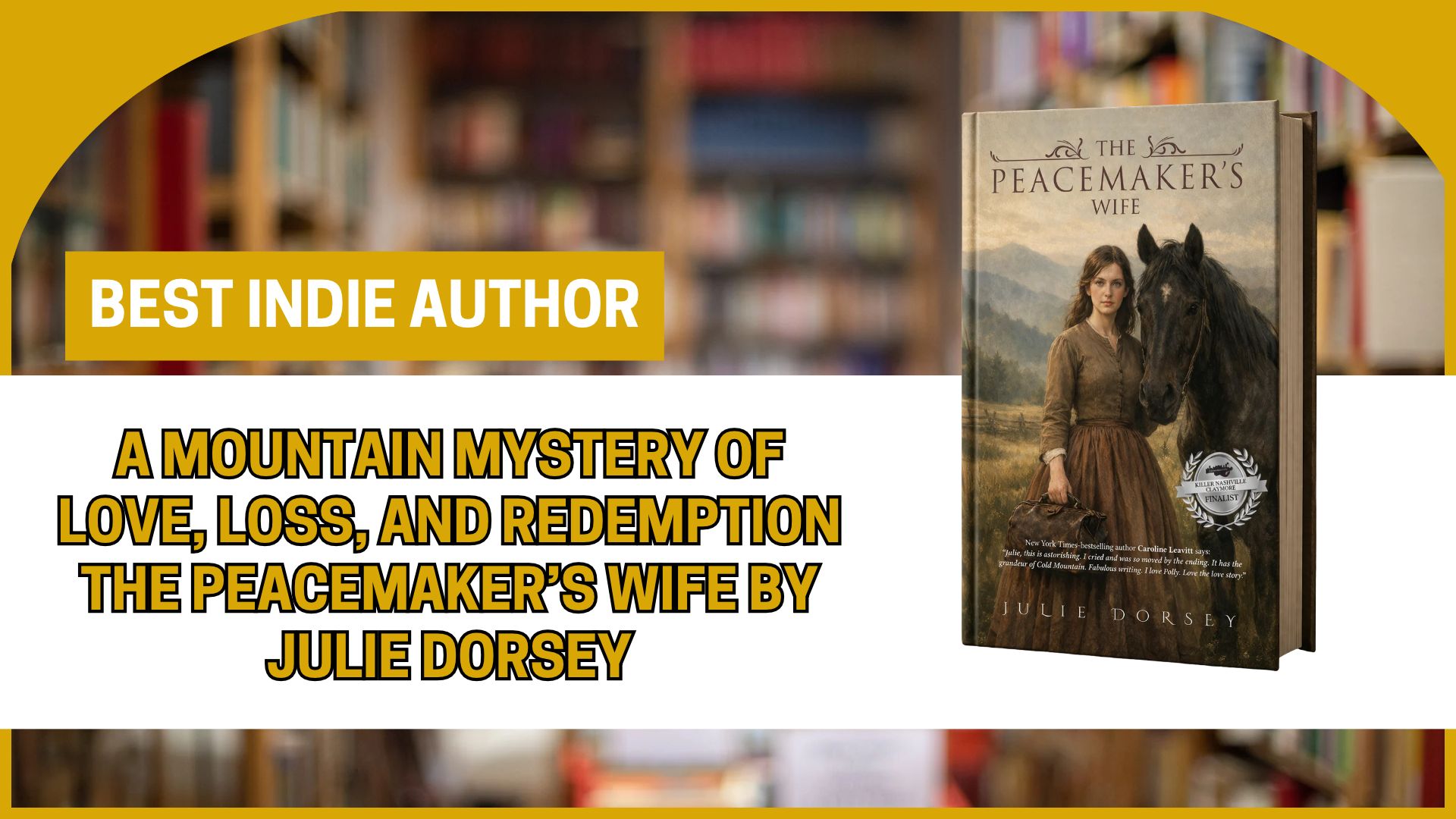
In historical fiction, complexity is the heartbeat of a memorable character. When readers dive into tales set in the 19th-century American frontier, they often expect clear-cut heroes and villains. However, the most compelling narratives thrive in the gray areas, where public reputation and private reality collide. One of the most fascinating character studies to emerge in recent Appalachian historical fiction is the stark dichotomy between a man revered as a community healer and peacemaker and the private abuser he becomes behind closed doors. This duality explores the chilling reality of how charm, public standing, and community trust can mask profound darkness.
The Persona of “The Peacemaker”
In tight-knit, isolated historical communities like the Blue Ridge Mountains, stability is a precious currency, especially when the story introduces us to a man with a quick mind who settles boundary disputes, resolves bitter wills, and mediates local feuds naturally, earning the title of “The Peacemaker”. To the outside world, he is rational, wise beyond his years, and deeply relied upon. This public persona is built on eloquence, logic, and a calm exterior that commands respect from neighbors, law enforcement, and local leaders.
In The Peacemaker’s Wife, John Justice embodies this exact paradox: to the county commissioners and the citizens of Blue Ridge, he is a rising intellectual force. He was a man trusted to restore order when chaos threatens to tear the community apart. This creates a formidable public armor. When a man is celebrated as a pillar of peace in public, his internal contradictions become all the more jarring. It creates powerful dramatic irony: how can someone who understands the mechanics of conflict resolution in a courtroom or a field utterly fail to maintain peace in his own home?
The Reality of the Abuser
The transition from a respected community mediator to an abusive domestic tyrant highlights a chilling psychological truth where control is often the root motivation. Behind closed doors, away from the admiring eyes of townspeople and the structured rules of public arbitration, the facade drops. Frustration turns to volatility, and the verbal dexterity used to settle disputes is replaced by intimidation, economic or physical restriction, and cyclical rage.
What makes this dynamic so harrowing in historical fiction is the victim’s complete isolation. In an era where legal systems offer virtually no protection for women within marriage, and where societal expectations demand absolute obedience, the abuser holds absolute structural power. The public sees a visionary; the private partner sees a jailer. This contrast deepens the story’s emotional stakes, forcing protagonists to find internal strength, cultivate secret rebellions, and seek survival in a world that refuses to look beneath the surface.
For fans of deep, character-driven drama, exploring the “peacemaker versus abuser” dynamic offers a profound look at human psychology and challenges readers to look past titles, community standing, and outward charm to examine the true measure of a person’s character, and someone is real-life as well. Such stories with powerful characters and antagonists shift the tension from external threats like regional feuds or natural disasters to an intimate, psychological battleground inside the home, helping readers to better understand the reality behind closed doors.
So, if you want to explore this subject in detail, follow Polly’s life in the late 1850s in North Carolina’s Blue Ridge Mountains. 16-year-old Polly King marries 19-year-old John Justice, known as the Peacemaker for his skill in settling disputes. Soon, however, they clash, and Polly learns her husband was only a peacemaker on the outside. From the inside, he’s a violent alcoholic who wants her home. But instead of being grounded and fearful, Polly devoted her life to surviving the abuse and manipulation.
Read this book to learn more: https://www.amazon.com/dp/B0GHKW5LCV/.