The rise of Nazi Germany was not achieved through political force alone. Propaganda played a central role in shaping public opinion, spreading Nazi ideology, and presenting Adolf Hitler as the only leader capable of restoring Germany’s strength.
Following the First World War, Germany faced economic hardship, political instability, and deep national resentment. The Nazi Party used these conditions to its advantage. Its propaganda offered simple explanations for complex problems and identified groups that could be blamed for the country’s suffering. Jews, communists, political opponents, and foreign powers were repeatedly presented as threats to German unity and survival.
Hitler’s speeches were carefully designed to provoke emotion. He spoke about humiliation, betrayal, national pride, and renewal. Rather than encouraging careful political thought, his language appealed to anger, fear, and hope. Large rallies, military uniforms, flags, music, and repeated slogans created a sense of strength and belonging. These carefully organised events made the Nazi movement appear disciplined, united, and unstoppable.
Once the Nazis took power, propaganda entered almost every part of German life. Newspapers, radio programmes, films, posters, schools, and public ceremonies carried approved messages. Competing political views were suppressed, while Hitler’s image was presented constantly as that of a powerful and devoted national leader.
Radio became especially important because it allowed Nazi speeches and announcements to reach millions of homes. Repeated exposure to the same claims helped make extreme ideas appear ordinary. Military aggression was described as national defence. Territorial expansion was presented as the recovery of German lands. Persecution was disguised as protection from supposed enemies.
Propaganda also encouraged loyalty to Hitler personally. His decisions were presented as expressions of the national will. Supporting Germany increasingly meant supporting the Führer, while questioning his authority could be treated as betrayal.
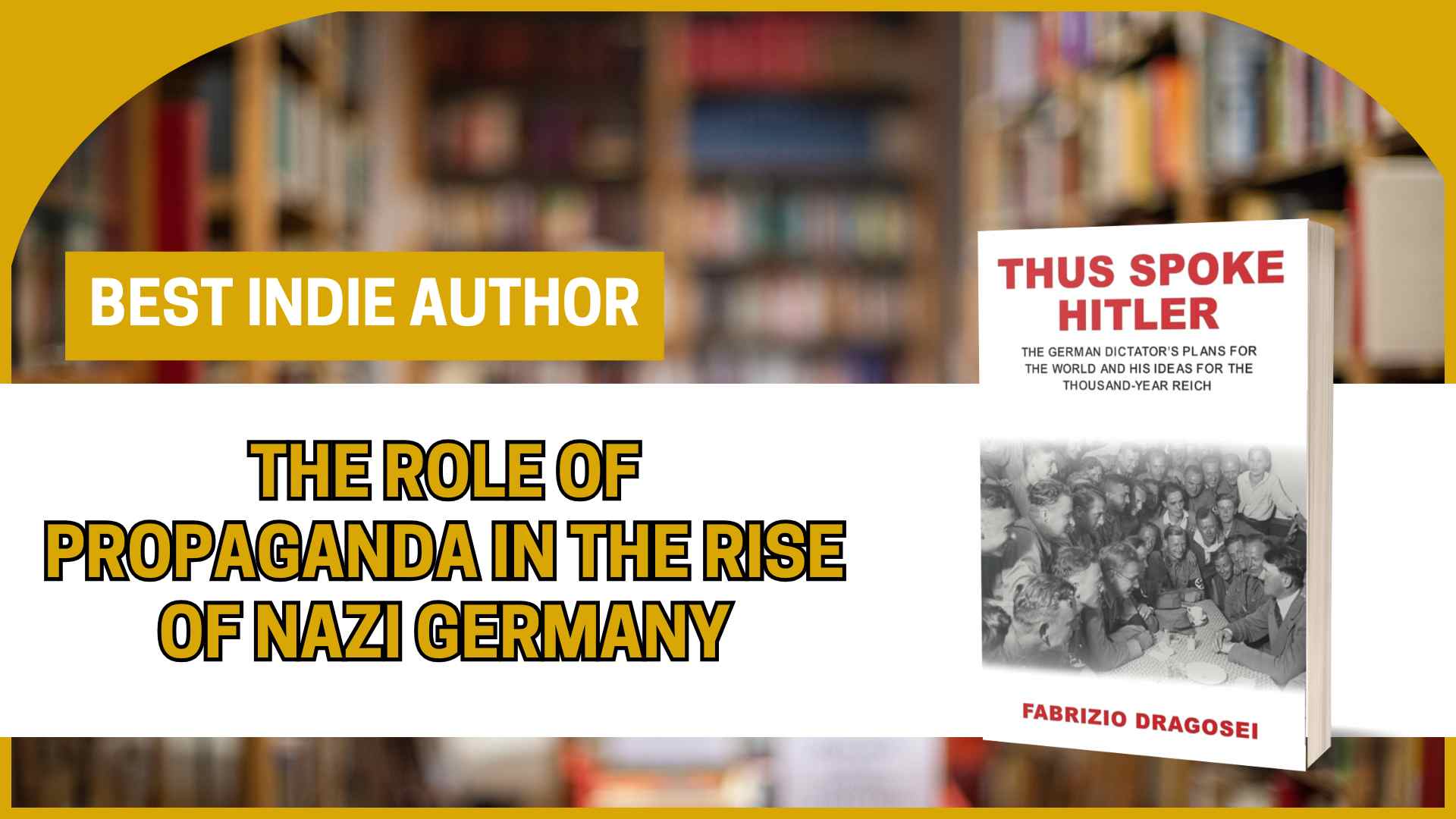
Thus Spoke Hitler by Fabrizio Dragosei examines the history of Nazism through Hitler’s own speeches, private conversations, military discussions, and recorded declarations. By placing these words within their historical context, the book shows how propaganda helped convert resentment into obedience and political extremism into state policy.
This detailed historical account gives readers a closer view of the language, promises, and calculated messages that supported Hitler’s rise. It demonstrates how control over information can weaken independent judgment, silence opposition, and prepare an entire society to accept persecution and war.
Read the book and discover history through authentic sources. https://www.amazon.com/dp/B0FT68K2C2/