In A Sting in the Tale: Short Spooky Stories for Kids by Diane Whylie, the opening story The Cool Kids introduces young readers to a situation that feels immediately familiar. Wanting to belong. Wanting to be liked. Wanting to feel included. These emotions are universal in childhood, and Diane Whylie captures them with remarkable sensitivity before leading the story into a chilling and memorable conclusion.
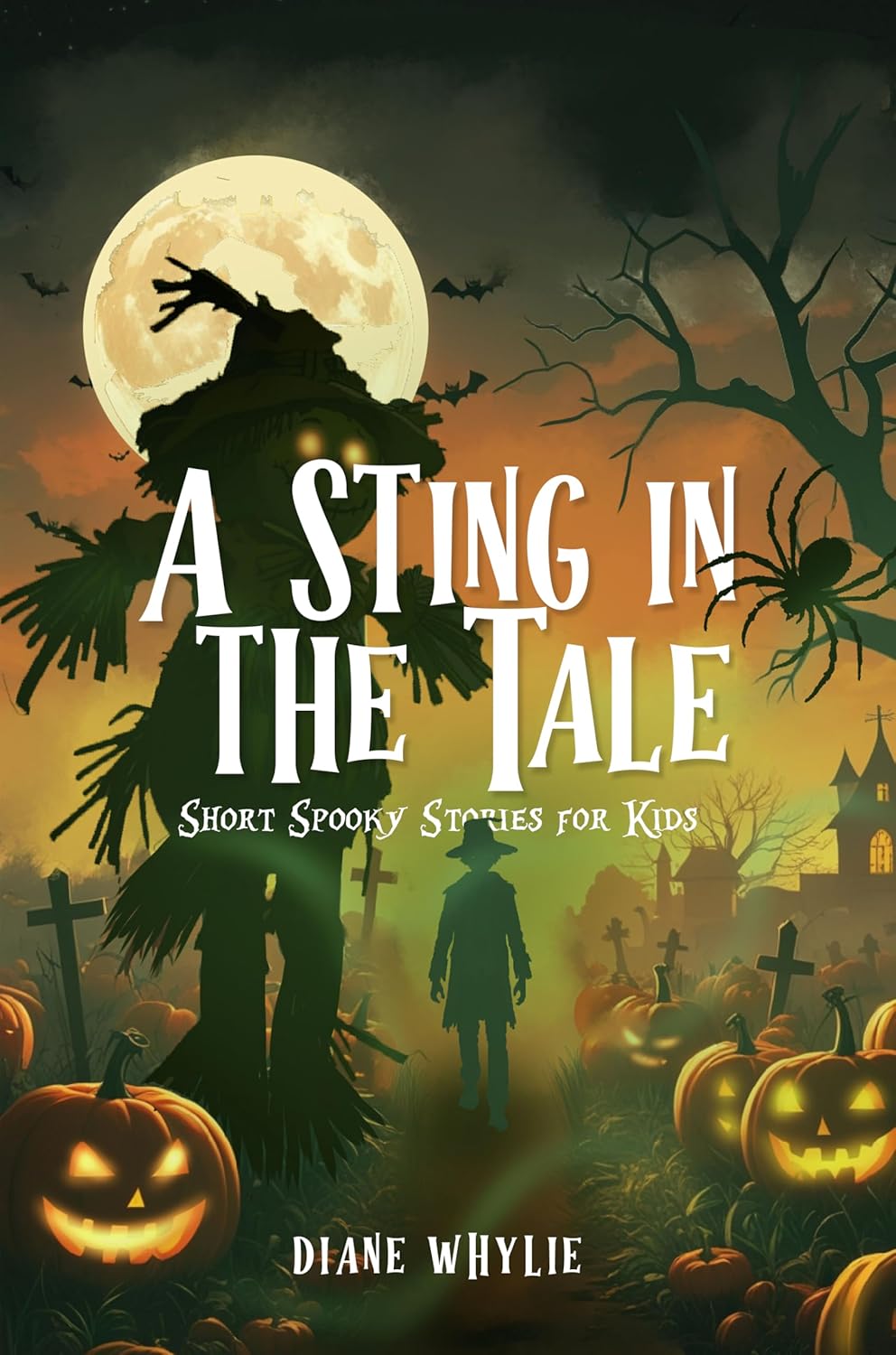
At its heart, The Cool Kids is not simply a spooky tale. It is a powerful exploration of peer pressure, honesty, and the emotional cost of trying too hard to fit in.
The Pressure to Belong
Violet’s longing to be accepted by the popular group reflects a common experience for many children. School environments often create social hierarchies, and children quickly become aware of where they stand. Violet already has a loyal friend in Felicity, yet she believes that popularity will bring happiness, excitement, and validation.
This mirrors real childhood thinking. Belonging is often equated with worth. Diane Whylie portrays this internal struggle in a way that feels authentic and relatable, allowing young readers to recognize their own feelings in Violet’s thoughts and decisions.
The Risk of Abandoning True Friendship
One of the most important lessons in The Cool Kids is the quiet cost of dishonesty. Violet lies to her genuine friend in order to pursue acceptance from the so-called cool kids. This choice, though small in the moment, becomes emotionally significant as the story unfolds.
The story gently reinforces the idea that genuine friendship is built on trust and loyalty, rather than status. Violet’s regret over lying to Felicity is not shouted at the reader. Instead, it sits beneath the surface, growing heavier as events spiral out of control.
Peer Pressure and Its Consequences
The maze itself becomes a powerful symbol. It represents the confusing paths children navigate when they chase approval at the expense of their own values. The cool kids manipulate Violet, using her desire to belong against her. This moment highlights how peer pressure can lead children into situations where they feel powerless and isolated.
Diane Whylie does not shy away from showing how cruelty can exist under the surface of popularity. The story makes it clear that being admired does not always mean being kind.
A Supernatural Twist with Emotional Weight
The eerie transformation of the cool kids into stone statues elevates the story from realism into cautionary fantasy. Yet the true horror is not the supernatural element. It is the realization that Violet’s wish, spoken in anger and hurt, carries irreversible consequences.
This twist reinforces an important lesson for young readers. Words matter. Emotions matter. Acting out of resentment or jealousy can lead to outcomes we cannot undo.
A Thoughtful Lesson Without Preaching
What makes The Cool Kids especially effective is its restraint. Diane Whylie does not tell readers what to think. Instead, she allows them to feel Violet’s fear, regret, and realization alongside her.
For parents and educators, this story opens the door to meaningful conversations about friendship choices, honesty, and self-worth. For children, it delivers a memorable lesson wrapped in suspense and imagination.
Why This Story Resonates?
The Cool Kids resonates because it respects its audience. It recognizes that children face genuine emotional challenges and that storytelling can be a safe means of exploring them. By blending social realism with spooky fantasy, Diane Whylie ensures the lesson lingers long after the final line.
Within A Sting in the Tale, this story sets the tone for a collection that is both entertaining and deeply thoughtful. Purchase your copy of this amazing book from Amazon to read other stories as well. Here is a link to purchase: https://www.amazon.com/dp/B0G36DMKNZ/.