The relationship between the United States and China did not become complicated overnight. It has been shaped by war, ideology, diplomacy, economic cooperation, strategic rivalry and decades of changing assumptions on both sides.
That history matters.
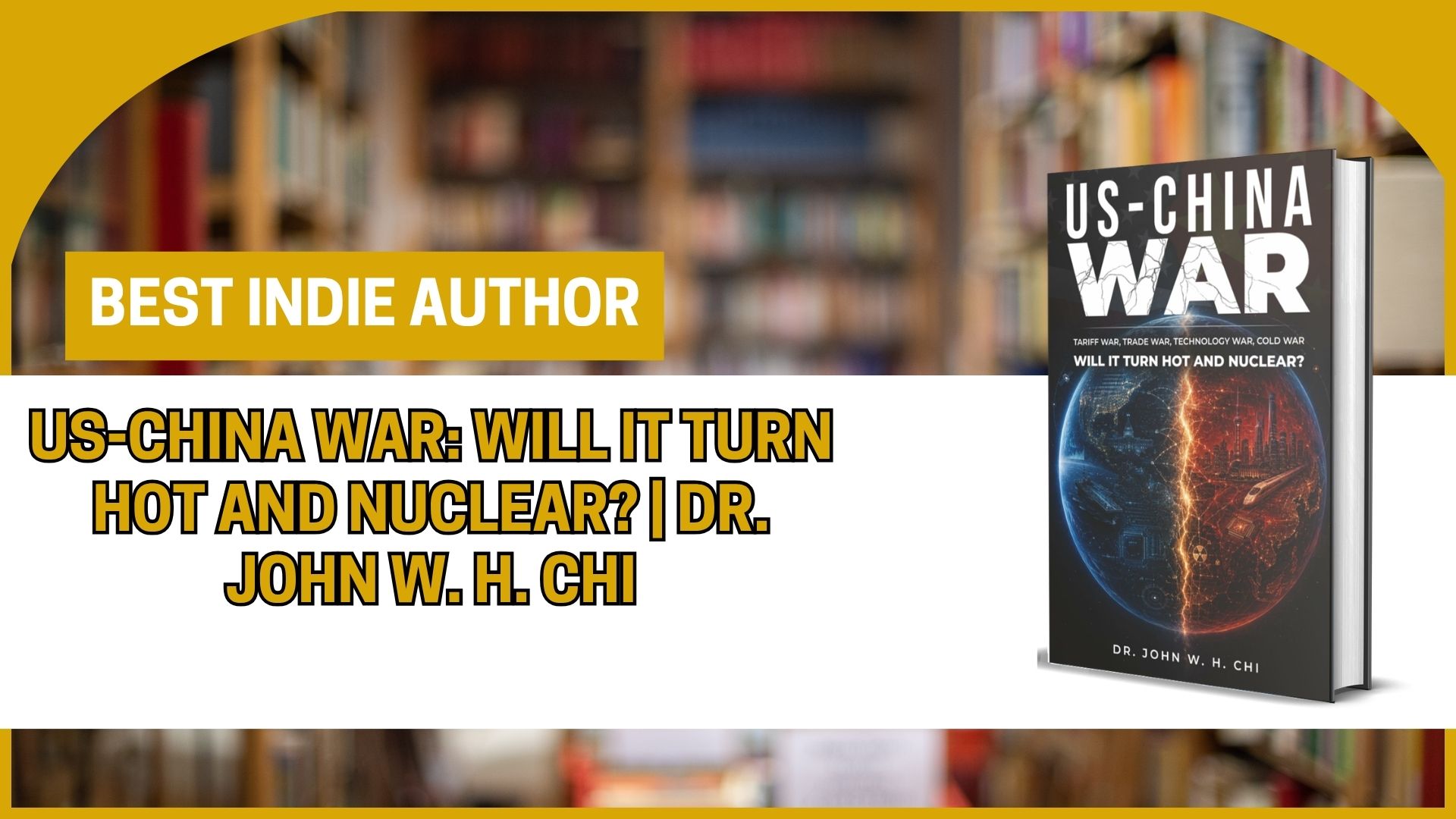
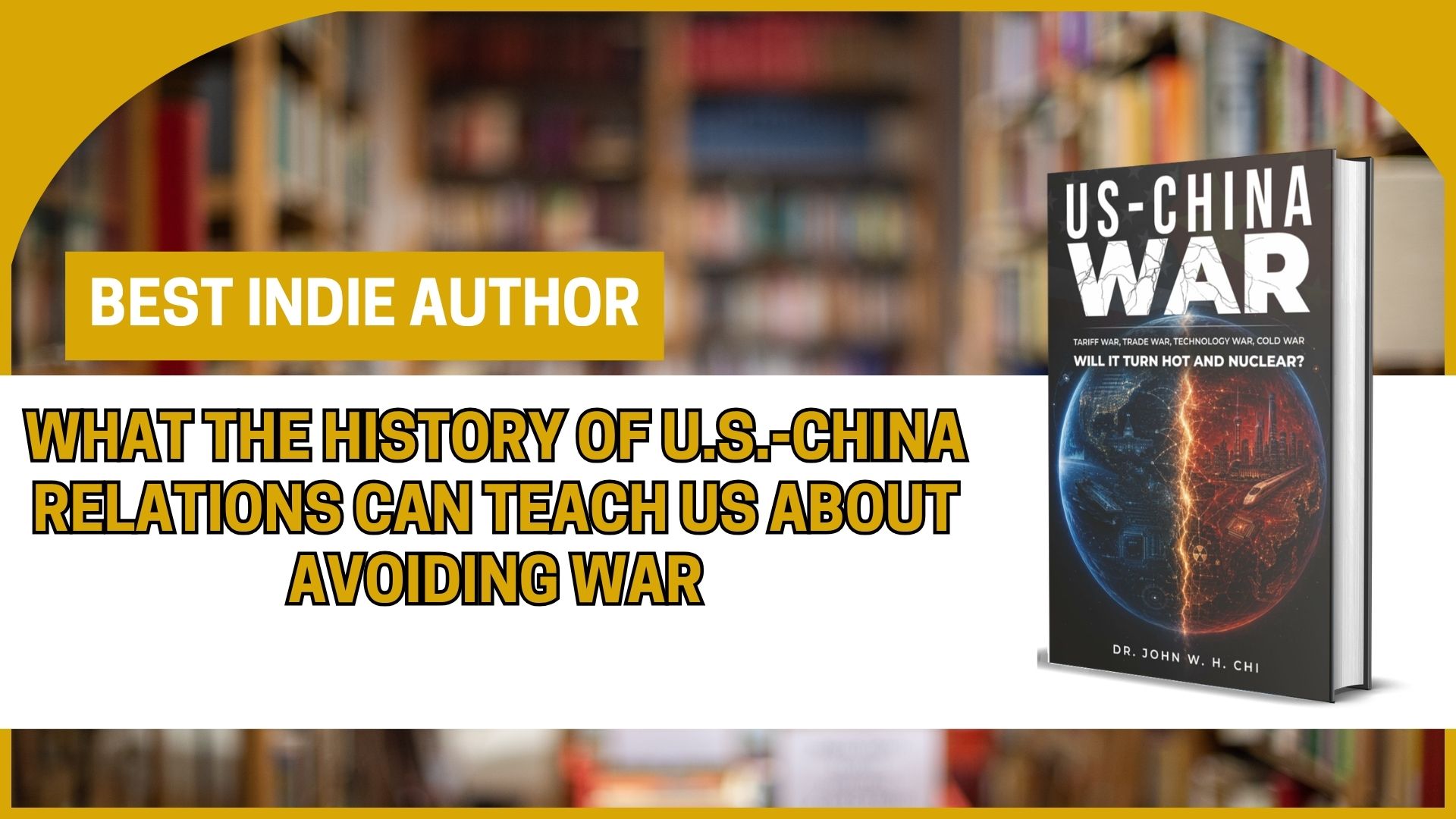
In US-China War: Will It Turn Hot and Nuclear?, Dr. John W. H. Chi argues that understanding the past is essential if today’s leaders and citizens want to prevent competition from turning into military conflict. His book looks back at key turning points in U.S.-China relations while asking a forward-looking question: Can history help the two countries avoid repeating dangerous patterns?
From Hostility to Cooperation
Dr. Chi traces the modern relationship through the Cold War era, when the United States viewed the newly established People’s Republic of China as a strategic and ideological adversary.
The Korean War deepened that hostility, while U.S. support for Taiwan and a broader policy of containment reinforced the divide. Yet the relationship changed dramatically in the late 1960s and early 1970s as both Washington and Beijing saw strategic value in improving ties. President Richard Nixon’s historic engagement with China helped open the path toward normalization.
Formal diplomatic relations were established under the Carter administration in 1978. The United States recognized the People’s Republic of China as the sole government of China, while the two sides continued to navigate disagreements over Taiwan.
The lesson is significant: even deeply hostile relationships can change when governments choose diplomacy.
Economic Engagement Changed Everything
Following Deng Xiaoping’s reforms, China opened itself to greater foreign investment and international trade. Companies from the United States, Europe, Japan, South Korea and elsewhere entered the Chinese market, helping create decades of expanding economic ties.
Dr. Chi shows how this period transformed China and also made the two economies increasingly interconnected.
But as China’s manufacturing, scientific and technological capabilities grew, the tone of the relationship changed again. The book describes rising U.S. concern over China’s technological advancement, followed by export controls, investment restrictions, sanctions and trade measures.
For Dr. Chi, history demonstrates how quickly cooperation can give way to suspicion when rivalry becomes the dominant political narrative.
Taiwan Remains the Most Dangerous Historical Fault Line
Taiwan has remained a sensitive issue throughout the modern U.S.-China relationship.
The book discusses how Washington and Beijing attempted to manage the issue through diplomatic understandings while continuing to disagree over military support and the future of the island. Today, Dr. Chi argues that military activity, arms sales, political visits and strategic signaling have made the issue increasingly dangerous.
History suggests that ambiguity and disagreement can sometimes be managed.
But they become much harder to manage when military pressure rises.
The Past Offers Another Choice
Despite the book’s warnings, Dr. Chi does not present war as inevitable.
In his conclusion, he emphasizes peaceful coexistence, mutual respect, cooperation and careful management of sensitive disagreements. The book argues that the United States and China both benefit when they cooperate and both stand to lose when confrontation becomes the default.
That may be the most important historical lesson of all.
U.S.-China relations have moved through hostility, rapprochement, partnership and renewed rivalry before. The relationship has changed because political choices changed.
US-China War: Will It Turn Hot and Nuclear? asks readers to consider whether today’s leaders will learn from that history or allow fear, competition and miscalculation to push two nuclear powers toward a conflict neither can truly win.
Read US-China War: Will It Turn Hot and Nuclear? by Dr. John W. H. Chi: https://www.amazon.com/dp/B0HC8TJT28/