In a world where training trends come and go, the methods that stand the test of time are the ones built on real experience. Few martial artists shaped modern fighting as strongly as Carlson Gracie. His approach to Brazilian Jiu-Jitsu and mixed martial arts continues to influence athletes across generations. What makes his system so valuable today is not just the techniques themselves, but the mindset and training structure behind them. These elements provide today’s fighters with solid tools they can rely on in high-pressure situations.
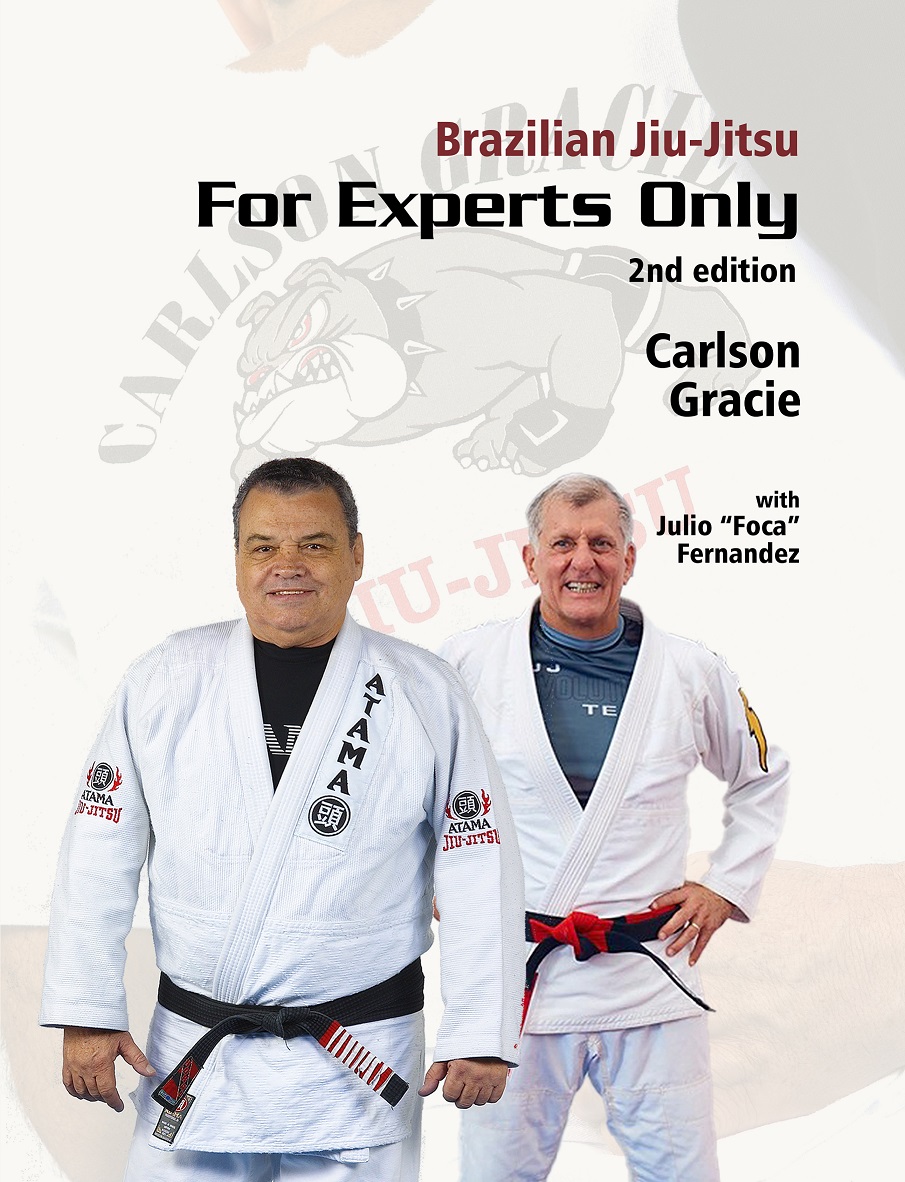
In the book, Brazilian Jiu Jitsu For Experts Only, by Carlson Gracie and Julio Foca Fernandez. Carlson’s experience came from decades of real competition. He applied his skills in both sport grappling and no-holds-barred fighting, long before the rise of modern MMA promotions. This combination of controlled competition and real combat gave him a clear understanding of what works under stress. He trained his students with this practical mindset, encouraging them to use techniques that held up regardless of the ruleset or opponent.
One of the first lessons today’s fighters can learn from Carlson is the importance of pressure and control. Carlson’s system favored a forward-moving style that aimed to overwhelm the opponent. It meant securing top positions, maintaining pressure on the hips and chest, and giving the opponent little space to escape. In modern MMA, this same strategy is evident in fighters who dominate with top control, ground striking, and constant pressure. The approach may look simple, but it is built on disciplined positioning and a deep understanding of leverage.
Another key lesson is the value of strong fundamentals. Carlson trained his students to master basic movements before adding complexity. A clean double-leg takedown, a tight guard pass, or a secure mount hold often mattered more than flashy techniques. These fundamentals allowed his fighters to remain consistent in long matches and adjust when the situation changed. Modern fighters who rely on solid takedowns, strong defense, and clear positional strategy often show the same stability and confidence that Carlson encouraged.
Carlson also emphasized adaptability. He believed that a fighter should know how to combine grappling with striking and understand when to switch between the two. This mindset shaped many successful fighters who learned to transition seamlessly from ground control to strikes or from stand-up range to takedowns without hesitation. Today’s fighters can still benefit from this balanced approach, especially in a sport where blending skills is essential.
His training also highlighted the importance of mental resilience. Carlson pushed his students to stay calm under pressure, keep a steady pace, and trust their preparation. This mental stability allowed them to handle tough opponents and unpredictable situations. Modern fighters who build this type of mindset often find themselves better prepared for long rounds and sudden changes in momentum.
For those who want a deeper understanding of Carlson Gracie’s methods, Brazilian Jiu-Jitsu For Experts Only by Carlson Gracie and Julio Foca Fernandez offers direct insight into the techniques and principles that shaped his system. It remains a valuable guide for fighters seeking practical and tested training methods.