As the workplace continues to evolve, companies are being challenged to rethink not just what work gets done but how it gets done. Traditional structures, rigid roles and top-down management styles are no longer enough to keep pace with rapid change. To stay competitive, organizations must tap into a more flexible, proactive and innovative workforce. One powerful way to do that is by encouraging “in-house freelancers.”
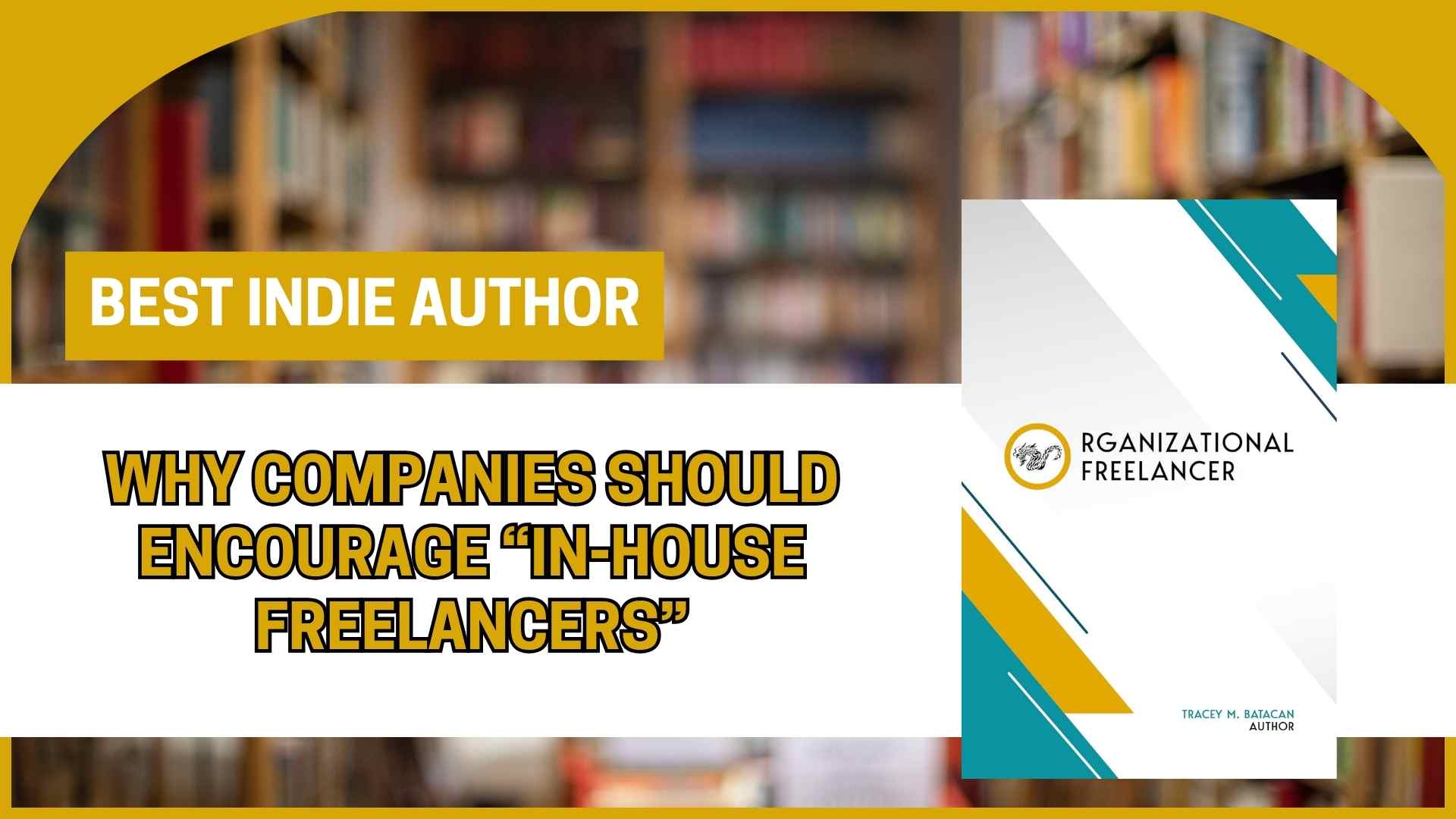
This concept, explored in Organizational Freelancer by Tracey M. Batacan, offers a fresh perspective on how companies can unlock the full potential of their people. An in-house freelancer isn’t someone who leaves the organization; they are employees who think and act like freelancers within it. They take ownership, seek opportunities and focus on delivering value beyond their job descriptions.
For organizations, the benefits of this mindset are significant.
First, it drives innovation. In-house freelancers don’t limit themselves to assigned tasks; they actively look for ways to improve processes, solve problems and create new opportunities. Because they are not confined by rigid thinking, they are more likely to challenge the status quo and bring forward ideas that can move the organization forward.
Second, it increases agility. In a fast-changing environment, companies need individuals who can adapt quickly. In-house freelancers are naturally flexible. They are comfortable navigating uncertainty, taking on new challenges and shifting priorities when needed. This adaptability allows organizations to respond to change more effectively without losing momentum.
Another key advantage is ownership. Traditional employee mindsets can sometimes lead to a “that’s not my job” attitude. In contrast, in-house freelancers take responsibility for outcomes. They don’t just complete tasks; they ensure results. This level of accountability leads to higher quality work, stronger performance and greater trust across teams.
Encouraging this mindset also enhances employee engagement. When individuals feel empowered to take initiative and contribute meaningfully, they become more invested in their work. They are not just following instructions; they are actively shaping outcomes. This sense of purpose can lead to increased motivation, satisfaction and retention.
Collaboration improves as well. In-house freelancers understand the importance of building relationships and working across boundaries. They communicate effectively, share knowledge and align their efforts with broader organizational goals. This collaborative approach breaks down silos and creates a more connected, cohesive work environment.
However, fostering this kind of culture requires intention. Organizations must move away from micromanagement and create space for autonomy. Leaders need to trust their teams, encourage experimentation and support calculated risk-taking. It is about shifting from control to empowerment.
Equally important is recognizing and rewarding value, not just activity. When employees are acknowledged for initiative, creativity and impact, it reinforces the behaviors that define an in-house freelancer. Over time, this shapes a culture where innovation and ownership become the norm.
Learning and development also play a crucial role. Companies should provide opportunities for continuous growth, allowing employees to expand their skills and explore new areas. This not only benefits individuals but also strengthens the organization’s overall capability.
Organizational Freelancer highlights that the future of work isn’t about choosing between structure and flexibility; it is about integrating the best of both. By encouraging employees to think like freelancers within the organization, companies can build a workforce that is proactive, adaptable and deeply invested in success.
Because in the end, the organizations that thrive will not be the ones with the most rigid systems but the ones with the most empowered people.