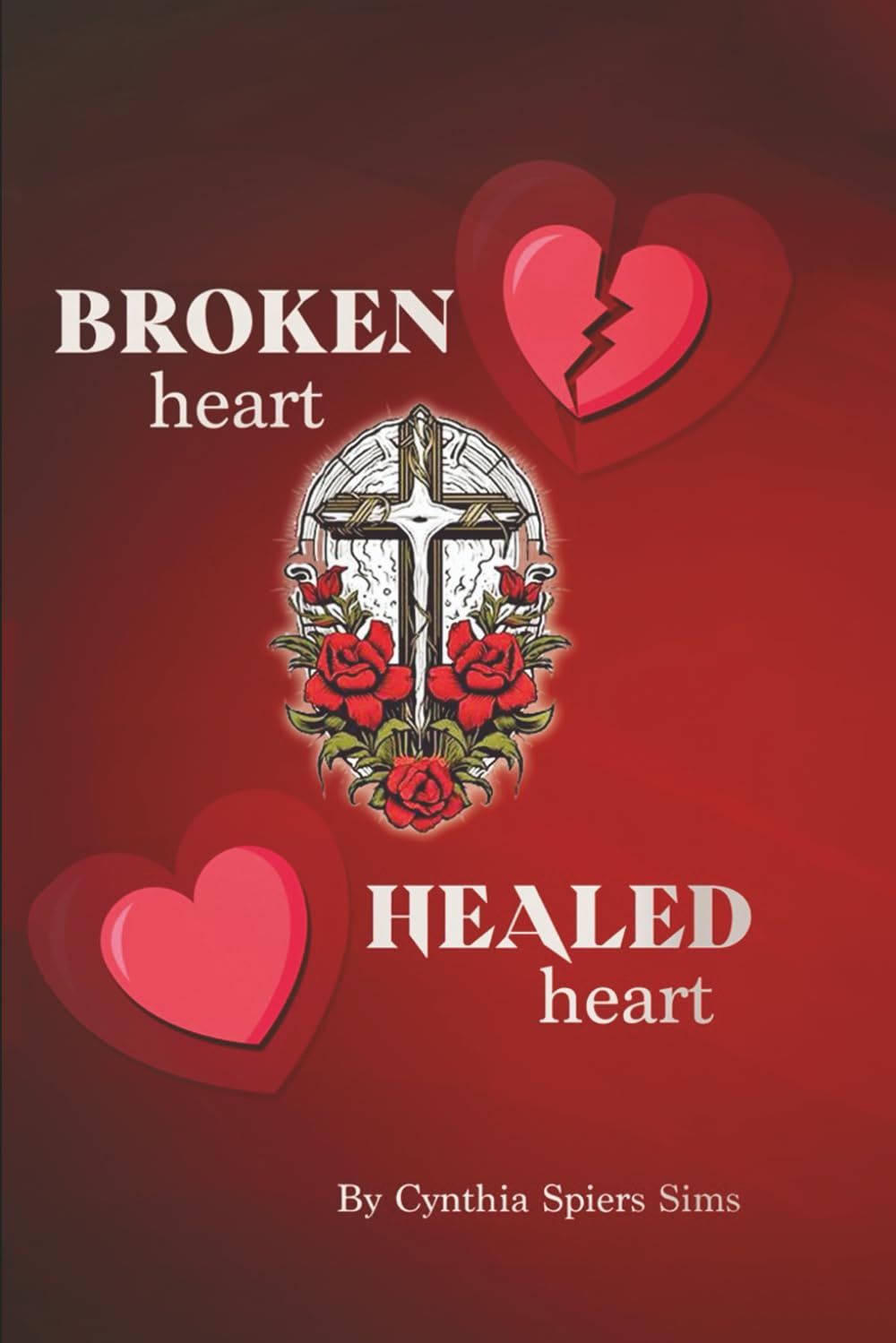
Healing is often pictured as a private journey, a quiet battle fought behind closed doors. We tell ourselves that if we just try harder or pray longer, we can fix what’s broken. But the truth is, none of us were designed to heal in isolation. Real recovery, whether from trauma, addiction, or loss, happens in the context of community. Cynthia Spiers Sims’ memoir, Broken Heart, Healed Heart, is a powerful reminder that while faith is personal, healing often comes through the support of others.
Cynthia’s story is filled with moments where community played a decisive role in her transformation. Her journey through addiction, incarceration, and the devastating loss of her children could have left her permanently isolated. Shame and guilt told her to withdraw, to believe she didn’t deserve help. However, God used mentors, pastors, and recovery ministries to remind her that she wasn’t meant to carry the weight alone. People prayed with her, guided her, and stood by her when relapse and heartbreak threatened to undo her progress. Their presence was proof that community is not optional. It is essential for healing.
Broken Heart, Healed Heart highlights this truth in practical ways. Cynthia describes how church families welcomed her, even when she looked too broken to belong. She recounts mentors who spoke encouragement when she doubted her worth. She writes of ministries that gave her not just resources, but also hope and accountability. These were not perfect people, but they were consistent. And it was their consistency that helped her rebuild her life step by step.
Why can’t we heal alone? Because pain thrives in secrecy. Addiction grows stronger in isolation. Trauma deepens when we convince ourselves that no one could understand. Community interrupts those lies. When others walk with us, they offer perspective, accountability, and encouragement that we cannot create by ourselves. Cynthia’s life is a living testimony that God often chooses to work through the presence of others, reminding us that healing is not just about faith in Him but also about connection with His people.
For readers today, this is both a challenge and an invitation. Healing requires vulnerability. It means letting others see where we’re hurting. It may come through a small group at church, a recovery meeting, a mentor, or even a friend who refuses to let us give up. Like Cynthia, we may resist at first, but in the end, we discover that healing flows through community.
Broken Heart, Healed Heart is more than a personal testimony; it’s a reminder that no one has to walk through recovery alone. Cynthia’s story will encourage anyone who has felt isolated in their pain and will challenge communities of faith to step in and be the support someone else desperately needs.
If you are on your own journey of healing, or if you long to see how community makes the impossible possible, this memoir is for you. Broken Heart, Healed Heart is available now, and it just might be the encouragement you need to take the next step, together.